
There was a mixer in our kitchen in Rome when I was growing up. It was a complete one with proper attachments, and my mother used it regularly, above all on a Sunday for the family lunch. I cook a lot myself, so when it came to my own kitchen I invested in this machine because it is strong and I can do a great deal with it.
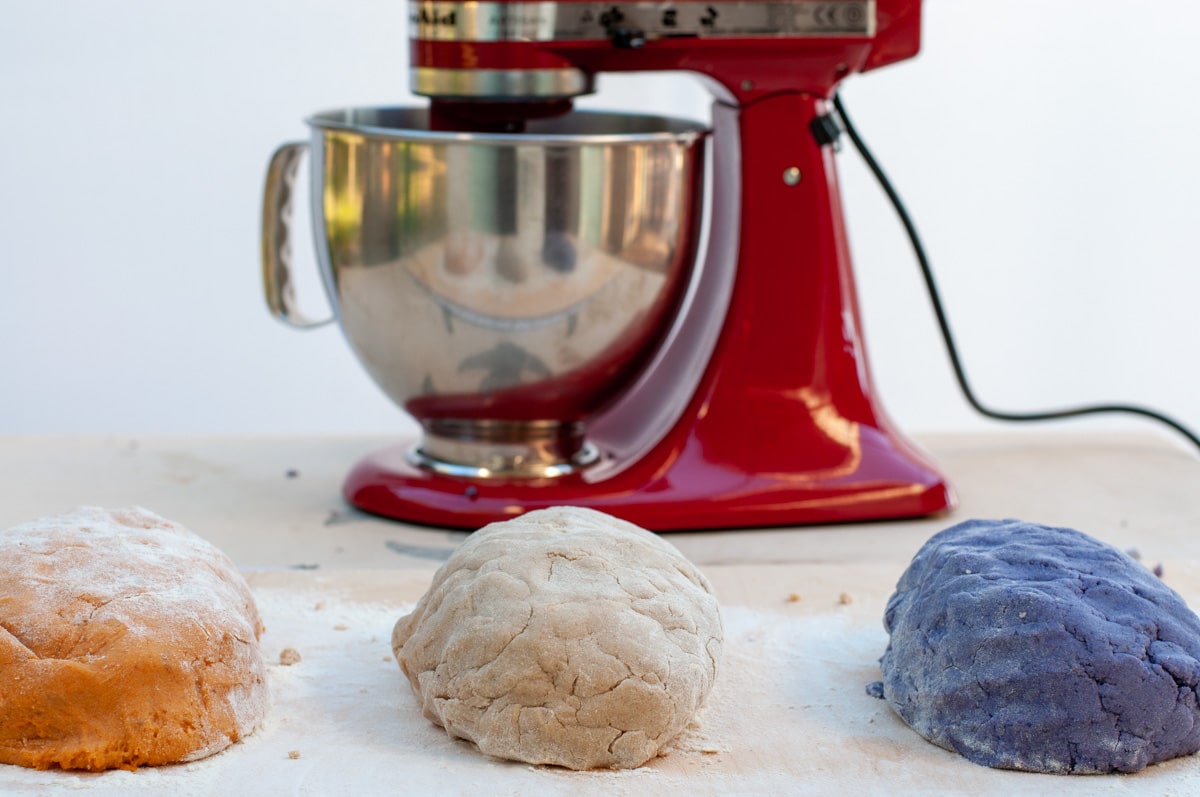
What makes it worth the money is not the machine on its own, it is the attachments.
I use four of them:
- the pasta rollers,
- the vegetable strainer,
- the meat grinder and
- the slicer and shredder
Between them they cover most of the classic Italian recipes I cook.
The machine itself
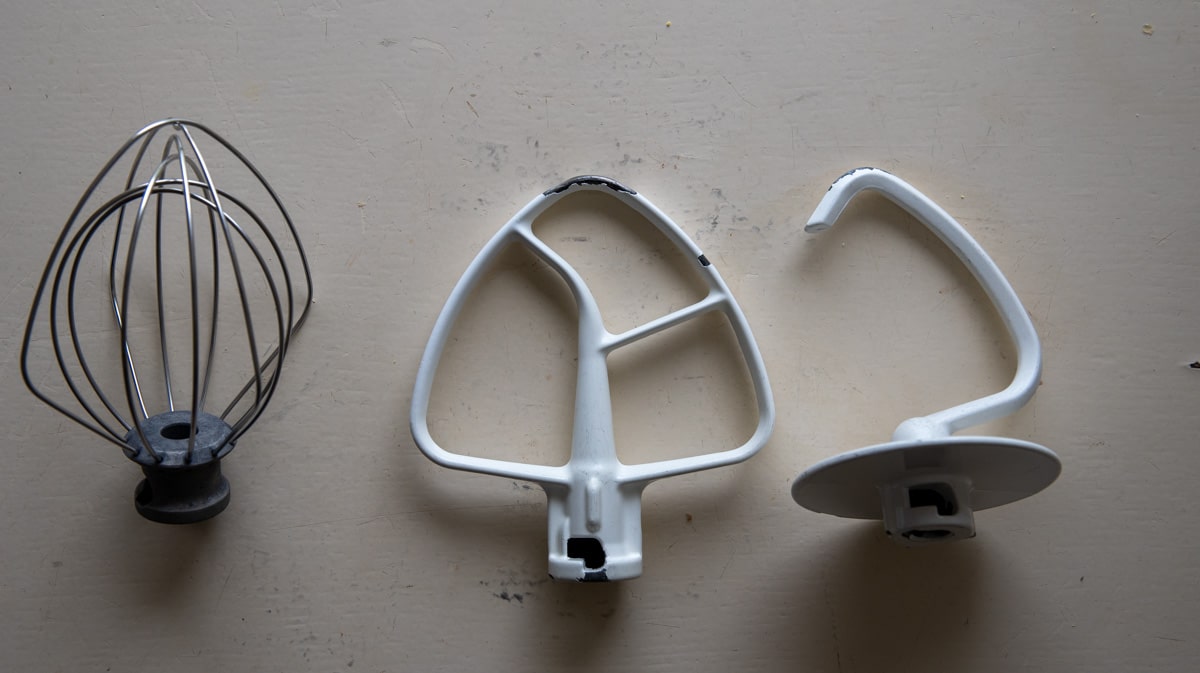
It comes with three mixers.
There is the whisk for egg whites, the beater for cake dough, and the hook for bread or pasta dough.
The motor is very strong, which is what matters when you use a machine as often as I do, and it is the reason I prefer it to a food processor for everything below.
The pasta rollers
I make fresh homemade pasta often.
I use the hook to make the dough, then the roller attachments to shape it.
You start with the flat roller set wide, to work the dough and make it smooth and elastic, then you tighten the setting gradually so the rollers get closer and the sheet gets thinner with each pass.
When you reach the thickness you want you decide the shape.
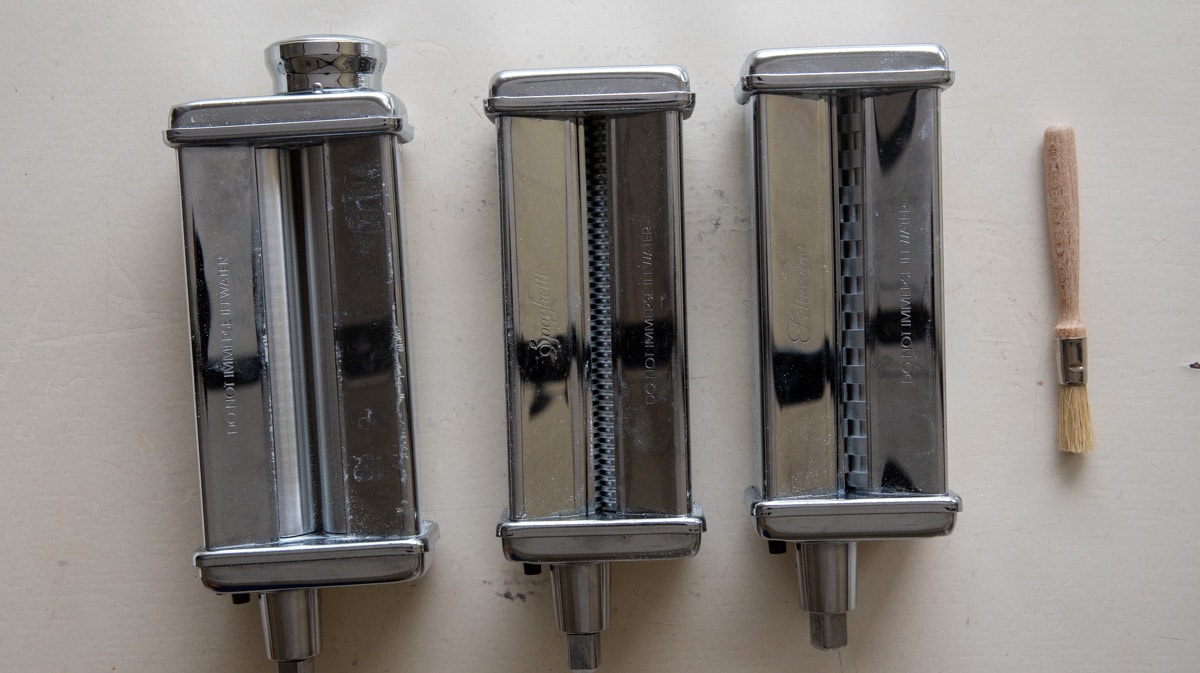
You either leave it as a flat sheet and you have your lasagna, or you pass it through the tagliatelle, spaghetti or pappardelle cutters.
All three attachments matter, the flat roller to build the dough and the cutters to give it its final shape.

One thing to know before you buy them: never wash these with water.
The rollers are steel, they will rust, and then you have to throw them away.
After each use I brush off the flour with a dry brush, and when they need a deeper clean I run a small piece of dough through first to pick everything up, then I throw that dough away.
They attach directly to the machine and connect to the motor.
The KitchenAid costs more than a hand machine, and it is solid, it handles large quantities without effort and it is a real investment if you make pasta regularly.
The vegetable strainer and the meat grinder
These are the two attachments nobody talks about.
I make gnocchi from scratch and every September I preserve my own tomato sauce, and this attachment changed both.
I do not have to peel anything, not the potatoes and not the tomatoes.
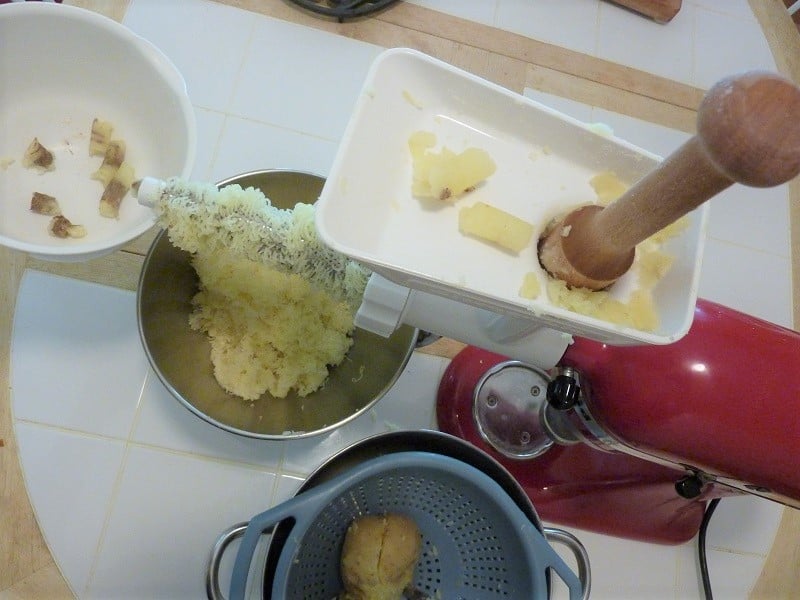
I feed them in whole and it removes the skin as it strains.
With the gnocchi it makes a real difference.
The potatoes have to be worked while they are still hot, because if they cool down they become waxy and impossible to mash, so with a hand strainer you are burning your fingers trying to peel them in time.
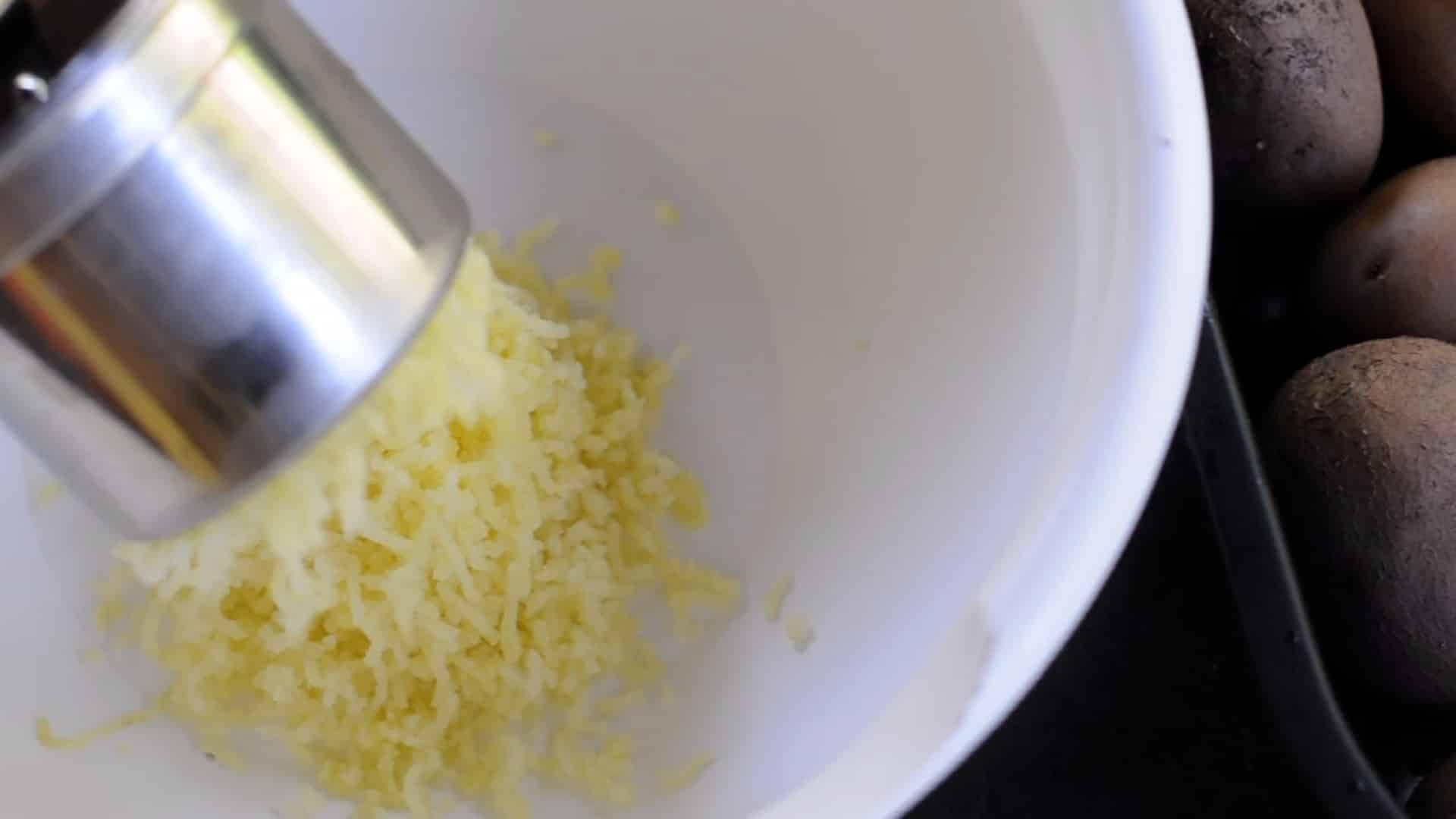
With this I skip that entirely, warm potatoes with the skin on, straight in.
Sweet potatoes, squash and chestnuts go through it the same way, and the chestnut purée comes out with no fibres and no skins.
The potatoes for a gattò di patate come out ready to work.
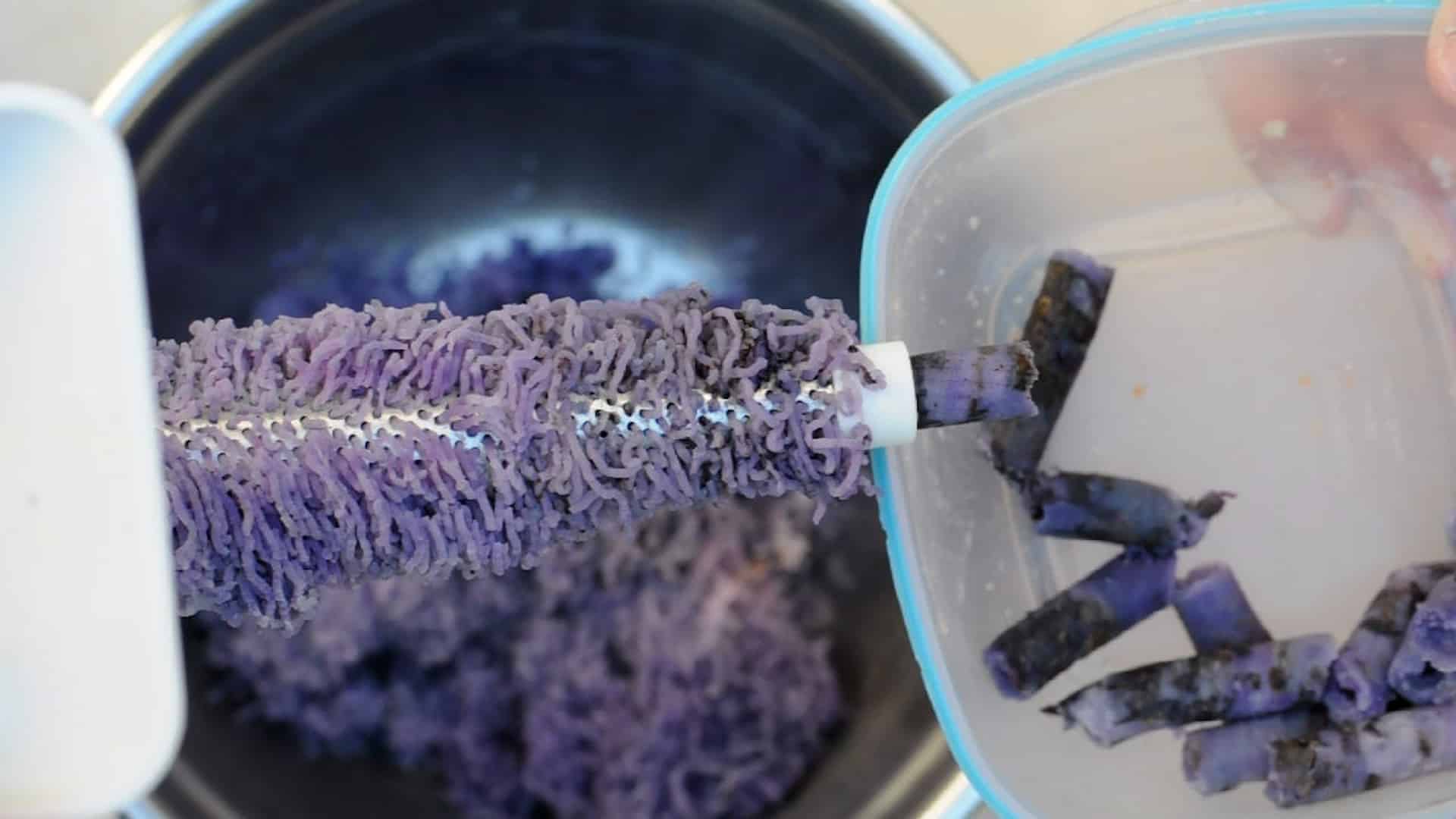
Fruit gives me a clean juice, no skins and no seeds, which is exactly what a fruit gelato needs, and the peppers for my red pepper jelly go through it too.
When something is very juicy, tomatoes above all, the shield that comes with it stops the splatter.
This one attachment replaced two tools I would otherwise have to own and store, a mouli-légumes and a potato ricer.
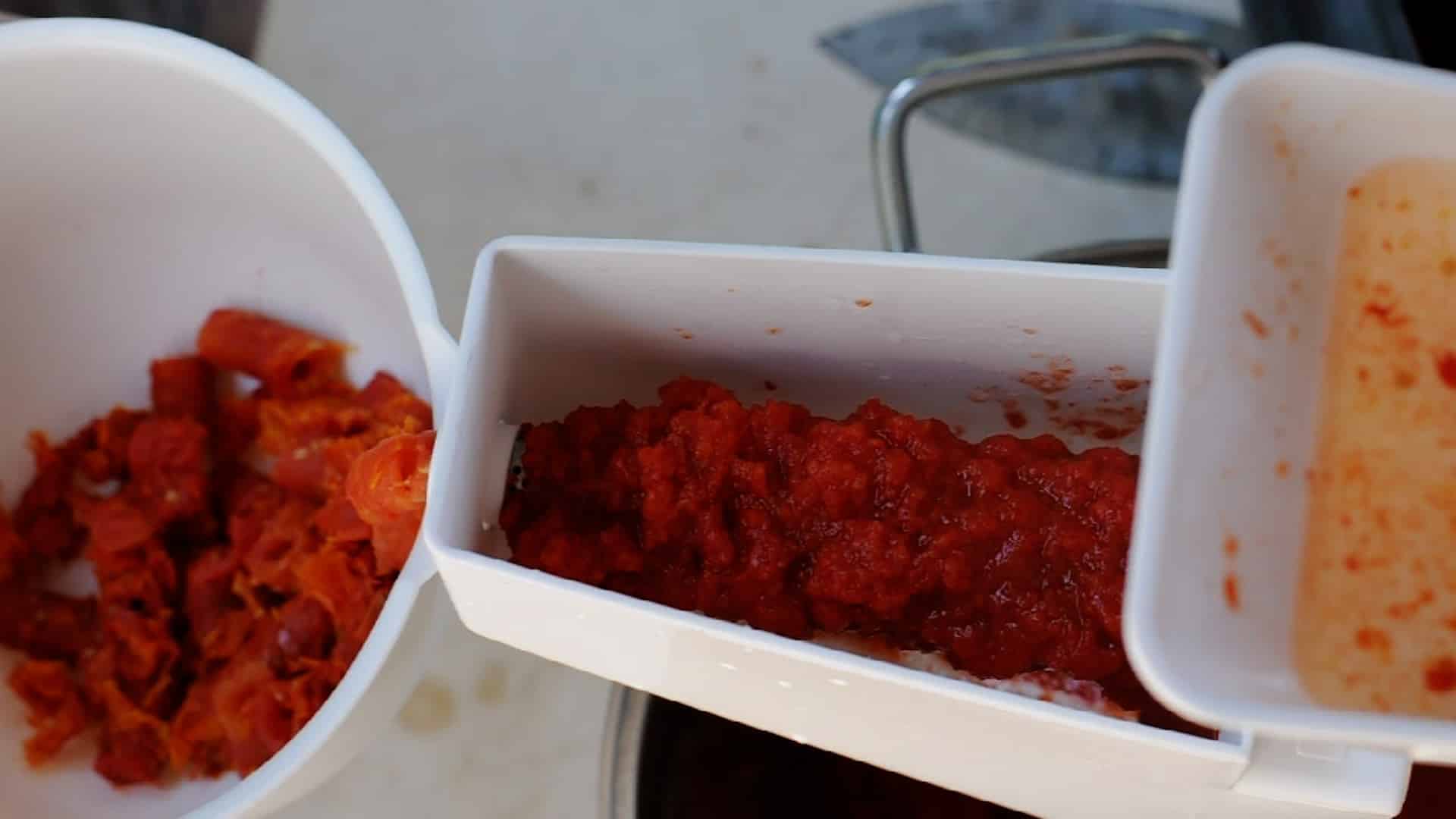
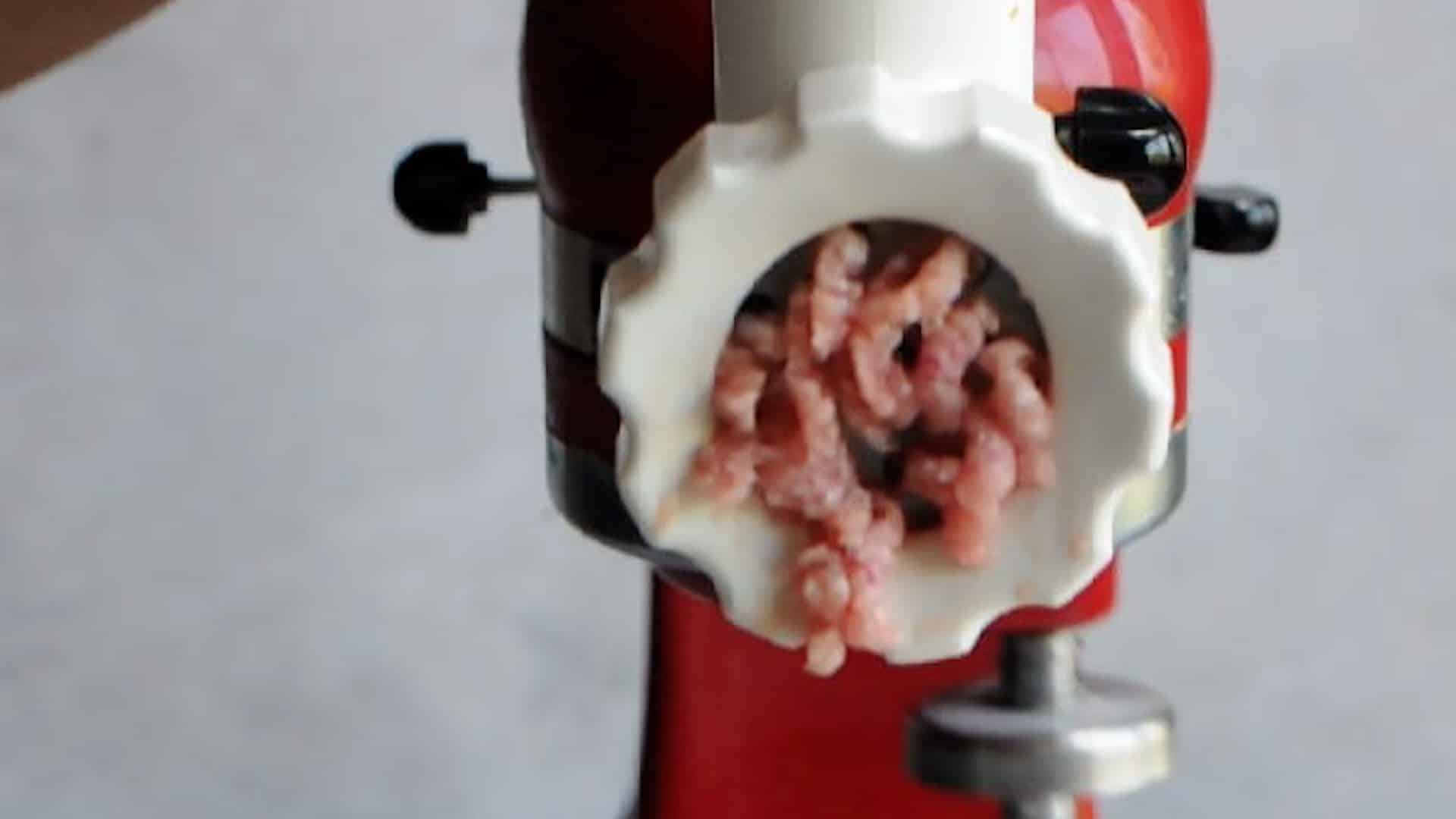
The meat grinder I use less often, but when I need it, for homemade sausage or for stuffed olives where the meat is cooked first and then ground, nothing else comes close.
A blender shreds meat into strings, and this keeps it chunky, the way it comes from a good butcher.
The slicer and shredder
I use this attachment to grate Parmesan and to make my breadcrumbs, and I prefer it to a food processor because the motor is much stronger than other appliances.
Mine is the old model.
The pusher broke and I could not find a replacement, because by then KitchenAid had brought out a new one with a completely different shape, so I had to buy the new model.
DO NOT BUY IT!
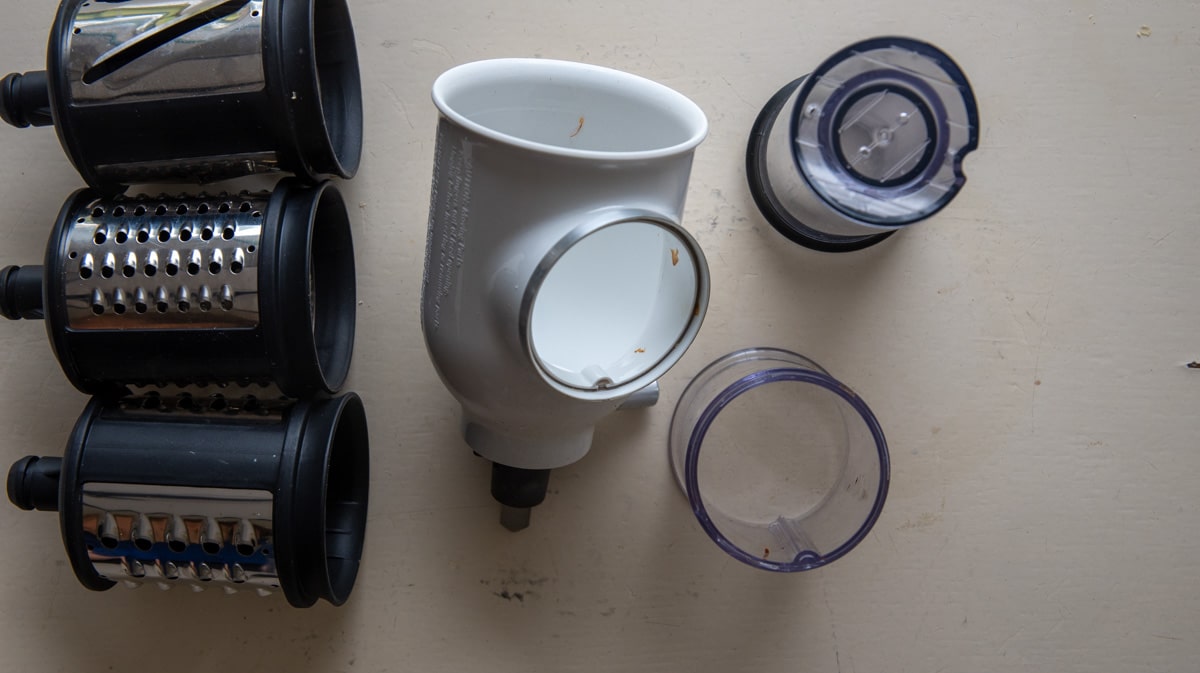
I would not buy that one.
Its housing is attached by a tiny pin that breaks from simply slicing vegetables, and they sent me a replacement twice for free and it kept breaking.
I went back to my old shredder casing, and I use a stale baguette as the pusher.
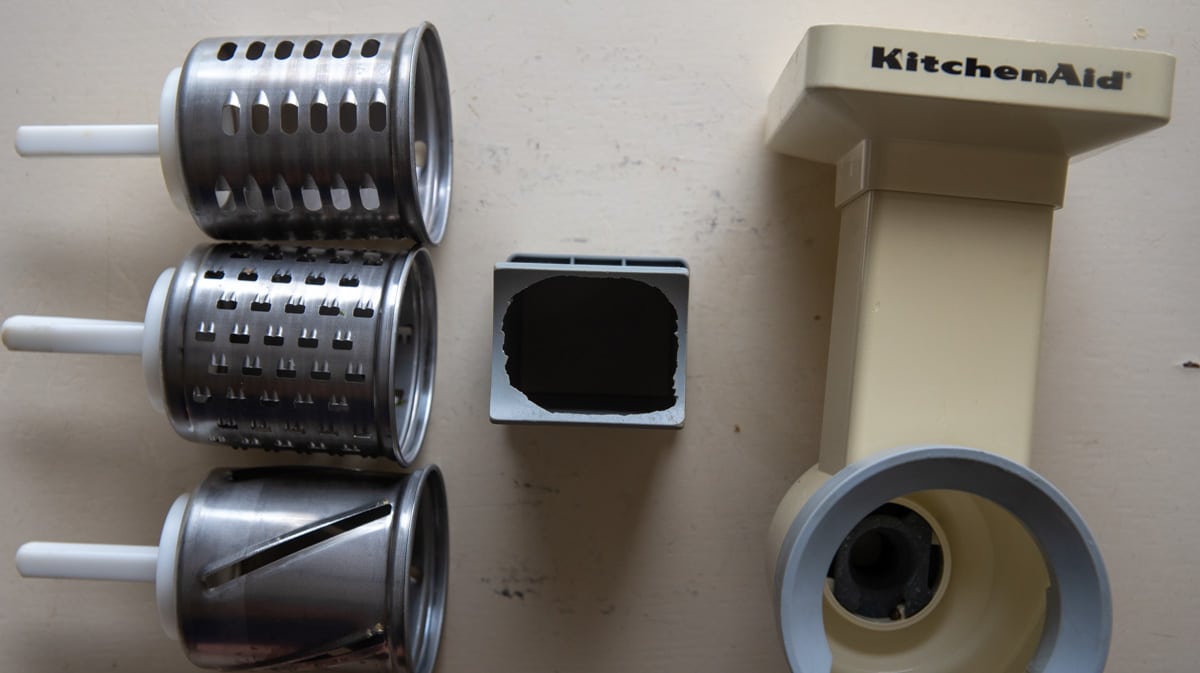
For the Parmesan I buy a large slice, which costs a fraction of the price of the grated one, and I remove the crust and keep it for soups and stocks.
I cut the rest into chunks that fit the housing and shred it straight into a freezer bag.
Grated Parmesan freezes without solidifying, so I defrost only the amount I need.
For the breadcrumbs I put the peeled garlic and the herb leaves into the housing first, then I cut soft white bread into sticks and push the herbs through with them, so the flavour goes through the whole batch.
I also use the slicer for the soffritto, the carrot, onion and celery base that starts so many Italian dishes, because it cuts them evenly and it takes no time at all.
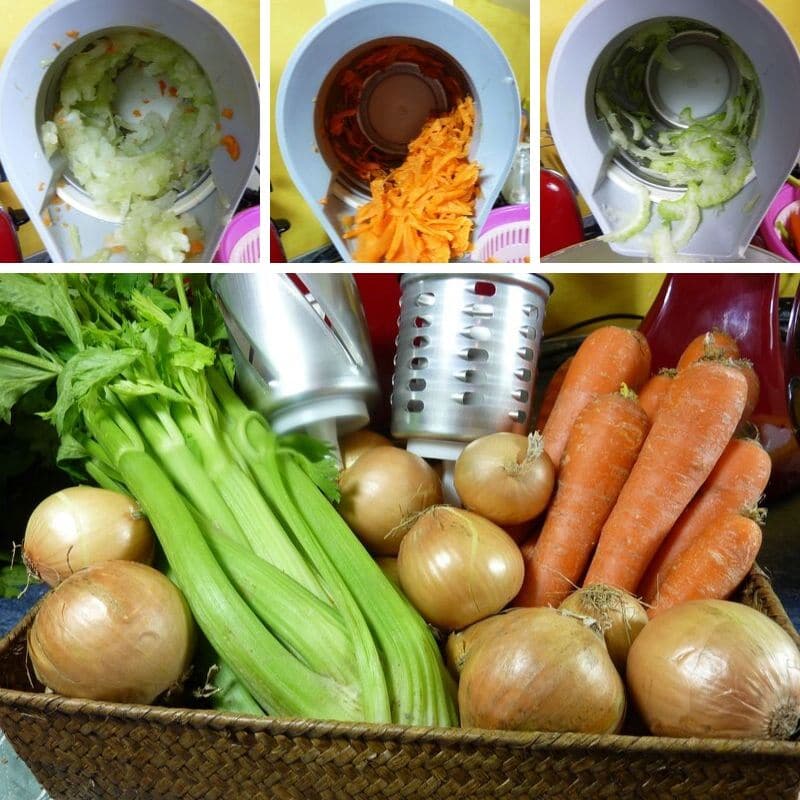
What I make with it
These are the recipes each attachment is for.
- Fresh pasta dough, rolled into lasagna sheets, tagliatelle or pappardelle, from the rollers
- Potato gnocchi, from the strainer
- Gattò di patate, from the strainer
- Preserved tomato sauce in September, from the strainer
- Chestnut paste, squash and sweet potato, from the strainer
- Fruit juice with no skins and no seeds, for a fruit gelato, from the strainer
- Red pepper jelly, from the strainer
- Fried stuffed olives, and homemade sausage, from the grinder
- Soffritto, the carrot, onion and celery base, from the slicer
- Grated Parmesan for the freezer and Italian breadcrumbs, from the shredder
The rest of my kitchen
The KitchenAid is one of the appliances I cook with every week, and it is not the only one. Everything else I use, and the few things I refuse to own, are in How To Equip Your Kitchen If You Love To Cook Italian.

Leave a Reply