
Our kitchen in Rome was large, as we were a family of six, and my mother loved cooking, so it was equipped with the essential Italian cooking appliances, the mixer, the pasta machine, the pressure cooker and the gelato maker. She was also taking amateur culinary classes at the Cordon Bleu in Rome, and she was always bringing back all sorts of gadgets.
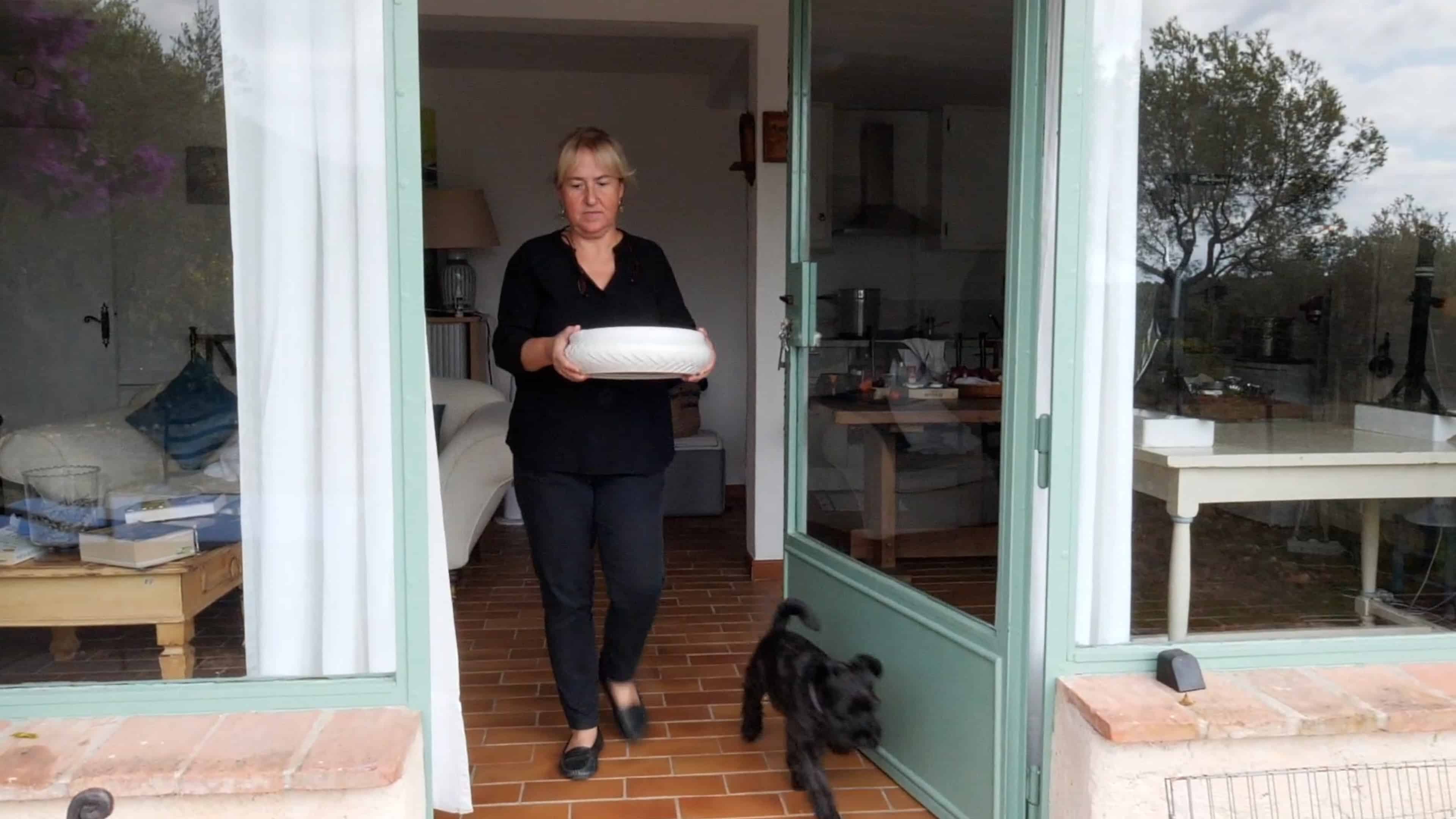
When I moved to Milan I brought with me only the essentials, the Talismano della Felicità cookbook, a pressure cooker and my mother's moka Bialetti.
After Milan I kept moving from country to country, Norway, the UK, the USA, France, and with time I expanded my kitchen appliances, bringing with me only what I really needed.
After many years my kitchen is now well equipped, with what I believe are the essentials to cook Italian, plus a few luxuries I feel I deserve.
This post is Part 5 of a 5-article series: Organize your kitchen and eat healthily.
- Part 1: A Family Meal Planner Based On Fresh Vegetables
- Part 2: 77 Traditional Italian Ingredients And Best Brands
- Part 3: Once a Month Freezer Meal Prep To Save Time
- Part 4: A Zero Waste Kitchen Is Our Goal
Where to start
If you are equipping a kitchen from nothing, you do not need everything on this page. This is how I would buy it, in order.
What you cannot cook Italian without
- Knives
- A frying pan and a saucepan
- A pasta pan with an insert, so the starchy water stays where it is
- A rolling pin
- Wooden spoons and spatulas with a handle that sits well in your hand
- Cutting boards, ideally one colour per ingredient
- A moka pot Bialetti
- A salad spinner and a vegetable brush
- A flat meat tenderizer
- A cast iron cocotte for stews
- A kitchen scale
- A peeler, a box grater and a colander
- A zester grater
What you buy when you cook Italian often
- The KitchenAid, and with it the pasta rollers and the vegetable strainer
- A bench scraper
- A Minipimer hand blender
- A kitchen thermometer
- A pizza stone
- A bread machine
- A pressure cooker
What you buy because you want it
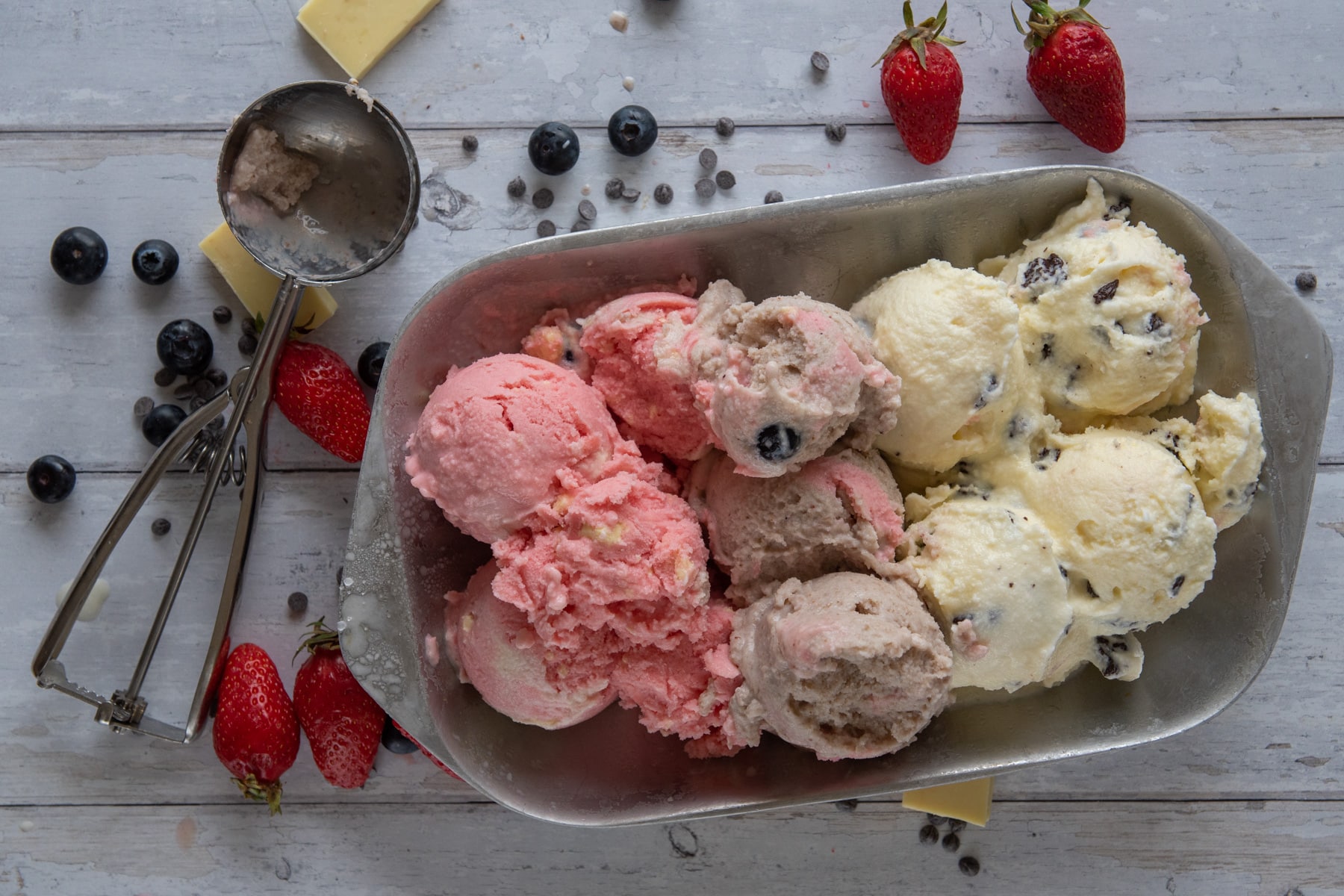
- A gelato machine
- A deep fryer
- The soapstone pot
- Nambé serving bowls
- A tortilla press
- Cannoli tubes
- An indoor herb garden
Where it is worth spending
- The KitchenAid, the pressure cooker and the gelato machine are the expensive ones, and they are the ones I would buy well, because a weak motor or a thin base will disappoint you every time you use it
- The thermometer is worth paying for, because one that reads the wrong temperature is worse than not having one
- The bench scraper, the vegetable brush, the peeler and the colander cost very little and the cheap ones work
- Some of the best things in my kitchen were not bought at all. My moka is my mother's, from the 1970s, and it still makes better coffee than most machines
Everything below is in that order, and I say for each one why it earned its place in my kitchen.
Kitchen appliances
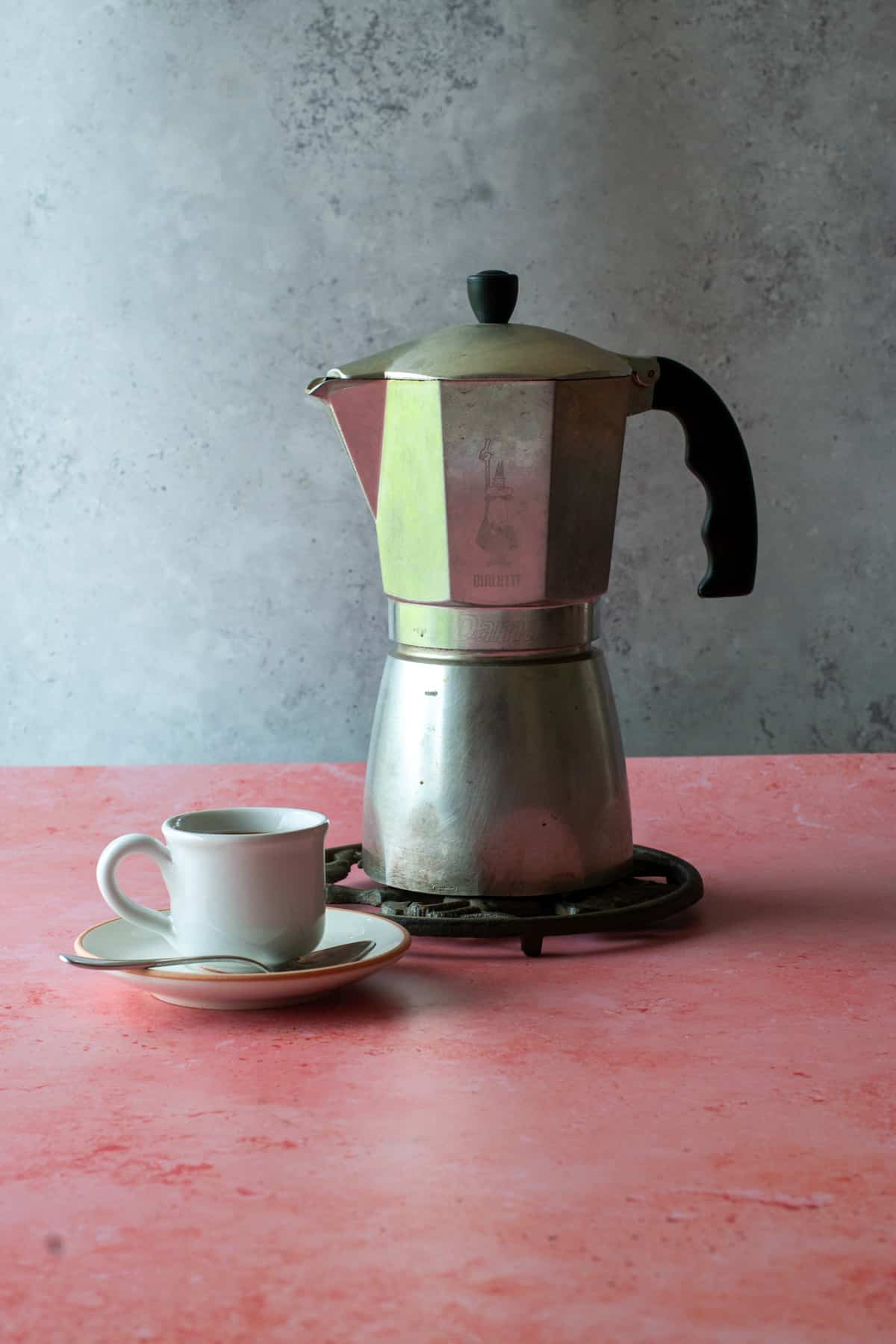
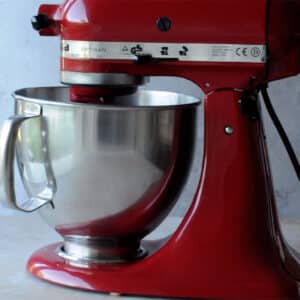
The KitchenAid
I cook a lot, so I invested in this machine, and it is one of my favourites, because it is strong and you can do a great deal with it. It comes with three mixers, the whisk for egg whites, the beater for cake dough and the hook for bread or pasta dough, and the motor is very strong, which is what matters when you use it as often as I do.
What makes it worth the money is the attachments, and I use four. The pasta rollers, for lasagna sheets, tagliatelle and pappardelle. The vegetable strainer, which takes the skin off potatoes and tomatoes as it strains, so I never peel anything for gnocchi or for the tomato sauce I preserve in September. The meat grinder, for homemade sausage and for stuffed olives. And the slicer and shredder, for Parmesan, breadcrumbs and the soffritto.
I go through all four of them in The KitchenAid Attachments I Use To Cook Italian.
The hand blender
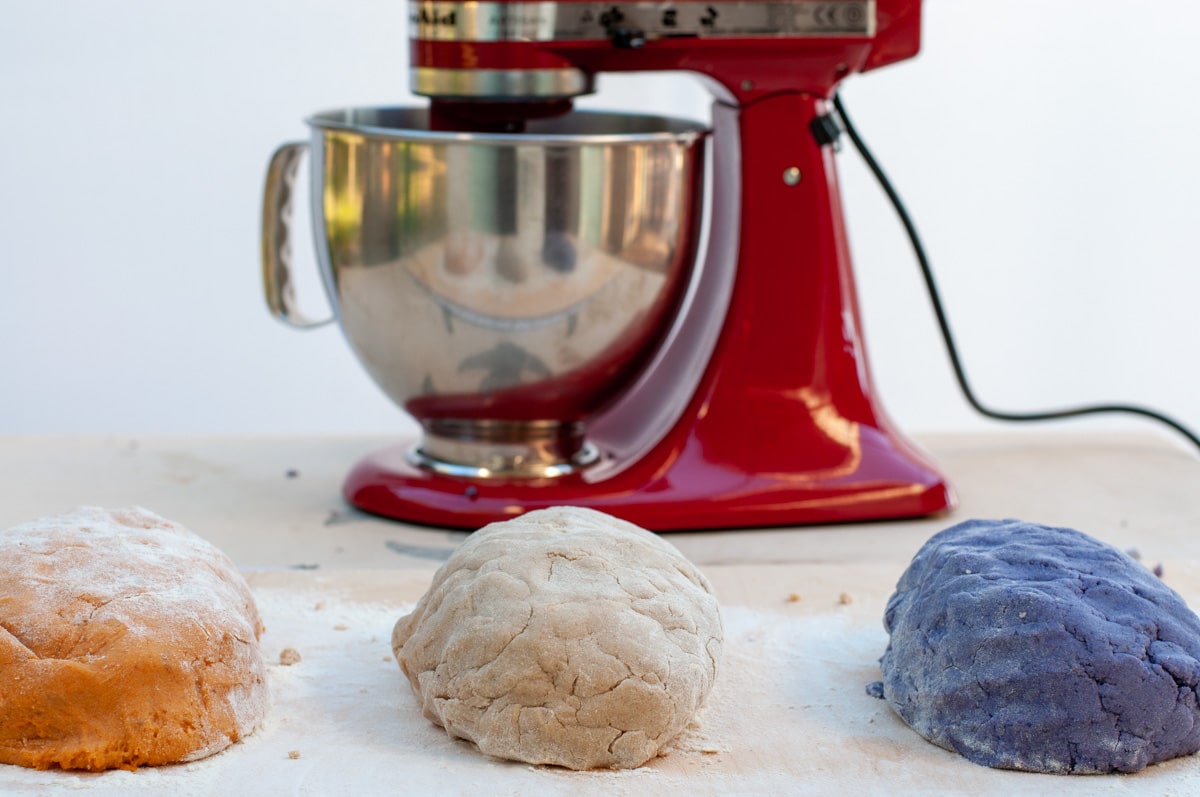
Mine is a Braun, the set with the chopper and the whisk attachments.
It works straight in the bowl or the pot I am already using, so there is nothing to assemble and very little to wash afterwards, and that is the difference between it and the KitchenAid.
I use it for pesto.
You put all the ingredients in a bowl and pulse in short bursts rather than running it continuously, because that is what keeps the basil green and stops it turning dark.
I use the chopper for mixing spices into breadcrumbs, and I use the whisk attachment directly on the stove, for the things that have to be whisked while they cook.
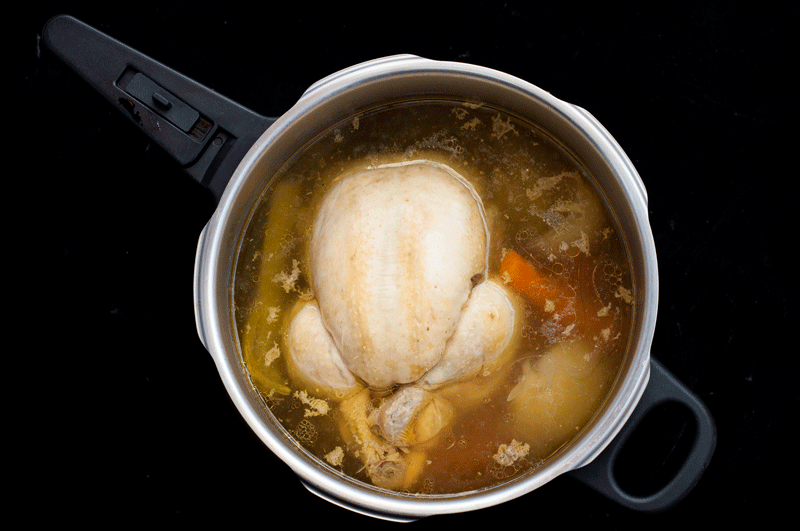
The pressure cooker
My mother always cooked with a pressure cooker, so I have never been without one.
It was in our kitchen in Rome, and when I moved to Milan it was one of the things I took with me.
Mine is a WMF Perfect and I have cooked with it for twenty-five years in six countries.
What I keep it for is the ragù and the stews, which come out in a fraction of the time. That is my reason and it may not be yours, because you can cook all of it in an ordinary pot if you have the hours to give it.
What I cook in it, the timings and the rules for using one safely are all in Pressure Cooker How To Use It.
The bread machine
I live far from the shops, and on a busy day, or a rainy one, it is faster to put flour and yeast into the machine than to go out to the nearest bakery.
Mine is a Cuisinart, and what I use it for is the dough rather than the finished loaf, because the machine regulates the temperature and the dough comes out right every time.
It does not replace a proper fresh baguette, but it is a good backup to have. Everything I make in it is in Bread Machine.
The gelato machine
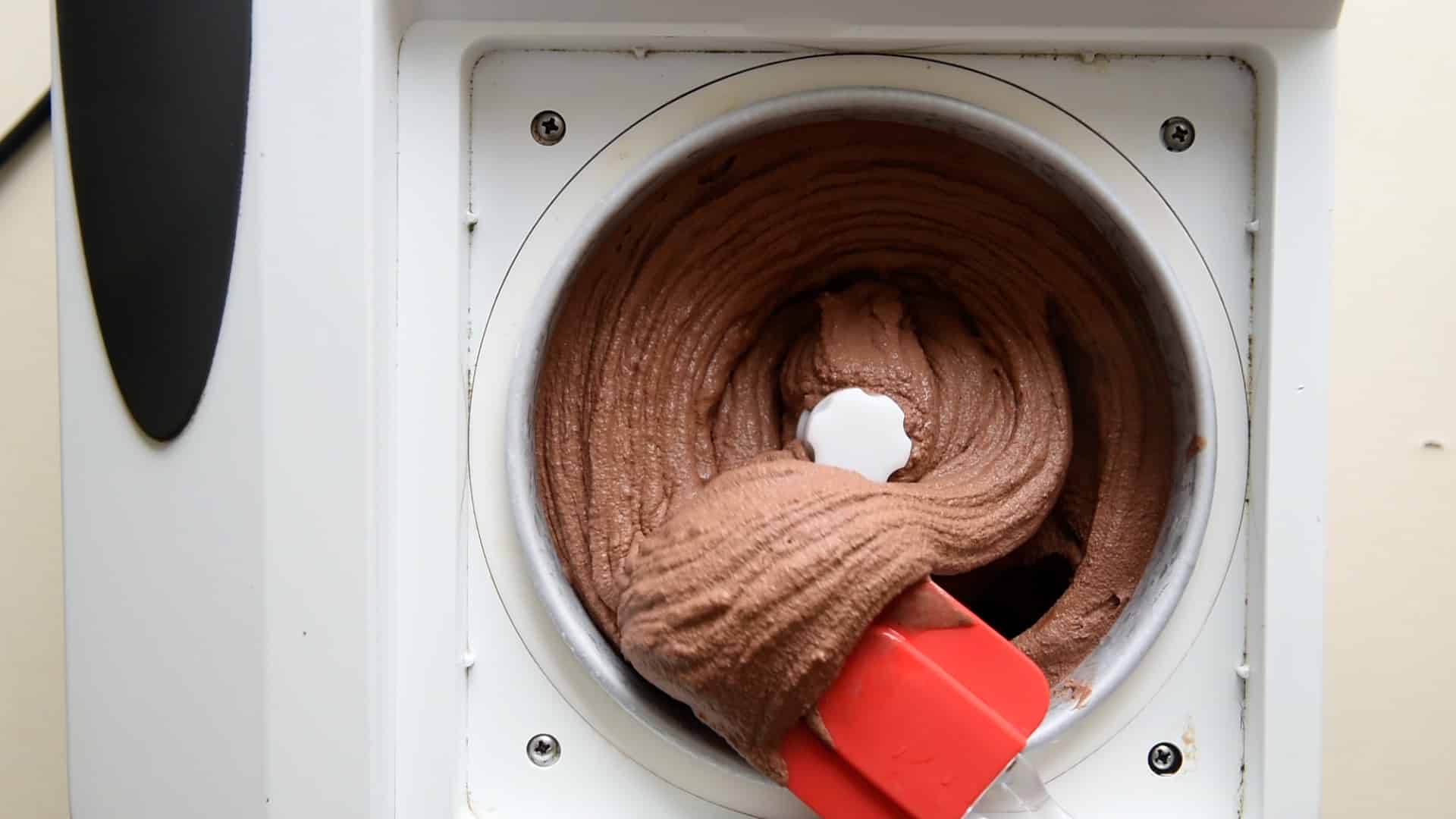
This is one of the appliances we had in the kitchen in Rome, and it is one I went back to. Mine is a Gaggia, which is an Italian brand, and it is not sold in the USA.
Magimix is a good brand.
I would stay away from the cheap machines, because they build ice up around the sides and you have to scrape it off every five minutes.
I use it for the gelato and for all the sorbet, lime, blueberry, pineapple with prosecco and uva fragola with the Concord grapes.
The deep fryer
When I fry I want the real thing, and I want to do it properly.
I use a deep fryer with a large basket, because you set the temperature and it stays constant, so the food fries at the right heat from start to finish, it does not absorb the oil and it does not go soggy.
If you entertain, it earns its place.
I can fry large quantities and serve warm food to fifteen or twenty people in one evening, and I fry outside, because I have a garden.
How I fry, and everything I fry, is in How I Fry Italian Food, And Why I Do Not Own An Air Fryer.
The Click and Grow herb garden
I cook with fresh herbs constantly, and basil and parsley are the two that never last indoors.
This is a small indoor garden that handles the watering, the light and the feeding on its own, and I keep mine in my photography studio so I always have fresh herbs while I am filming.
I wrote about it in Italian Fresh Herbs In Your Kitchen With Click And Grow.
Kitchen tools
Pots and pans
Frying pans and saucepans. These are the pans you use every day, and the ones worth having are heavy enough to spread the heat evenly rather than burning in one spot.
A frying pan, and a non-stick one that you are careful never to scratch. Saucepans in two or three sizes, with their lids.
I do not have a stockpot, because the pressure cooker does that work, and I do not need a separate steamer basket, because one comes with my pasta pan and another with the pressure cooker.
And a ridged cast iron griddle, for meat, fish and vegetables when you want the marks and the taste of a grill indoors.
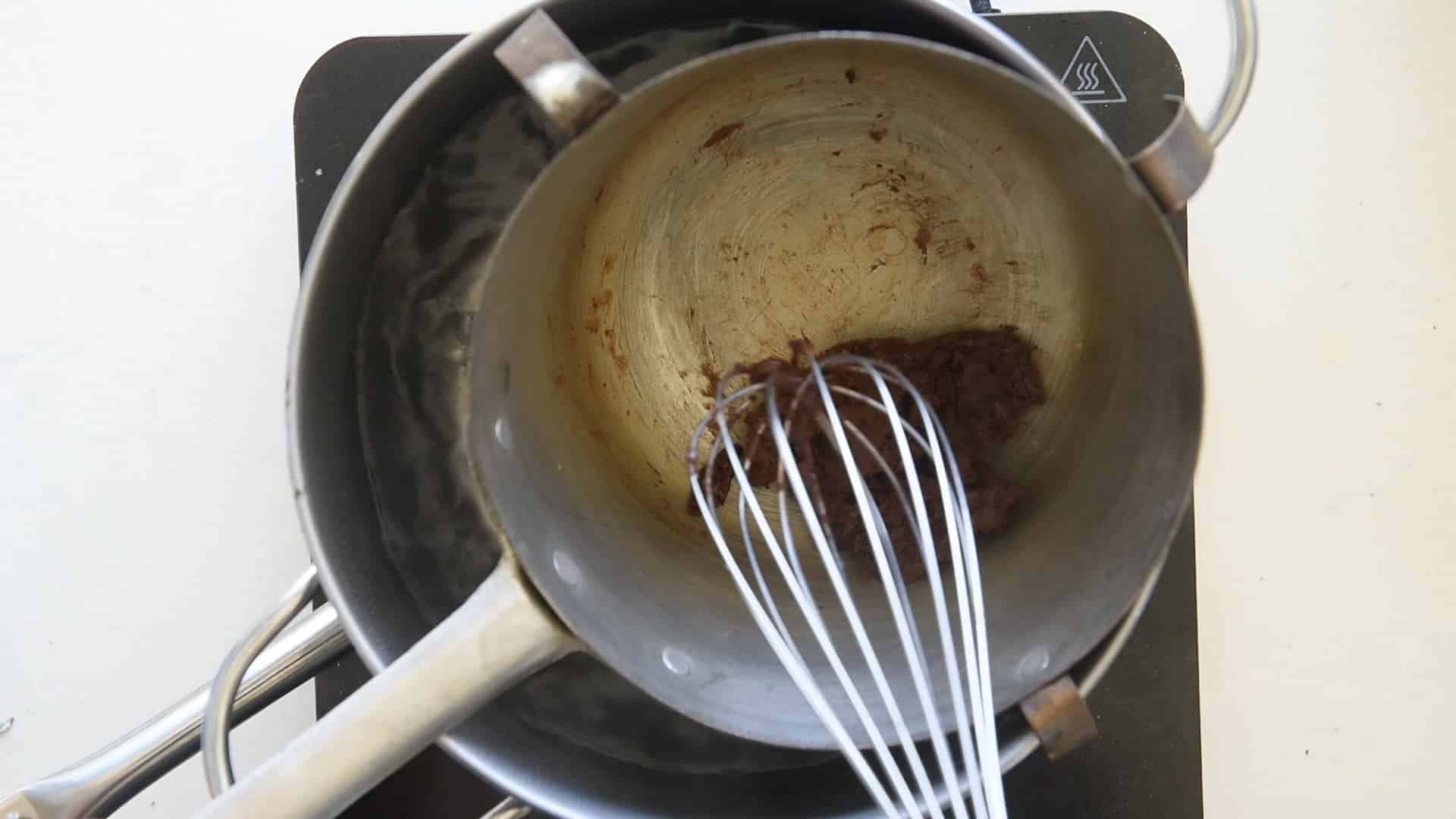
The bain marie. A small pan that sits inside a larger one, so what is in it never touches the direct heat. I use it for melting chocolate and for the delicate things that would split or catch on their own.
Ovenware. A roasting tin with a rack, so the fat runs away from the meat.
A gratin dish, wide and shallow, for anything that should come out with a crust on top.
Ramekins for the small baked puddings. And a baster, the pipe you squeeze to draw up the juices from the tin and pour them back over the meat while it roasts.
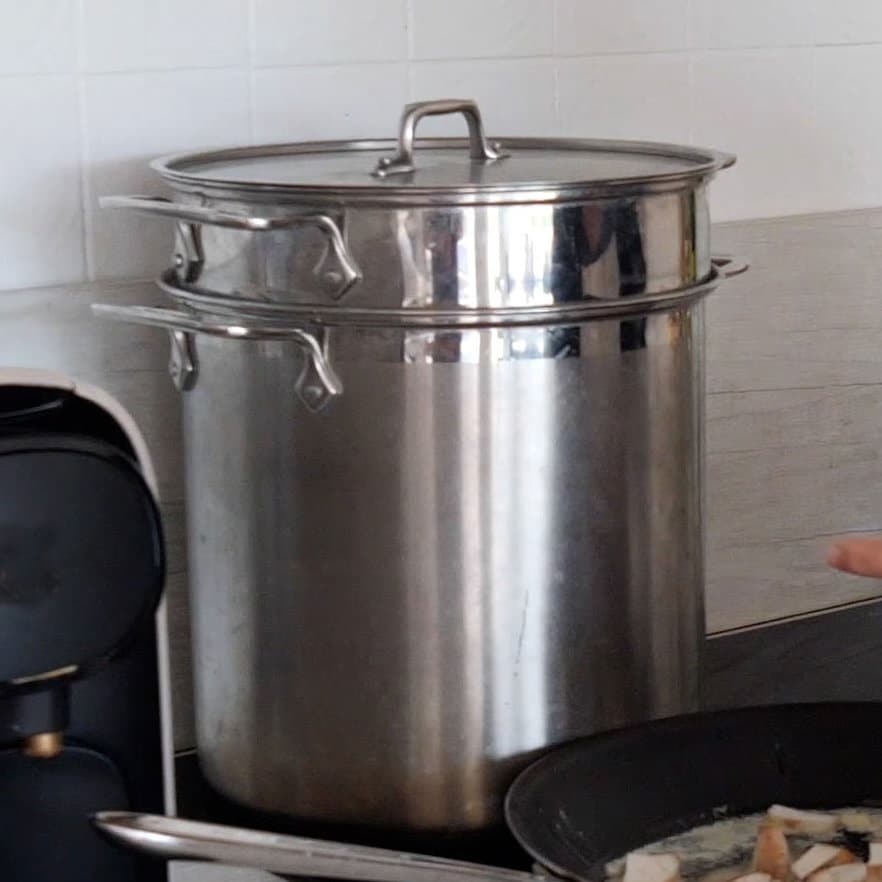
The pasta pan. Pasta is part of my daily life, and this pan changed the way I cook it.
The pasta goes straight in with the water, and when it is done I lift the insert out. T
here is no colander, no searching the drawer, no drained water all over the counter.
Here is the part that makes it useful if you cook Italian.
We always add the starchy pasta water to the sauce, because it is what makes a sauce creamy without a drop of cream.
With a regular pot you have to remember to set some aside before you drain, and it is the easiest thing in the world to forget.
With this pan the water stays where it is, and you use as much as you need when you need it.
It also comes with a steamer basket that sits on top while the pasta cooks, so vegetables or potatoes steam at the same time, one pot and one hob.
If you do not need the basket it comes out and the pan works as a standard pot.
It holds a large amount of pasta, it is heavy and solid so it cooks evenly, and it is very easy to clean.
Mine looks exactly as it did when I bought it. It comes in different sizes, and I have a large one for when the family comes over, sometimes fifteen or twenty people, and it handles it without any stress.
The moka pot. Every Italian home has one, and it is how coffee is made in Italy, on the hob, with no machine and without spending a fortune.
Mine is a Bialetti in aluminium from the 1970s and it was my mother's.
I took it with me when I left home and I still use it, because these are pots you hand down rather than replace.
The one rule is that you rinse it with warm water only and never use soap, and I go through the whole method in How To Make The Ultimate Moka Pot Espresso.
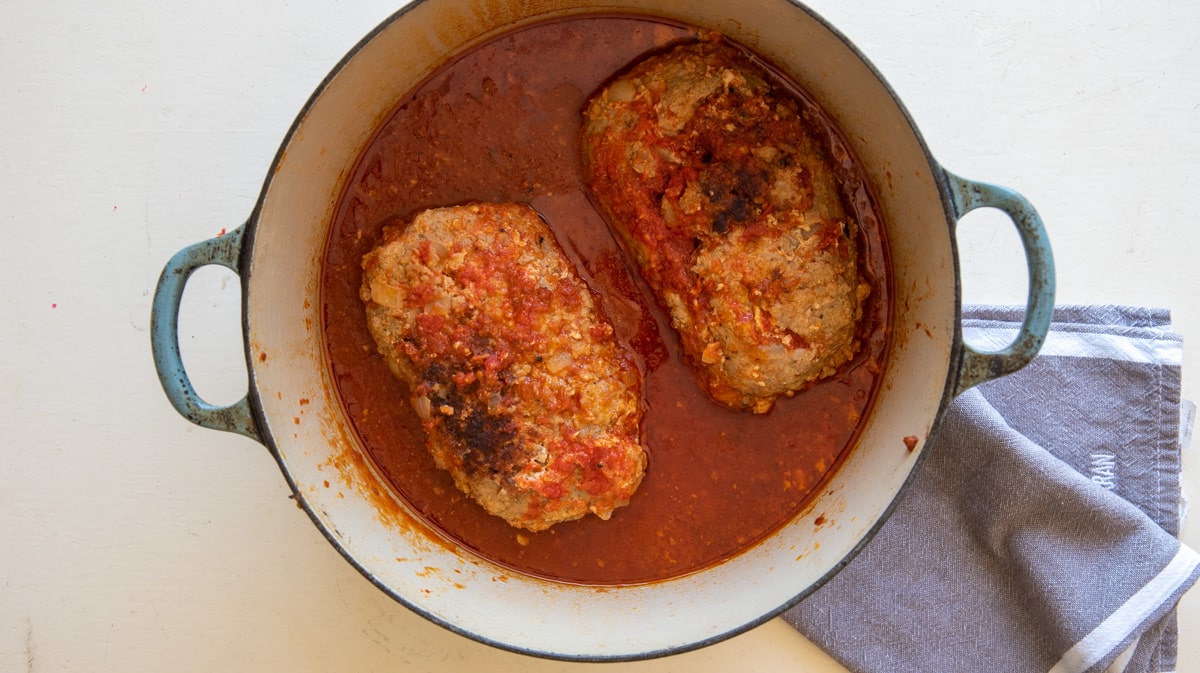
The cast iron cocotte. This is the pot I cook my stews in.
Cooking tools
Wooden spoons and spatulas. What matters with these is the handle.
It has to be ergonomic and sit properly in your hand, so you have a good grip and you do not get cramps, and where you notice the difference is making polenta or risotto, because those you stir for a long time without stopping.
These are the mixing and stirring tools you usually find in a kitchen, and the same rule applies to every one of them, a handle you can hold comfortably.
- A wooden spoon for stirring, and a flat ended one for scraping the bottom of the pan
- A silicone spatula for folding, and for emptying a bowl completely
- A slotted spoon for lifting food out of the liquid it cooked in
- A ladle for soups, stocks and sauces
- A skimmer for taking the foam off a stock
- A balloon whisk for eggs and creams, and a flat whisk for a sauce in a pan
- Tongs for turning and for serving
- A pasta server with teeth, for lifting long pasta
- A potato masher
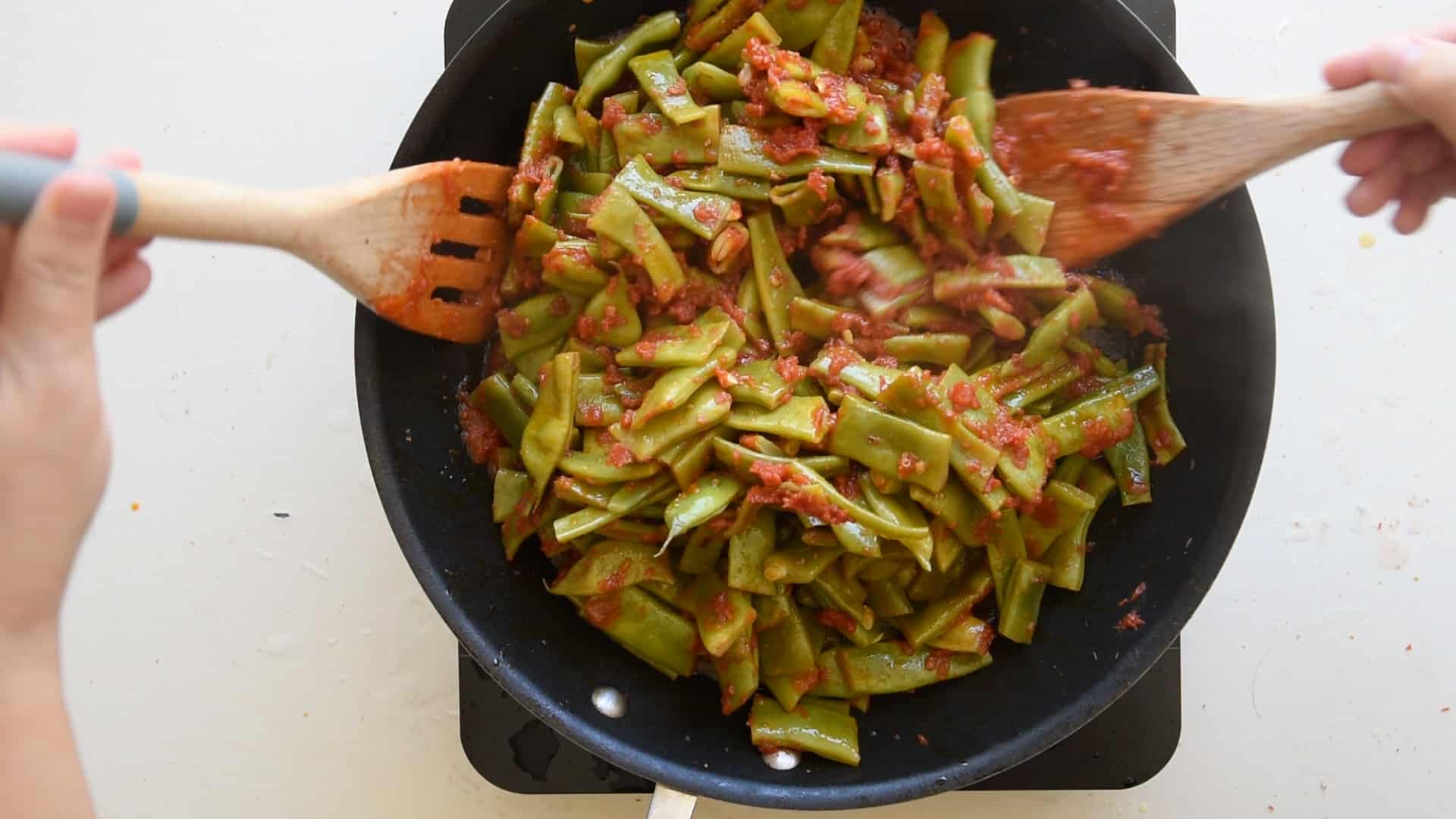
The liqueur tools. I make my own liqueurs, and that needs a small set of equipment of its own, the large canning jars for infusing the fruit or the herbs, a funnel with a wide short stem that does not clog, a fine mesh strainer and the bottles, and I have listed all of it in Setting Up A Liqueur Workshop.
Pasta and dough
The tortilla press. I bought it thinking it would be useful for many things, and it is. I use it to make the shells for homemade Sicilian cannoli, and it works perfectly for piadina, the Italian flatbread.
Any recipe where you need flat dough, this press does the job quickly and evenly.
One thing to check before you start, if your dough is too sticky it might not work, so make sure the consistency is right.

The bench scraper. If you bake or work with dough and you do not have one, you are making your life harder than it needs to be.
I invested in this tool because it keeps my hands clean when I am mixing and cutting dough.
The blade cuts cleanly through any dough, gnocchi, bread or brioche, and the measurement cups along the side let you check that your pieces are roughly the same size, so when I roll and cut my gnocchi I can compare them right there on the scraper.
I cut, portion and move the dough in one motion, with no scraping with my hands and no mess on the board.
There is also a hole at the top and I have no idea what it is for.
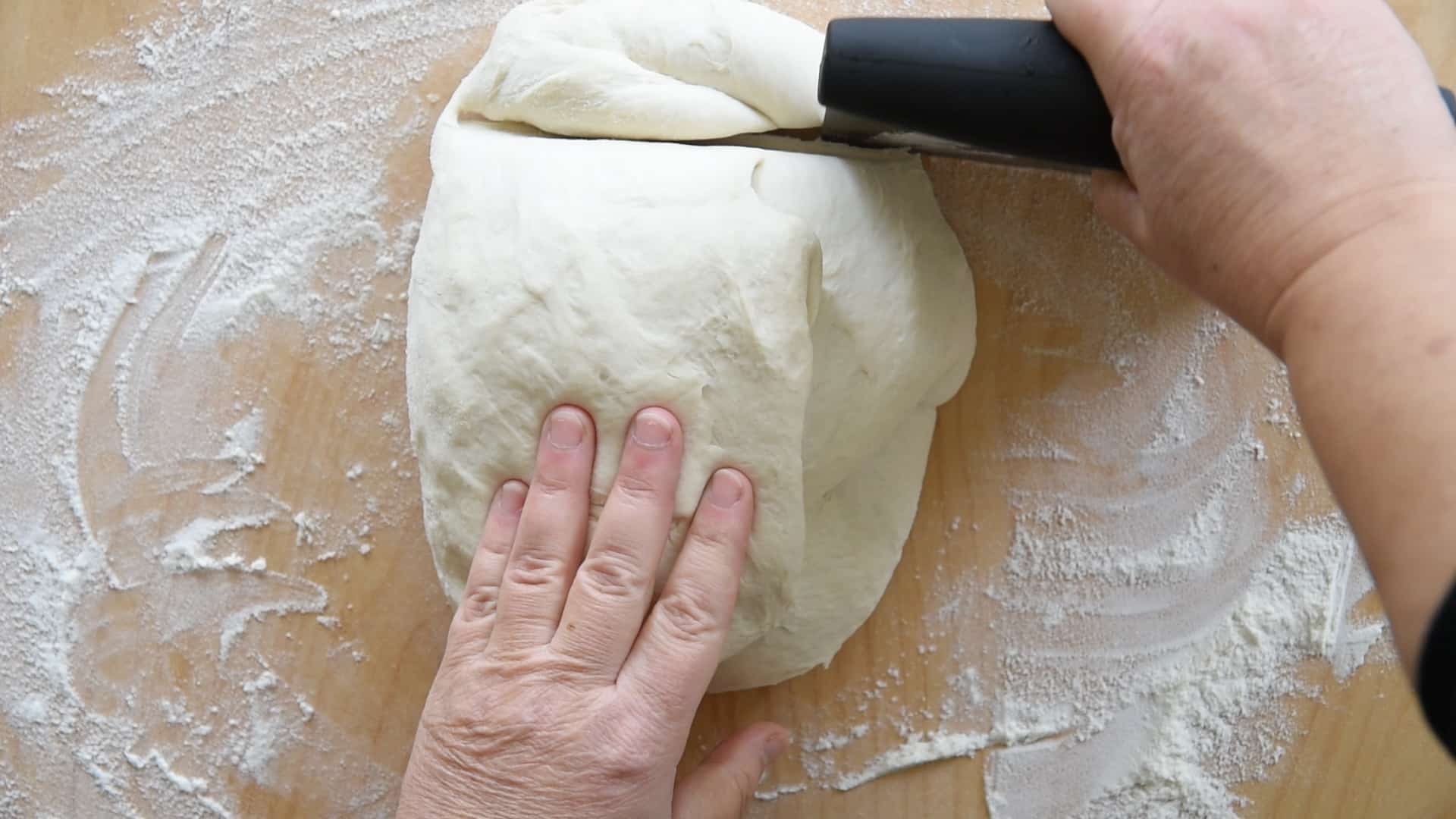
The cannoli tubes. These are the metal forms you wrap the dough around to fry the shells for Sicilian cannoli. They come in two sizes, mini at about six and a half centimetres and regular at about eleven, and I prefer the mini ones, because they are easier to make and to serve and the shells hold together better.
You oil the tube first, then you lay it in the centre of a round of dough, fold one side over, brush the edge with egg yolk, fold the other side and press the two ends to seal.
Once the shell is fried you hold the tube with kitchen paper and slide the shell off gently, and you let the tubes cool down before you wrap the next batch.
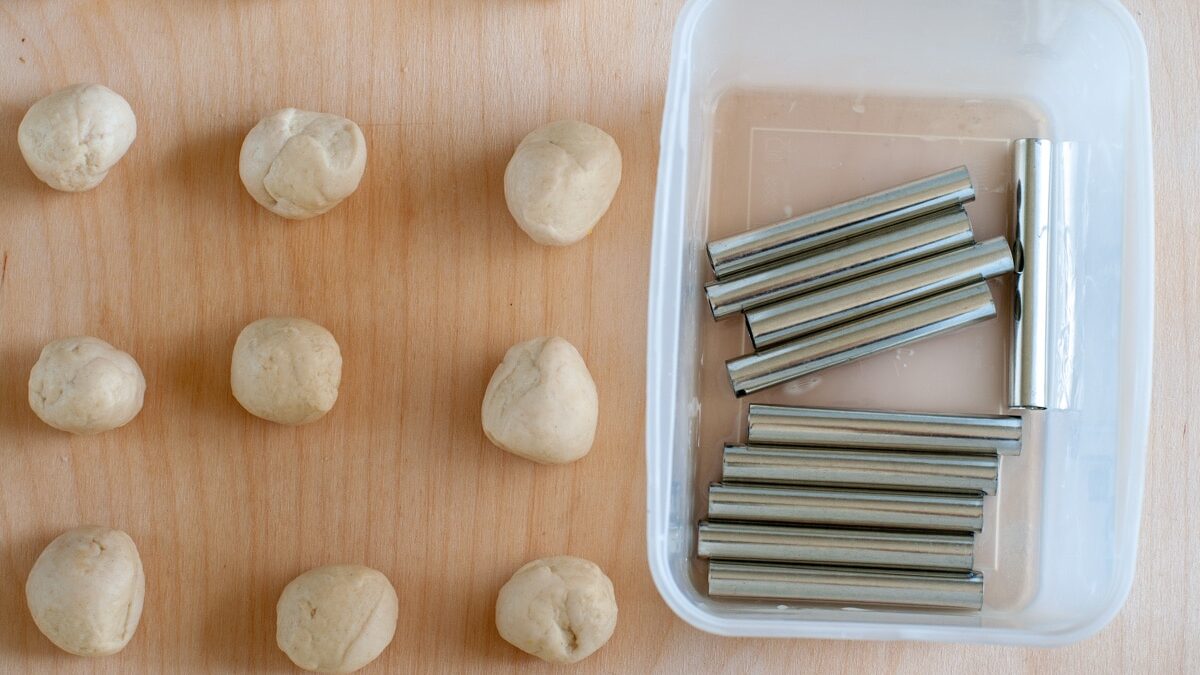
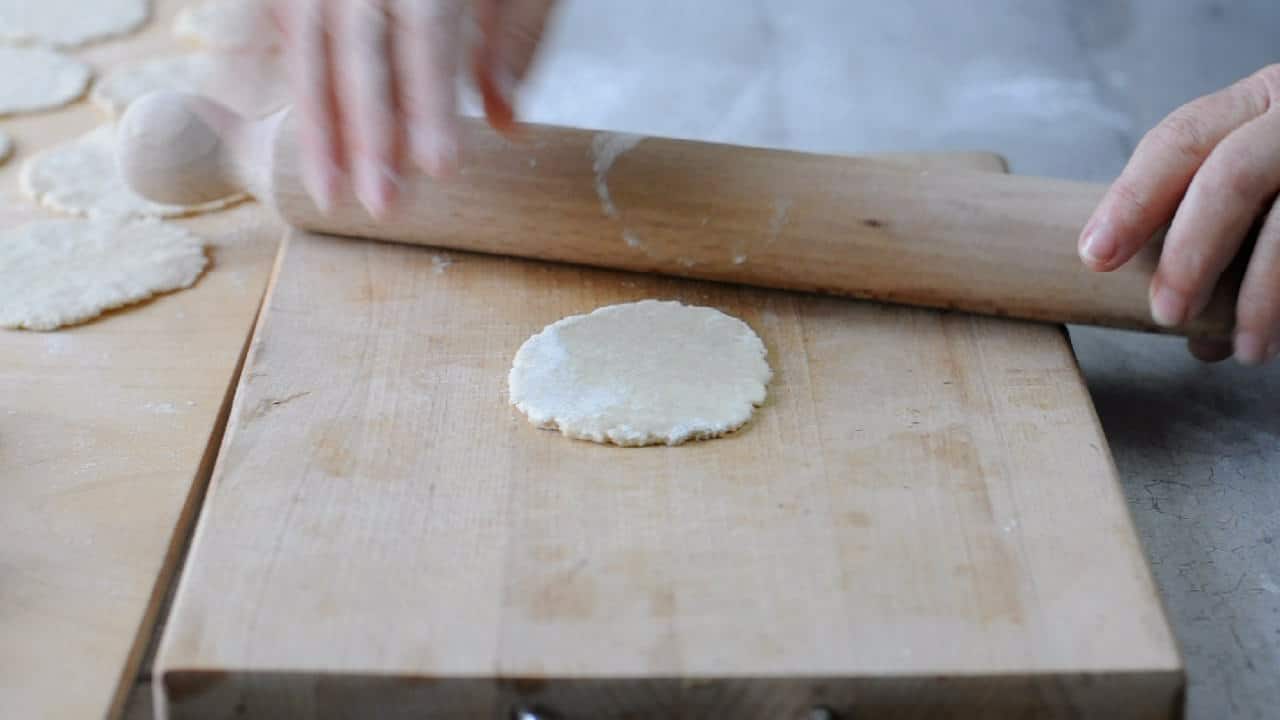
The rolling pin. I have both kinds, the long Italian one with no handles and the one with handles, and it is an essential tool for rolling your pasta.
My mother had a plastic one that you could fill with iced water to keep the pastry cold while you rolled it.
It is excellent if you are making a dough with butter, a millefeuille or a shortcrust, but it is definitely not essential.
You just need to put the dough back in the fridge for twenty minutes before you bake it.
Prep
Knives. I have several sets, and these are the ones that actually do the work.
- A chef's knife, the long blade with a curved edge that you rock to chop.
- A small paring knife, which is the one I pick up most often, for fruit, vegetables and cheese.
- A serrated knife for bread and cakes.
- A boning knife, with a rigid curved blade, for meat and poultry, and a filleting knife, with a flexible one, for fish.
- A carving knife and fork for a roast.
Keep them sharp with a steel, and keep them in a block rather than loose in a drawer, because that is what blunts them.
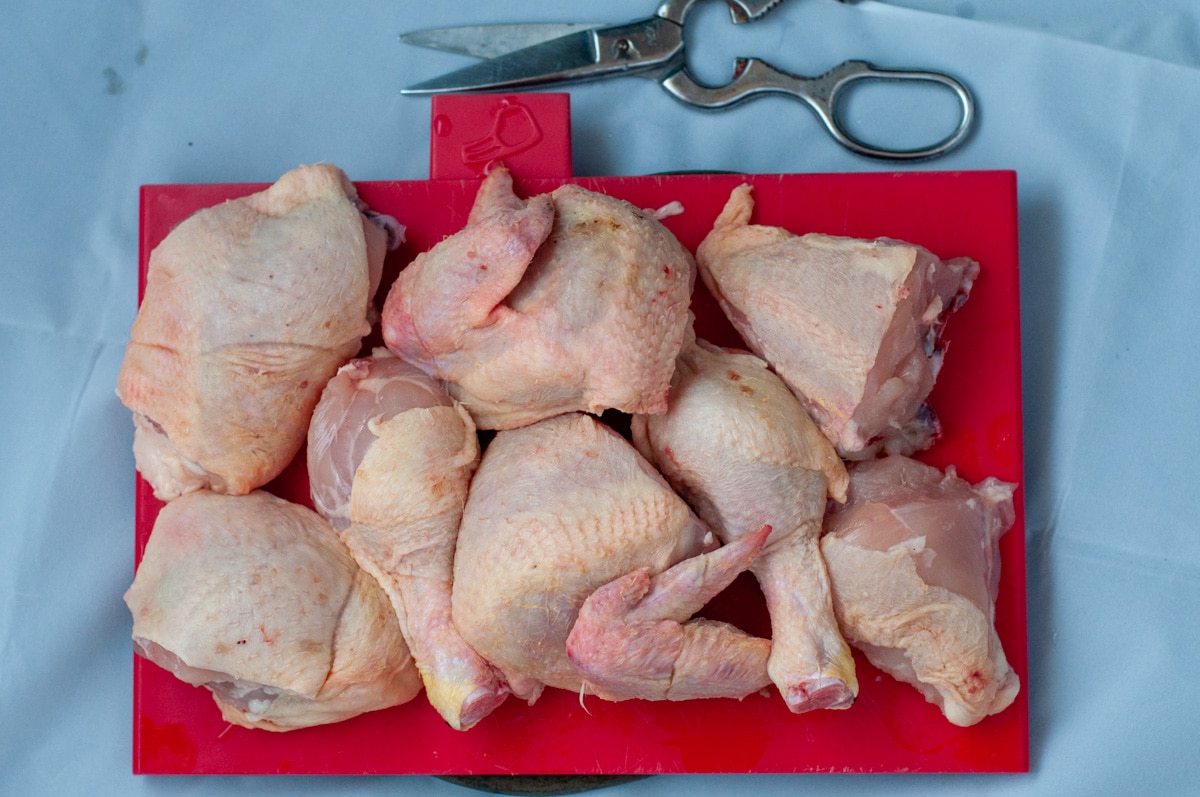
The colour-coded cutting boards. If you use the same cutting board for everything, that is how cross contamination happens.
These give every ingredient its own surface, blue for fish, red for raw meat, white for cooked items like cheese and cake, and green for vegetables.
Each board has an icon on it, so nobody in the kitchen gets confused, and everyone uses the right one every time.
They are small enough to store on the counter and they go in the dishwasher.
Mine are so used that the knife has carved into the plastic, and I am definitely buying them again.
The vegetable brush. It comes in two sizes, one soft and one harder, so you use the hard one for tougher vegetables and the softer one for the delicate ones.
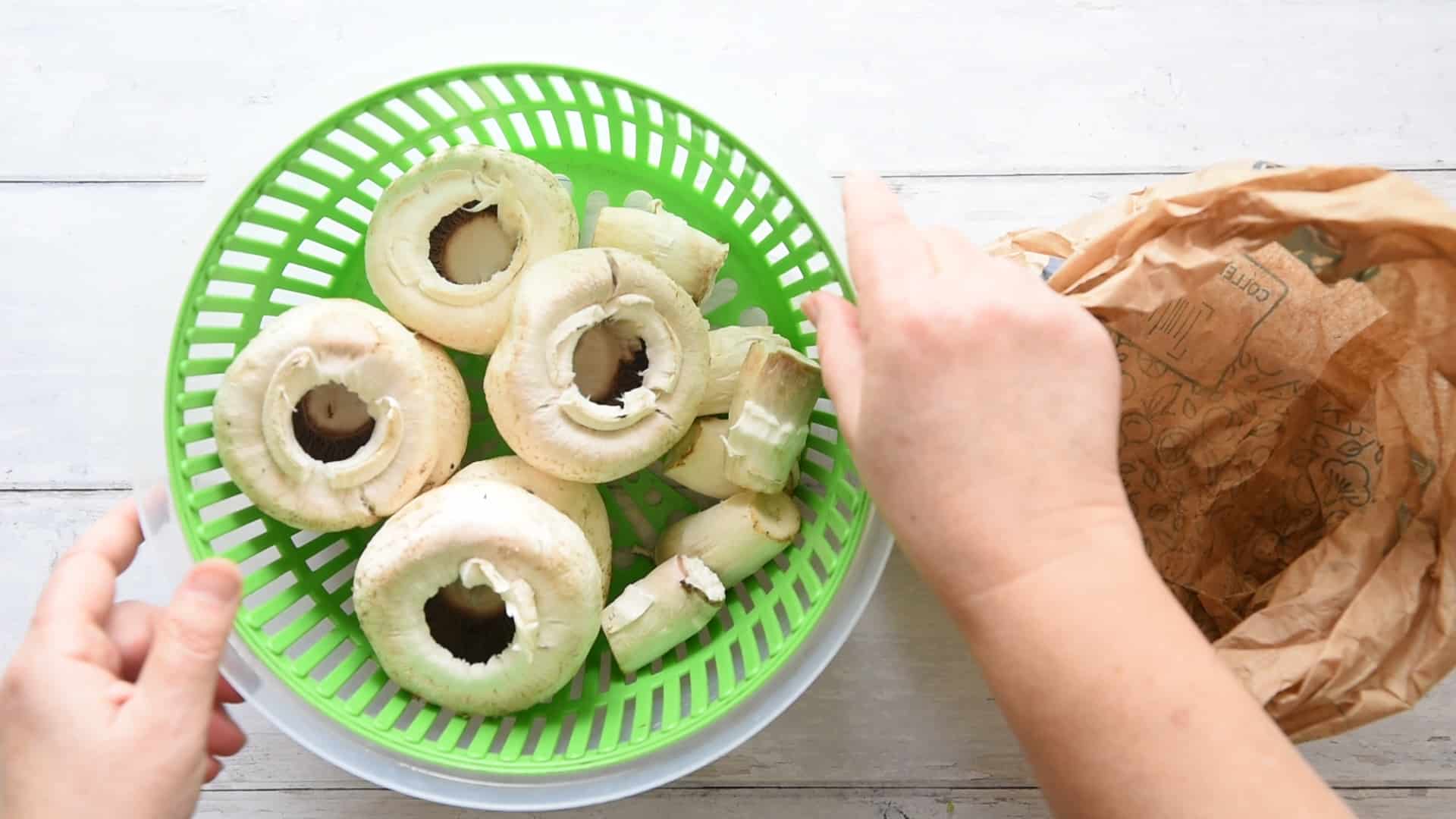
I use it the most for cleaning mushrooms, because mushrooms should never be washed under water, they are like sponges and they absorb it, so the brush is what you use to remove the soil.
I use it for porcini and chanterelles, and I remove most of the soil with the brush and then take off whatever is left with a damp cloth.
It is also particularly useful for truffles.
Truffles grow underground and the soil hardens inside the cracks on the skin, which makes them very difficult to clean.
Unlike mushrooms, truffles will not absorb water, so you can submerge the truffle to loosen the soil and then brush it away, and you will probably need to repeat that a couple of times.
White truffles are more delicate than the others, so for those I use the white bristles, and for the rest the black side works well.
I use the brush for many other vegetables too, white asparagus in spring, or any vegetable I prefer to clean dry rather than under running water.
The kitchen thermometer. It does two completely different jobs. It reads the internal temperature of meat, so you can take it out at exactly the right moment, and it monitors sugar on the stove, where the difference between a nougat and a burnt caramel is a matter of seconds.
When I roast meat I want it rare and I cannot guess that, so I check the temperature.
When I make marshmallow or nougat or caramel I need an exact number, because sugar at the wrong temperature will stay liquid, or it will seize, or it will burn before you can do anything about it.
You can switch between Fahrenheit and Celsius, and you clip it to the pan and watch the temperature rise.

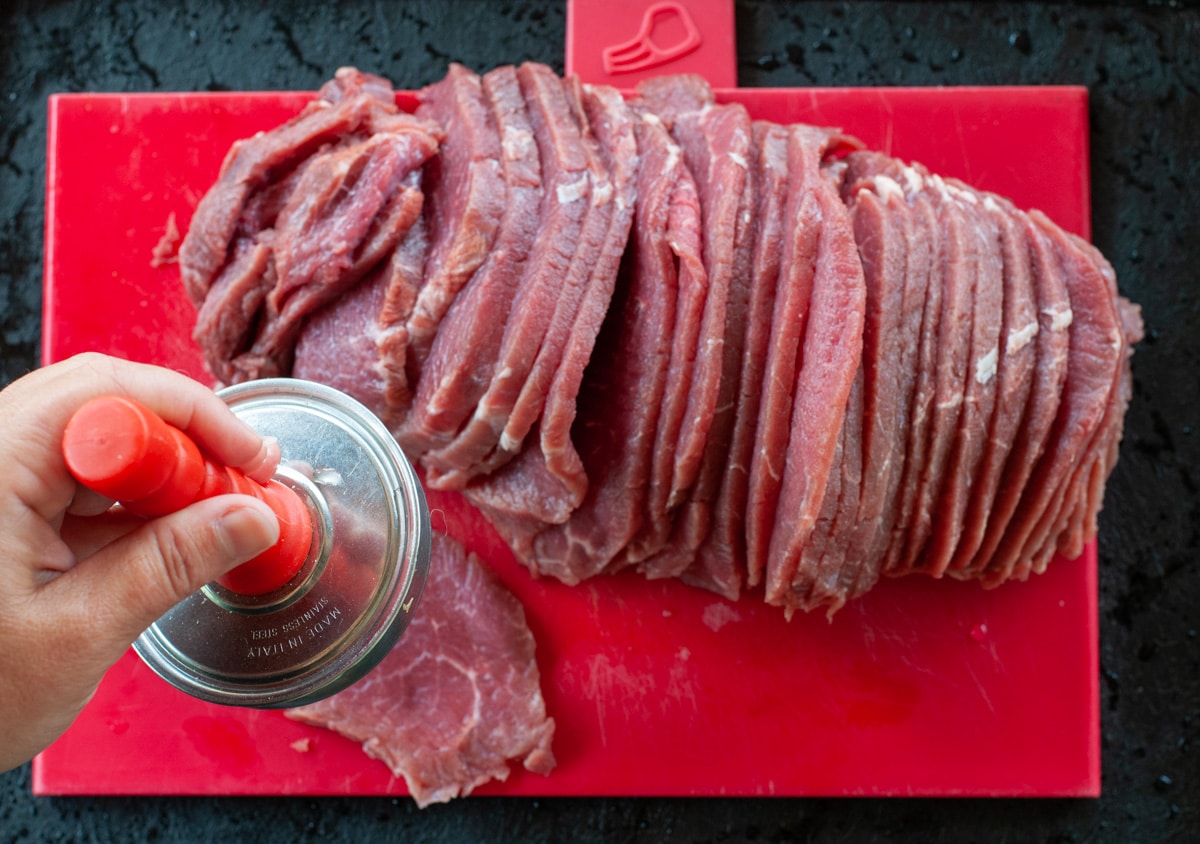
The flat meat tenderizer. A meat tenderizer does not need sharp teeth, and that is not how we use it in Italy. Mine is completely flat, with no teeth at all, and the work is done by the weight of it, which you feel the moment you turn it in your hand.
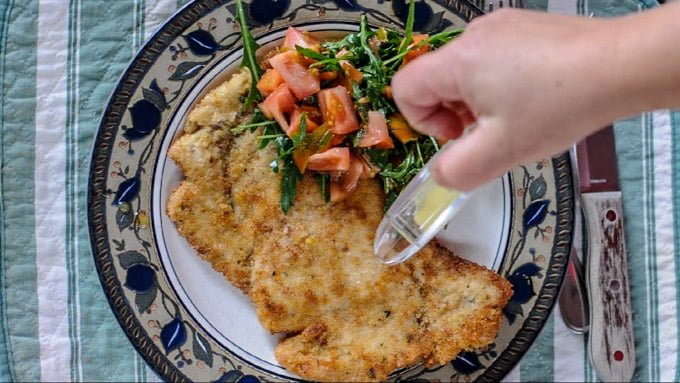
I use it for beef and veal cutlets, because it flattens them thin enough to fry properly, the way you need them for a cotoletta alla milanese, and I use it for chicken as well.
The surface is large, which makes the job smoother, and the flat style is the one I grew up using.
I prefer it to the version with the little triangles, which are made to pierce the meat, when a flat surface is all you need to get a thin, wide cutlet.
It goes straight in the dishwasher and it takes up very little space.
The heat resistant gloves. These are the gloves I use for the barbecue. They fit any size of hand and they let me work over the fire without the risk of burning myself. They are thick and very resistant, so I also use them to open oysters, and for anything else where I need to protect my hands.
The salad spinner. I use it for washing my vegetables, not only the salad. It takes the water off properly, and that matters, because a wet leaf will not hold the dressing.
The kitchen scale. When you are baking you need to weigh your ingredients.
A cup measures volume and not weight, so the same cup of flour is a different amount depending on how it was filled, and in baking that is the difference between a good result and a failed one. I weigh everything.
The peeler, the grater and the colander. These three are essential and there is nothing complicated about any of them.
A peeler for vegetables and fruit, a box grater for cheese and vegetables, and a colander for draining.
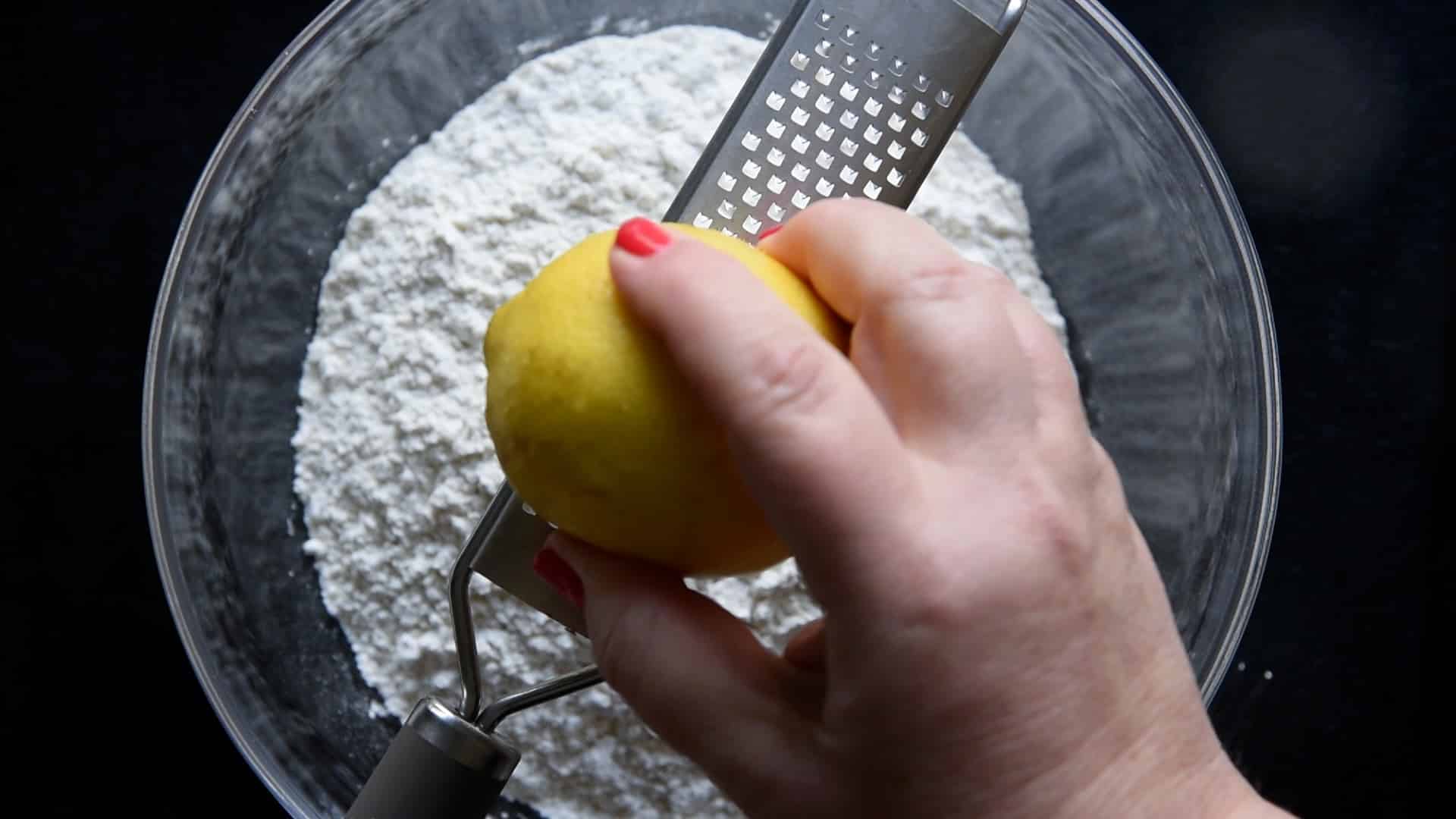
I keep a stainless steel zester grater as well, the narrow rasp, for citrus zest and for grating Parmesan finely over a dish at the table.
Kitchen scissors. Sturdy stainless steel ones with a handle you can grip. I use them more than I expect to, every day.
A sieve. Not the same thing as a colander. A fine mesh for sifting flour and for straining a sauce or a stock so it comes out clean.
A lemon squeezer. We use lemon in everything, so it is on the counter rather than in a drawer.
An olive and cherry pitter. Two hinged arms, one holding the fruit and the other pushing the stone out. It makes the stuffed olives possible and it saves a great deal of time with cherries.
A timer. However well you know a recipe, you will forget something is in the oven.
Baking
Mixing bowls. In several sizes. The heavy ones, glass or ceramic, stay still on the counter while you beat, and the stainless steel ones take the heat and the cold well.
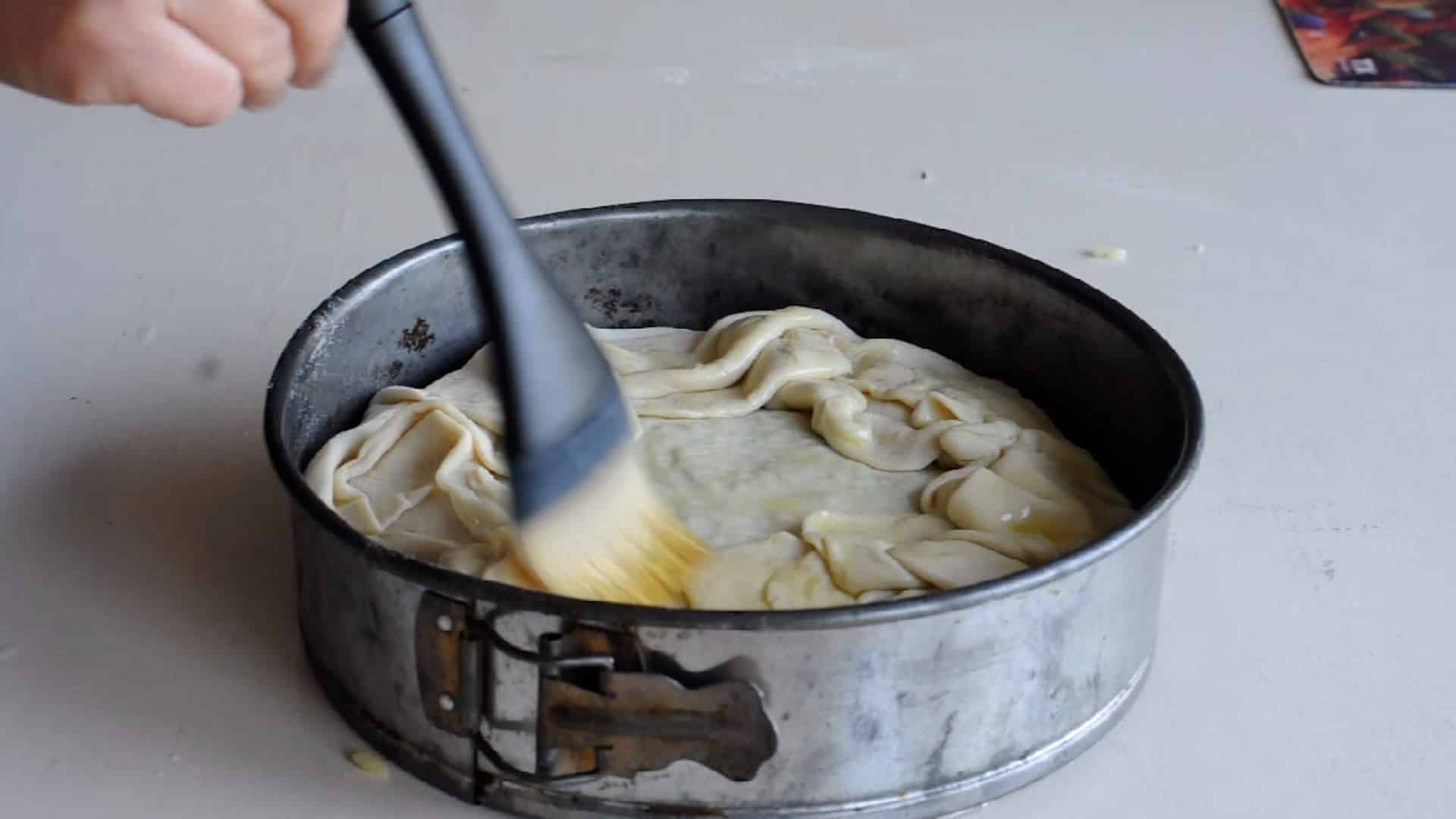
A pastry brush. For the egg wash on the cannoli, and for glazing anything before or after it bakes.
A piping bag with nozzles. For piping creams and fillings, and for decorating.
The tins. These are the ones I use, and the sizes matter, because a cake baked in the wrong size will not rise or cook the way the recipe says.
- A loaf pan, 9.5 inch, non stick metal with a grip
- A springform with a removable bottom, 8 or 9 inch
- A set of four mini springform pans, 4 inch
- A quiche pan with a removable bottom, 9 inch
- A deep tart pan, 9.5 by 2 inch, with a removable loose bottom, for a deep quiche or a pie
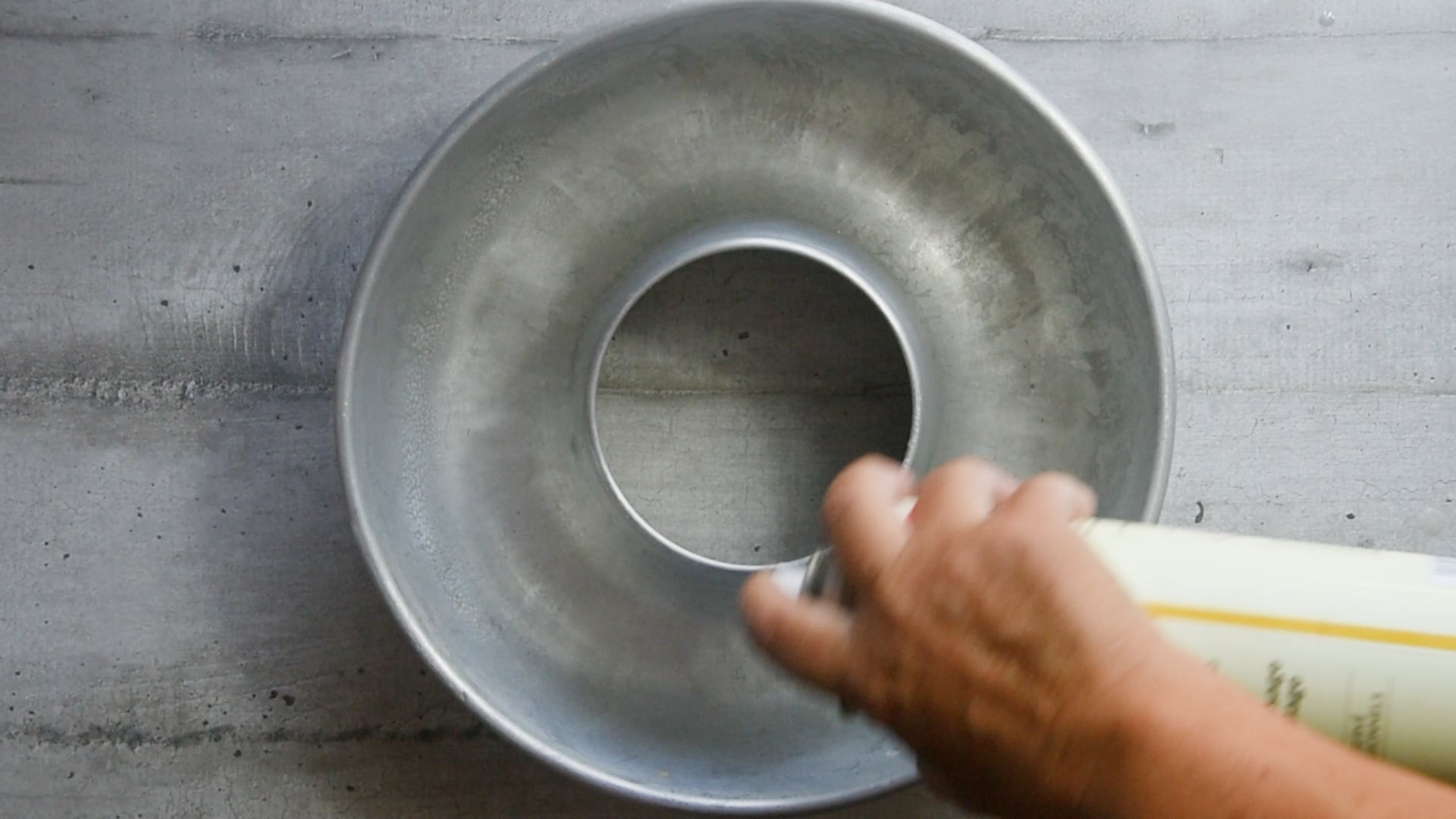
- A fluted cake pan, 7 inch, non stick
- A large cookie sheet, 21 by 15 inch
- Reusable non stick silicone baking cups, which I use instead of paper cases
A cake rack and baking beans. The rack lets the air circulate underneath while a cake cools, and the beans weigh down the pastry when you bake a case blind.
The table
Nambé serving bowls. Nambé is a silver alloy, and it holds heat and cold far longer than ceramic or glass.
You serve gelato and it stays frozen, you bring a roast to the table and it stays warm without a flame under it.
It is elegant enough to serve straight from the kitchen to the table.
I have used mine for years and you can see the scratches, and they still work perfectly.
The care is simple, wash by hand only, no dishwasher, no abrasive sponge, and dry it immediately.
One piece serves everything from ice cream to fish to a Sunday roast, indoors and outside.
The gelato spoon. Mine is stainless steel with a lever in the handle.
You squeeze it and a blade sweeps round the inside of the bowl and pushes the gelato straight out, so nothing sticks and every scoop comes out round.
The luxuries
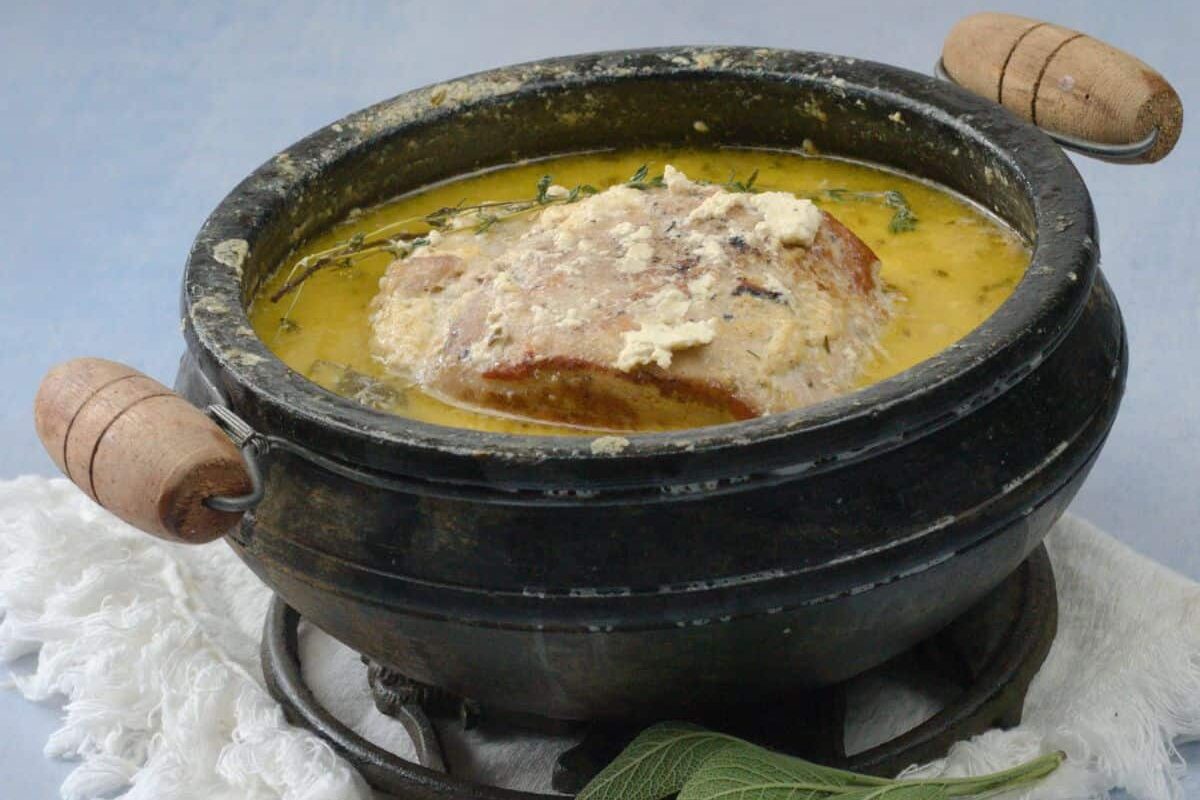
The soapstone pot. It is called pedra-sabão, soap stone, and it comes from Minas Gerais, the same stone the statue of Christ in Rio de Janeiro is made from.
The indigenous people of Brazil were carving and cooking in it long before the Portuguese arrived, because the stone is soft enough to carve and it is not porous.
It works like a pressure cooker, except that there is nothing artificial about it, no coating and no mechanism, only pure stone.
It holds the heat, and when you put the heavy lid on top it creates the same effect as a pressure cooker.
My soups come out extremely well in it, and I use it for risotto too.
The one thing to know is that it does not tolerate sudden changes of temperature.
When you buy it you coat it with oil and put it in the oven to warm up gently, then you let it cool down gently, and you repeat that. I did it three times.
After that you simply leave it to cool down on its own every time you use it.
Mine is dark now rather than the light grey you see in the photographs, and that is the oil.
It cleans easily, never in the dishwasher, I scrape the food away with a sponge and oil it again if it looks too dry.
It is also good looking enough to bring to the table for a rustic meal.
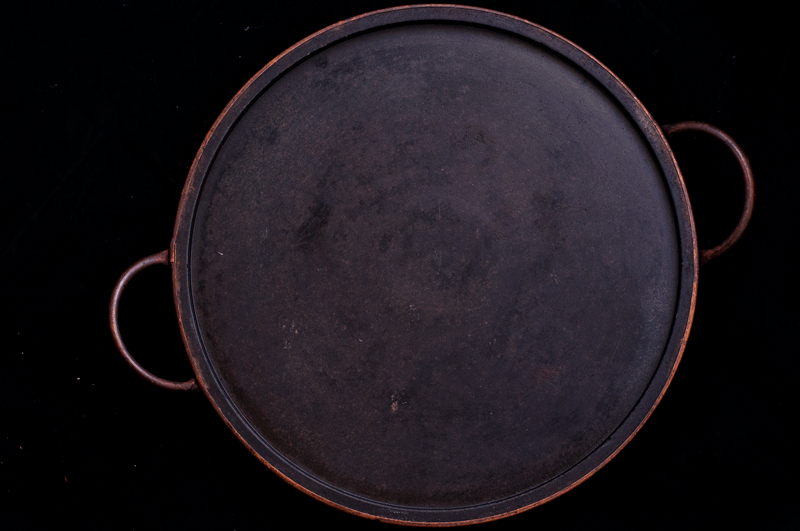
It is the same Brazilian stone, cured the same way, and it is what I use to cook pizza in an ordinary kitchen oven. You do not need a pizza oven and you do not need to be outdoors.
The stone holds the heat for a long time, so the crust stays crunchy, and the surface is naturally non stick, so nothing attaches to it and I clean it by scraping rather than with soap.
I put it in the oven cold and let it warm up gradually with the oven, up to a very high temperature.
When the oven is hot I lay the dough on the stone, add the topping and put it back in.
I have two, on two levels of the oven, so I cook two pizzas at a time and they are done in ten minutes.
The size is right, and there is a small edge around it, so I also use it for things that are not pizza, chickpea pancake, flatbread and bread.
The tools I do not own
I do not have an air fryer because I never fry, but when I fry I like to fry the proper way.
I do not use a mandoline, a garlic press or a mortar.
What is left after all the moves
I have carried this kitchen from Rome to Milan, and then to Norway, the UK, the USA and France, and every move left something behind, so what is on this page is what survived all of it.
It will still grow, because there are things I want and do not yet have, a pizza oven among them. And if there is something you cannot cook Italian without that I have not mentioned here, tell me in the comments.
Leave a Reply