
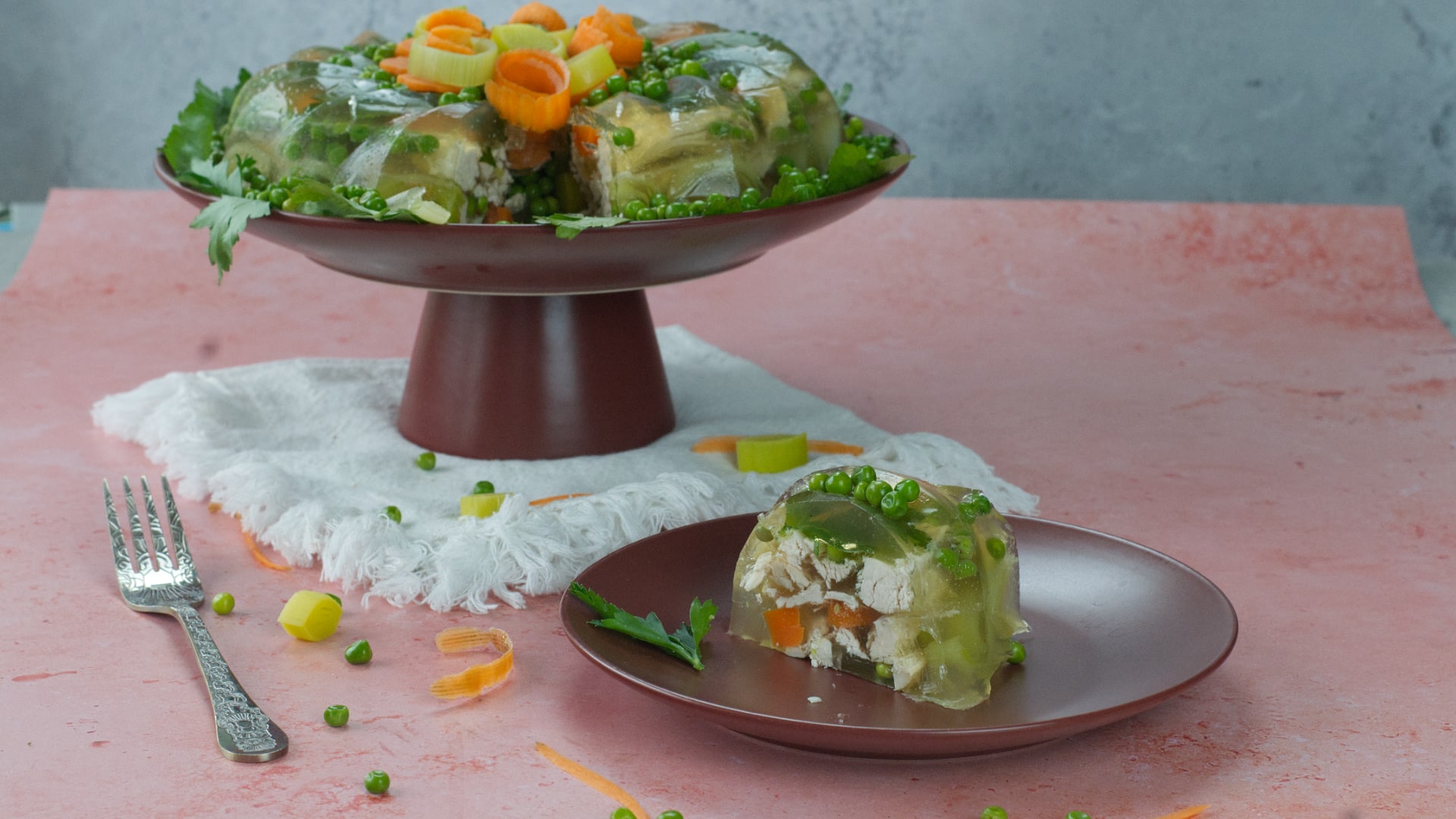
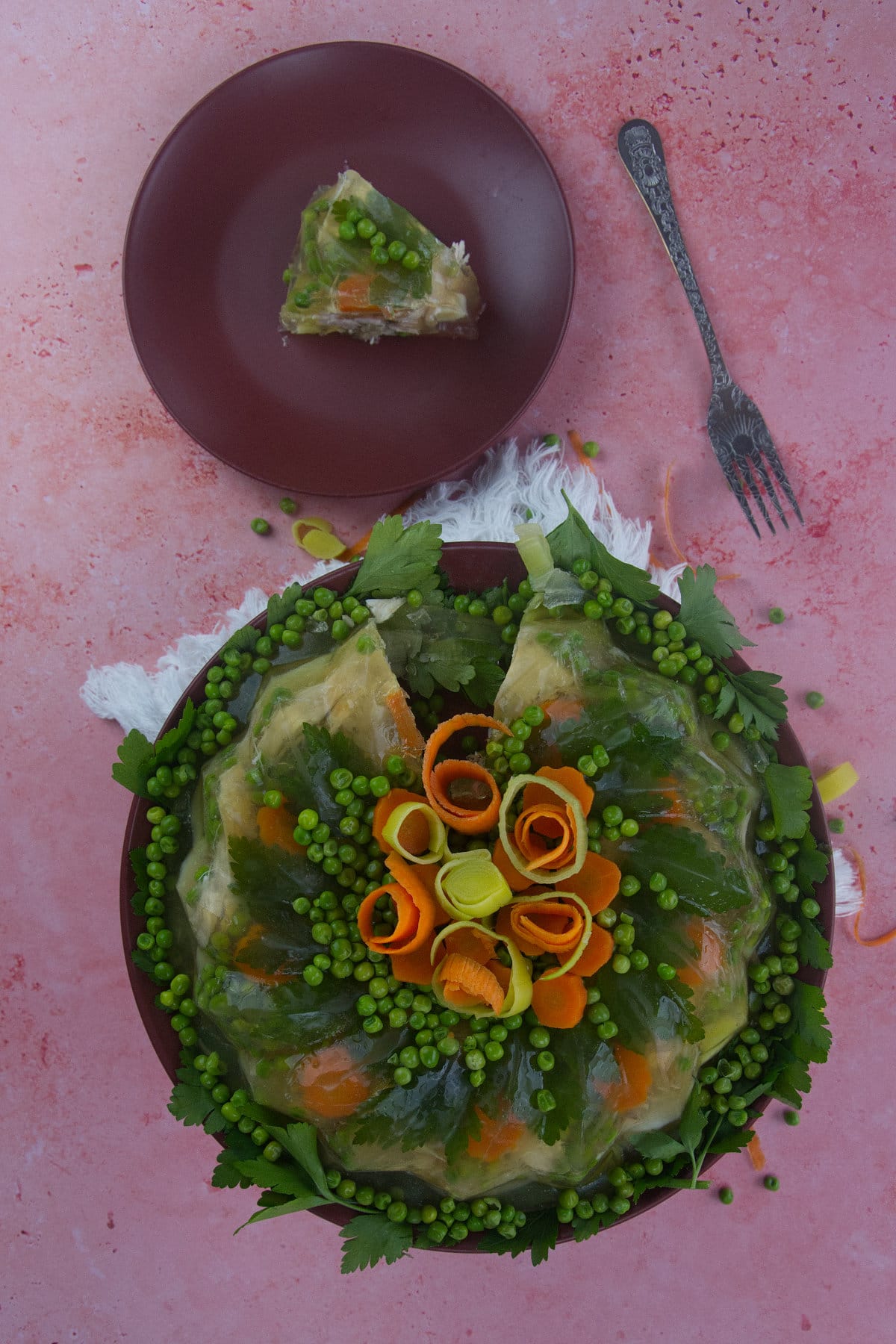
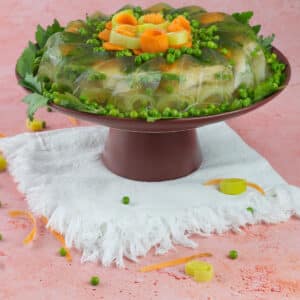
In Italy, a festive chicken aspic (Gelatina di pollo) is a holiday staple, often also used to transform leftover capon or turkey roast into an elegant centerpiece. It is visually stunning yet surprisingly light-my family always welcomes a break from a heavy Christmas feast. Best of all, it can be prepared entirely in advance for a stress-free dinner party.
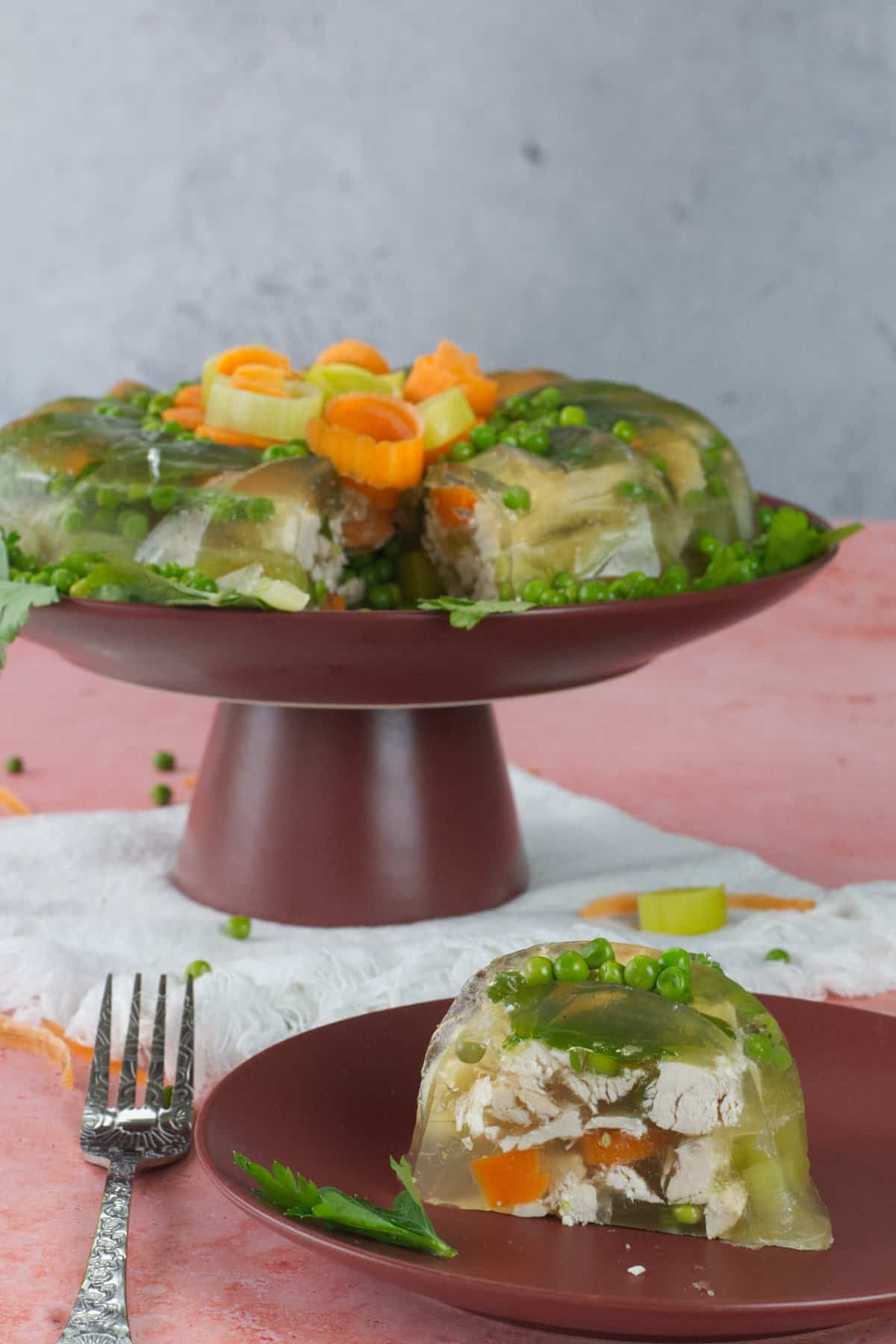
During the holidays, we often reach a point where we crave something fresh after days of rich meals.
This Pollo in gelatina perfectly embodies the Italian philosophy of cucina di recupero-transforming leftovers into a new, refined dish.
It is not just a smart way to use the Sunday roast or Christmas capon leftovers; it brings elegance to the table.
The magic lies in the consommé technique: clarifying the stock cleans the flavor and gives it that crystal-clear, jewel-like shine.
By preparing this the day before, you free yourself up to enjoy your guests, a key strategy when hosting an Italian dinner party.
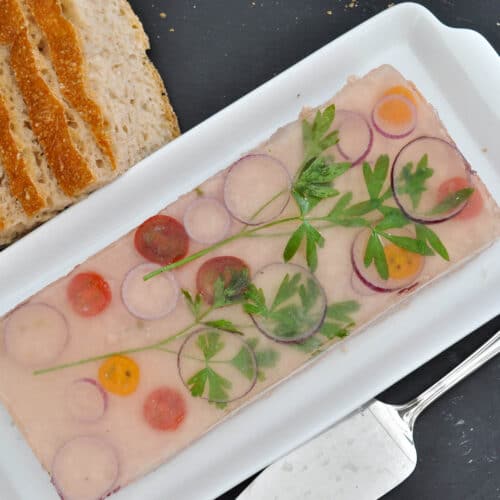
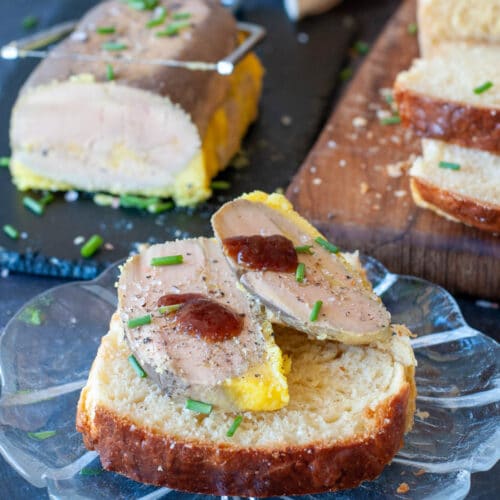
For more festive recipes, you can check ham terrine, foie gras and salmon tartar.
Preparing the Mold
Before you start, choose a mold of any shape-a classic ring mold (Ciambella), a loaf pan, or even a simple glass bowl.
To ensure the aspic comes out easily later, slightly oil the inside surface with extra virgin olive oil using a paper towel.
It is crucial to measure the liquid capacity of your mold before you begin.
Fill it with water and pour it into a measuring cup to see exactly how much liquid it holds.
You will need to know this volume to determine the amount of stock and gelatin required (remember to account for liquid reduction during the clarification process).
Ingredients
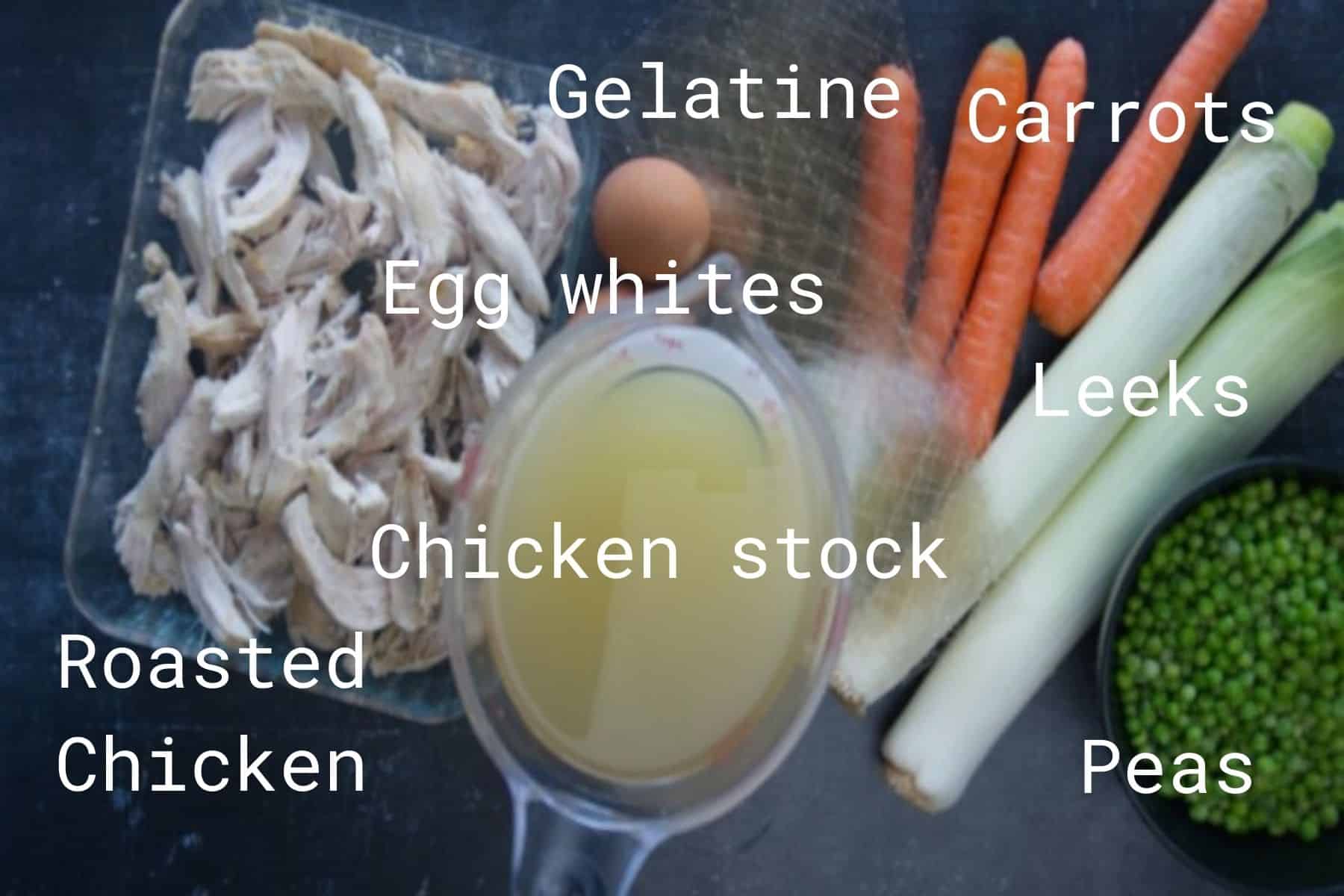
- Chicken stock: Check the volume of your mold and use double the amount of stock, as it will reduce when clarified. Chicken stock is preferred for its shiny yellow color, though you can also use beef or vegetable stock. For the best results, use a high-quality homemade chicken stock, as it provides the rich flavor and natural body that store-bought versions lack. The clarity of the final dish depends heavily on starting with a good base.
- Egg whites: Use 2 egg whites for every 1.5 liters (6 cups) of stock. These are essential for the clarification process to trap impurities. They will be discarded after the stock is clarified and will not be part of the final dish.
- Gelatine sheets: These ensure the aspic sets firmly. You will need to calculate the amount based on the liquid you use. I generally use 1.5 sheets per 100 ml (scant ½ cup) of liquid, but you must check your specific gelatine box directions as strength varies by type and brand.
- Leftover Roast Meat: Roasted chicken, capon, or turkey. The meat should be cold, so it is easy to cut into neat cubes or shred.
- Vegetables for decoration: Carrots, peas, and leeks were used here, but you can use whatever you prefer. Be careful to choose vegetables based on the final visual look to create a beautiful contrast.
- Fresh Parsley: Used for decoration.
- Sherry (Optional): A splash adds a refined depth.
- Salt: For boiling vegetables and seasoning the stock.
Measurements are in the recipe card
Step-by-Step Instructions
Preparing the vegetables
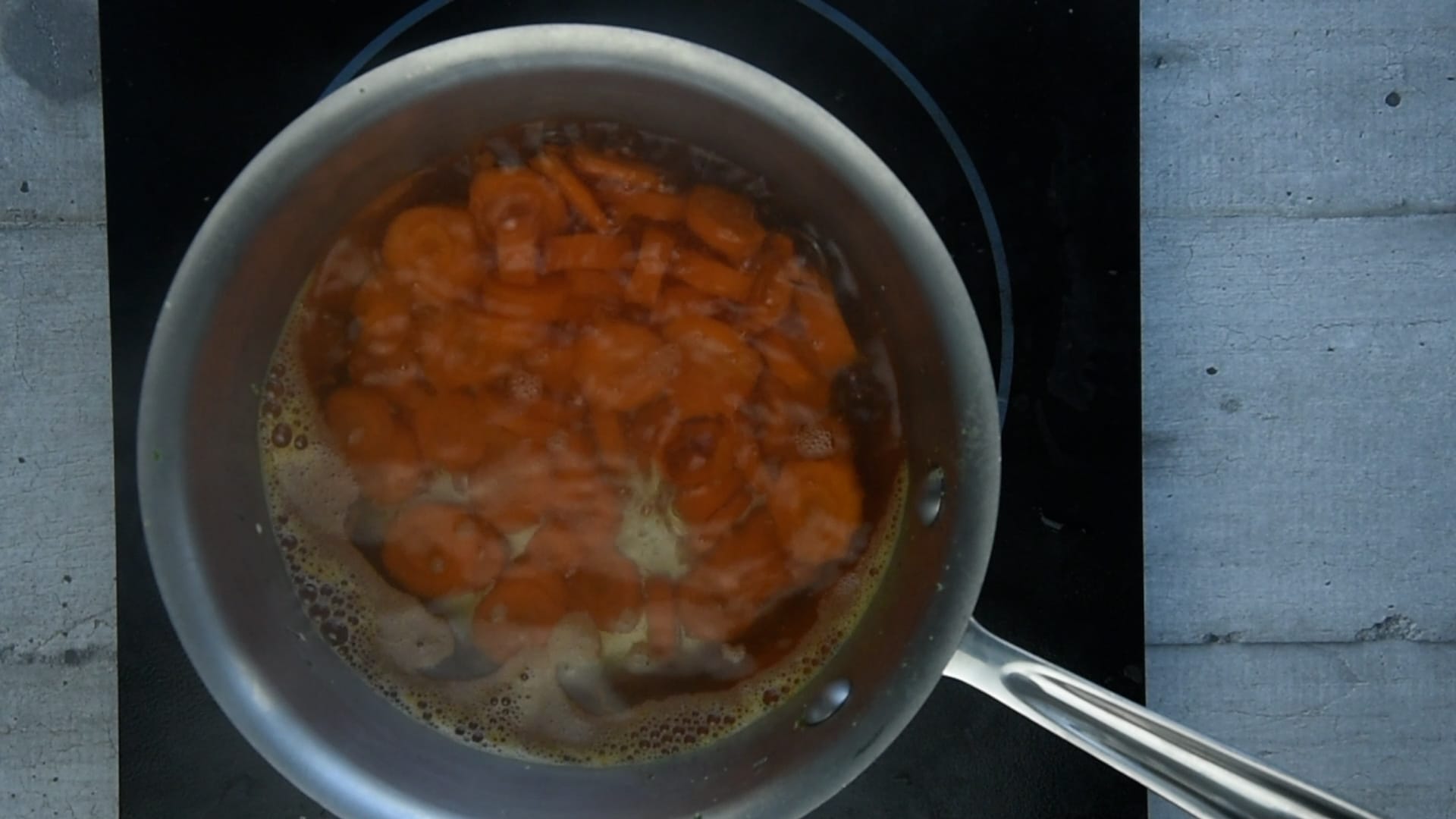
Wash the vegetables and cut the carrots and leeks into decorative shapes or slices.
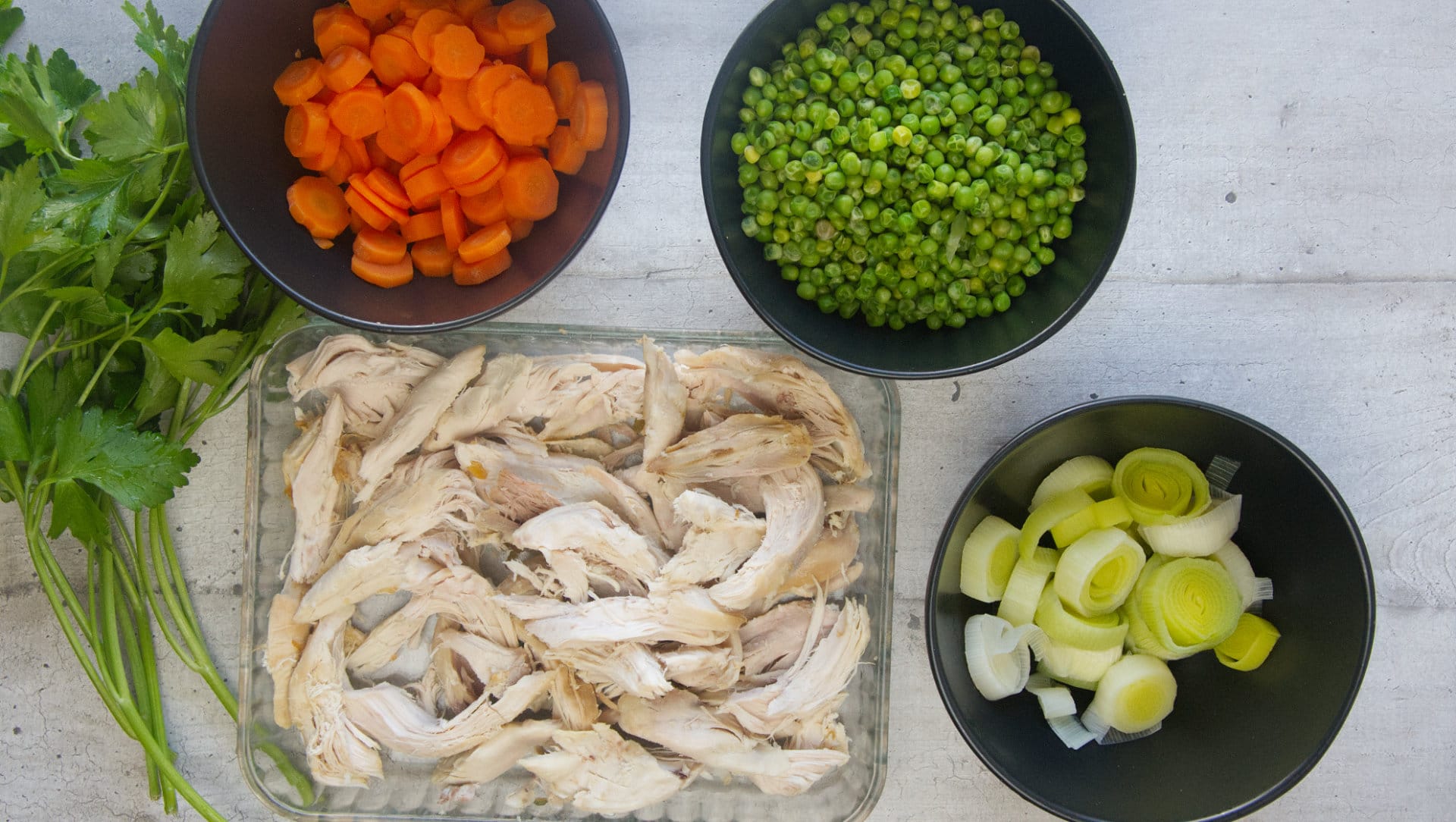
Boil each vegetable separately in salted water for only 5 minutes. They need to be cooked but must remain nice and firm to hold their shape and color in the jelly.
Drain and let them cool completely.
Clarifying the stock
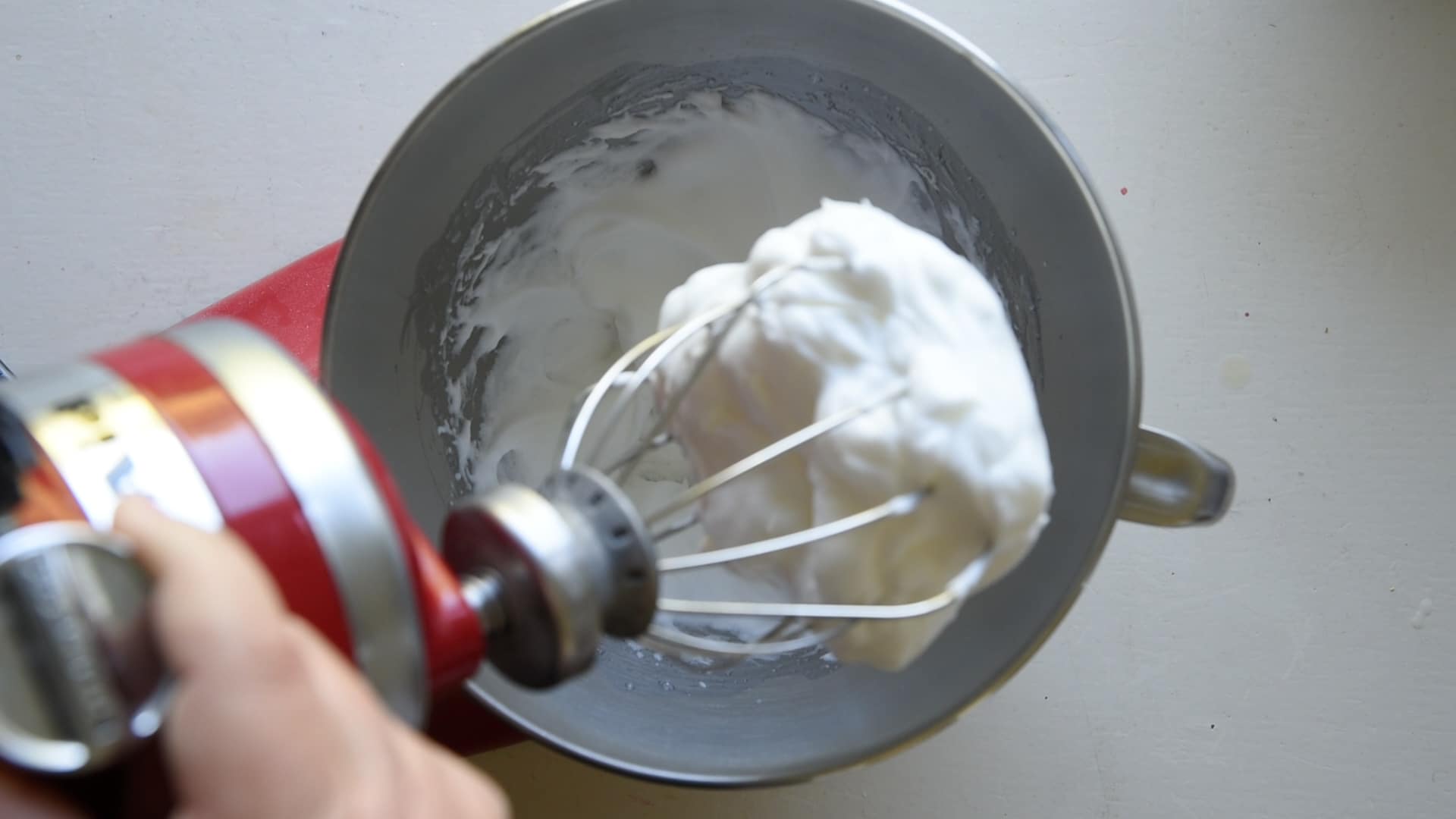
Whisk the egg whites in a bowl until frothy
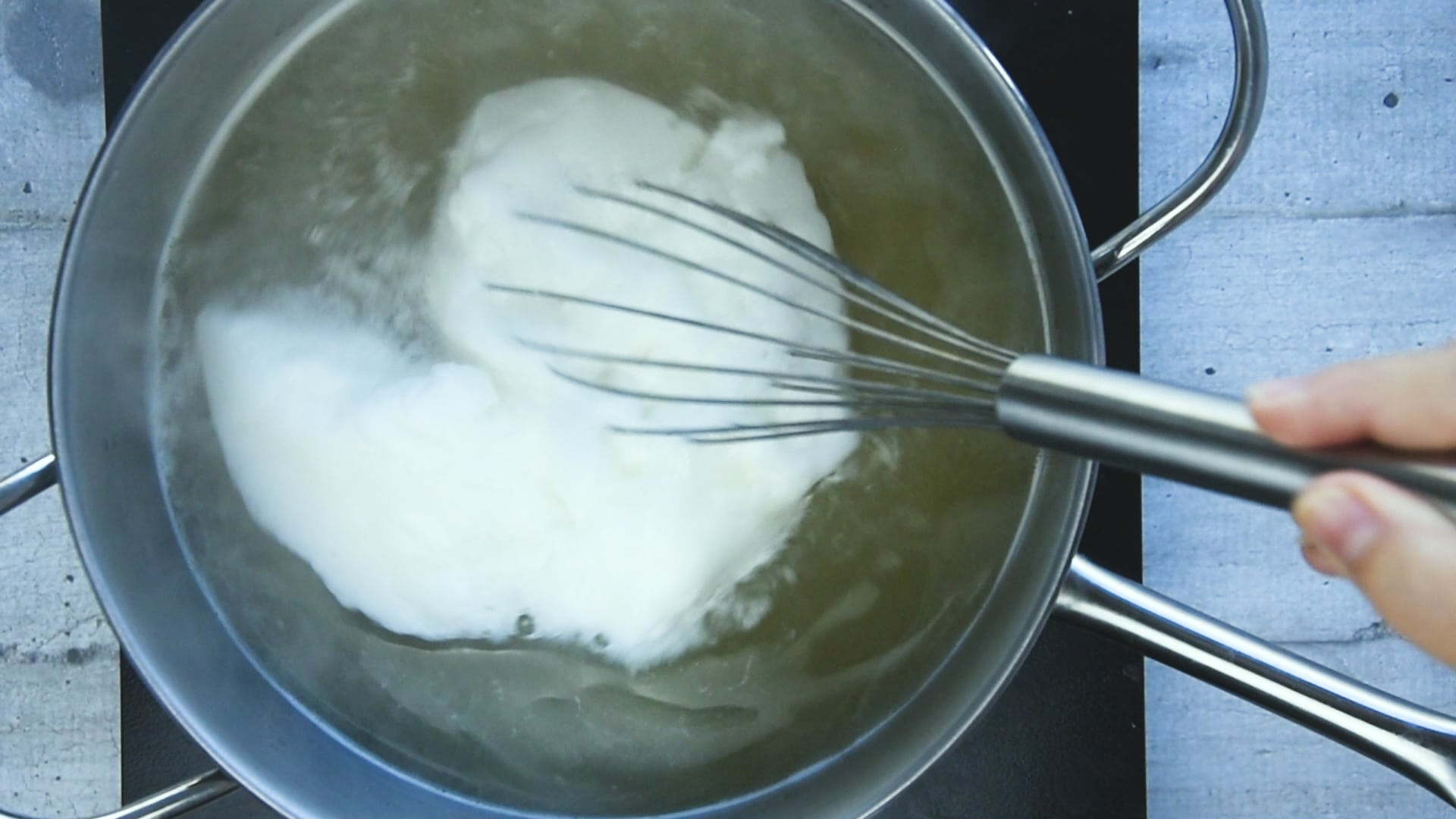
Combine them with the cold stock in a pot.
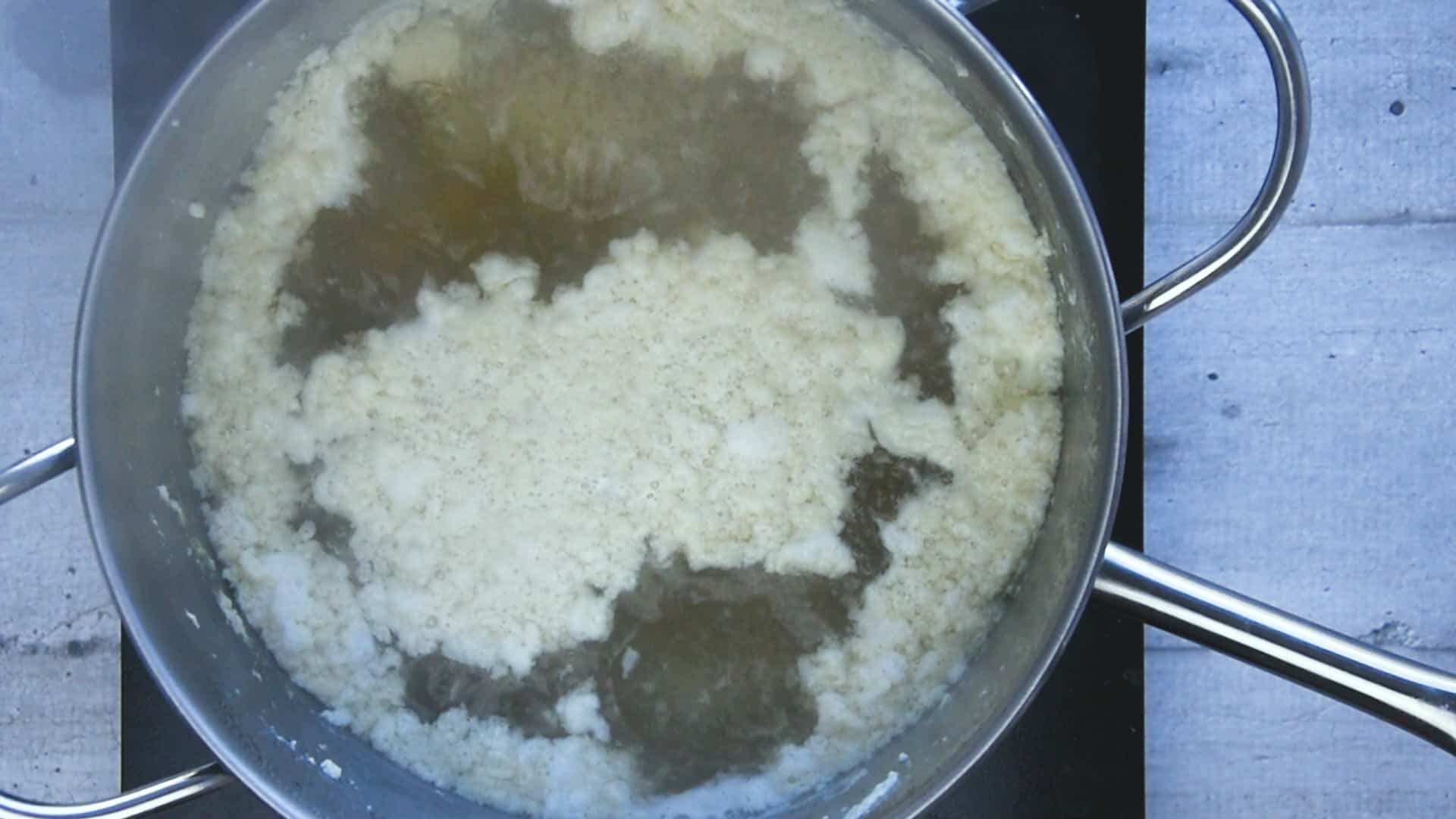
Bring to a slow simmer. Do not stir once the "raft" of egg whites forms on the surface. Let it simmer gently for 45 minutes
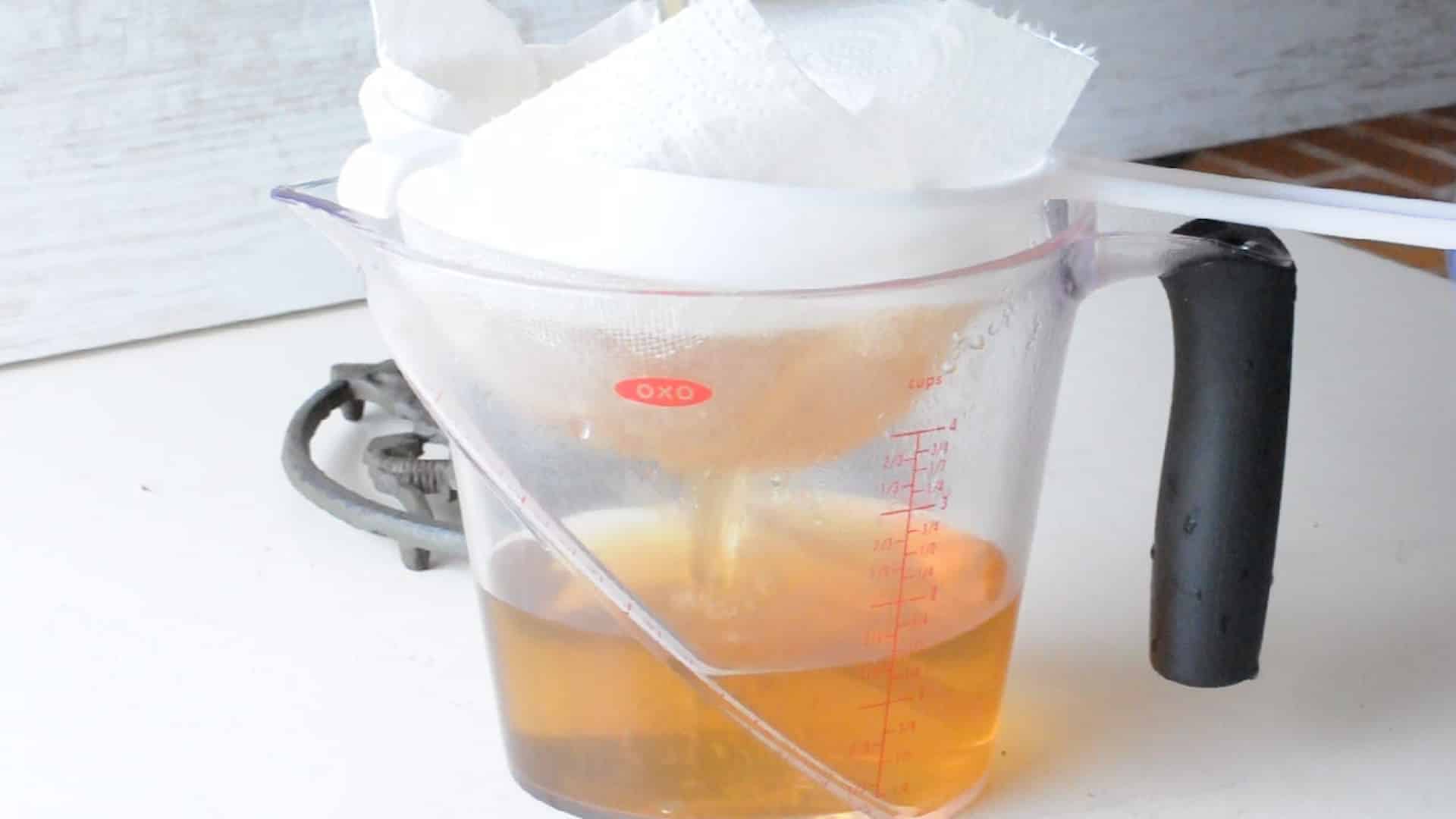
Filter the liquid through a cheesecloth, discarding the egg whites.
I give the draft to my dogs but not all at once as it is very rich
Preparing the gelatine
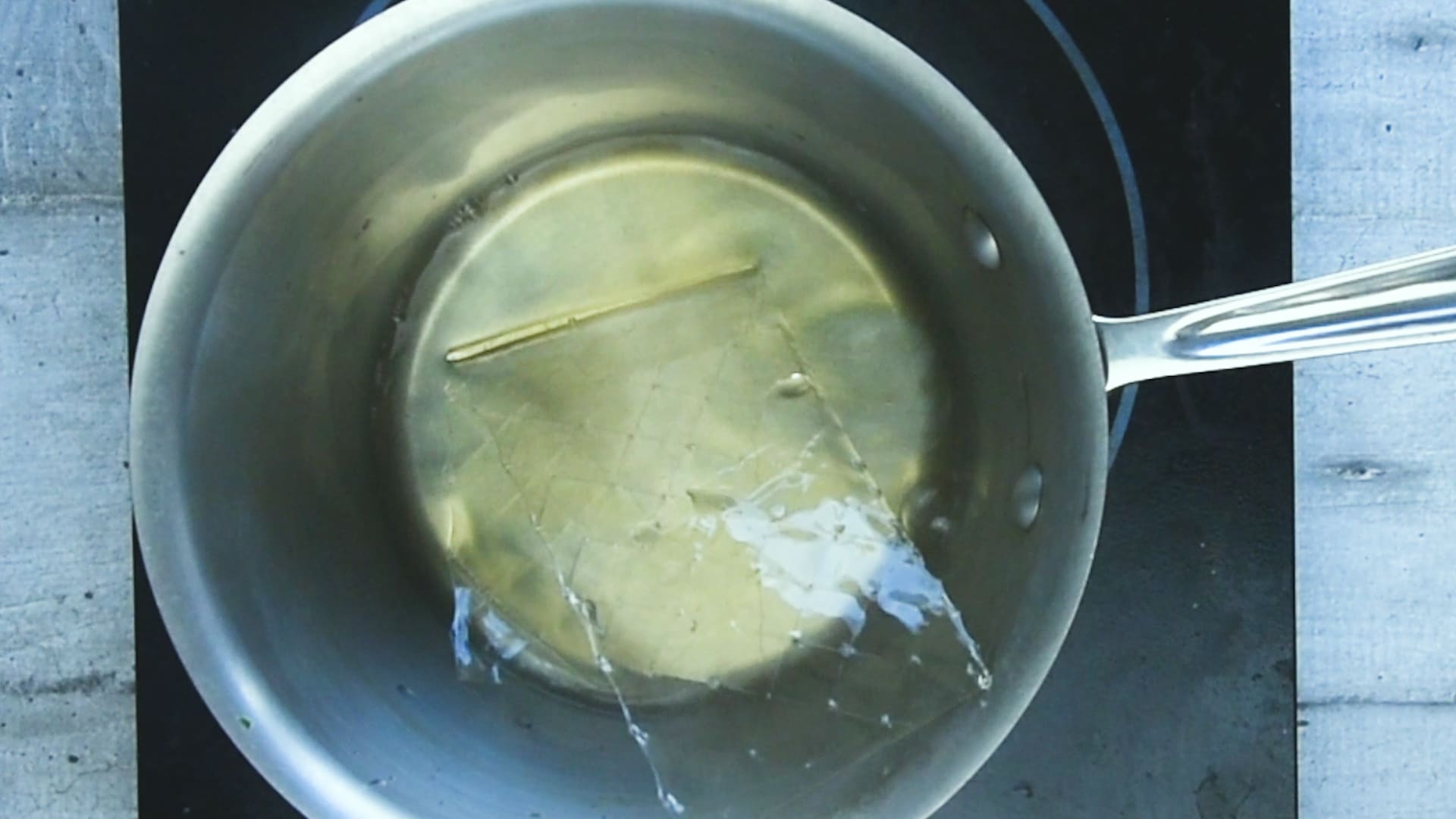
In a small pot, warm up 100 ml (scant ½ cup) of the clarified stock and dissolve the gelatine sheets into it (using the ratio indicated on your box, or roughly 1.5 sheets).
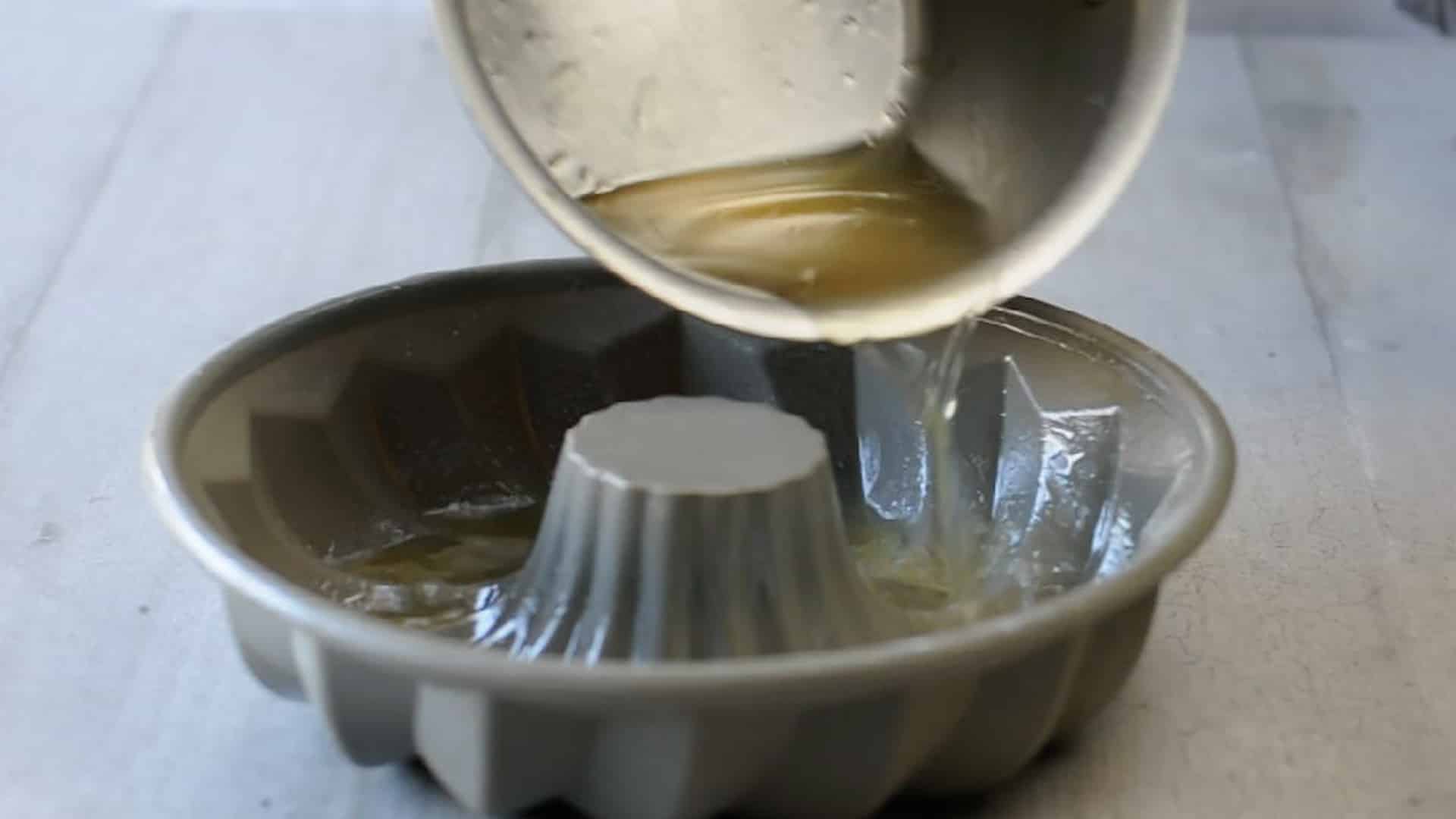
Pour this liquid into the bottom of your mold to form the top layer of your aspic.
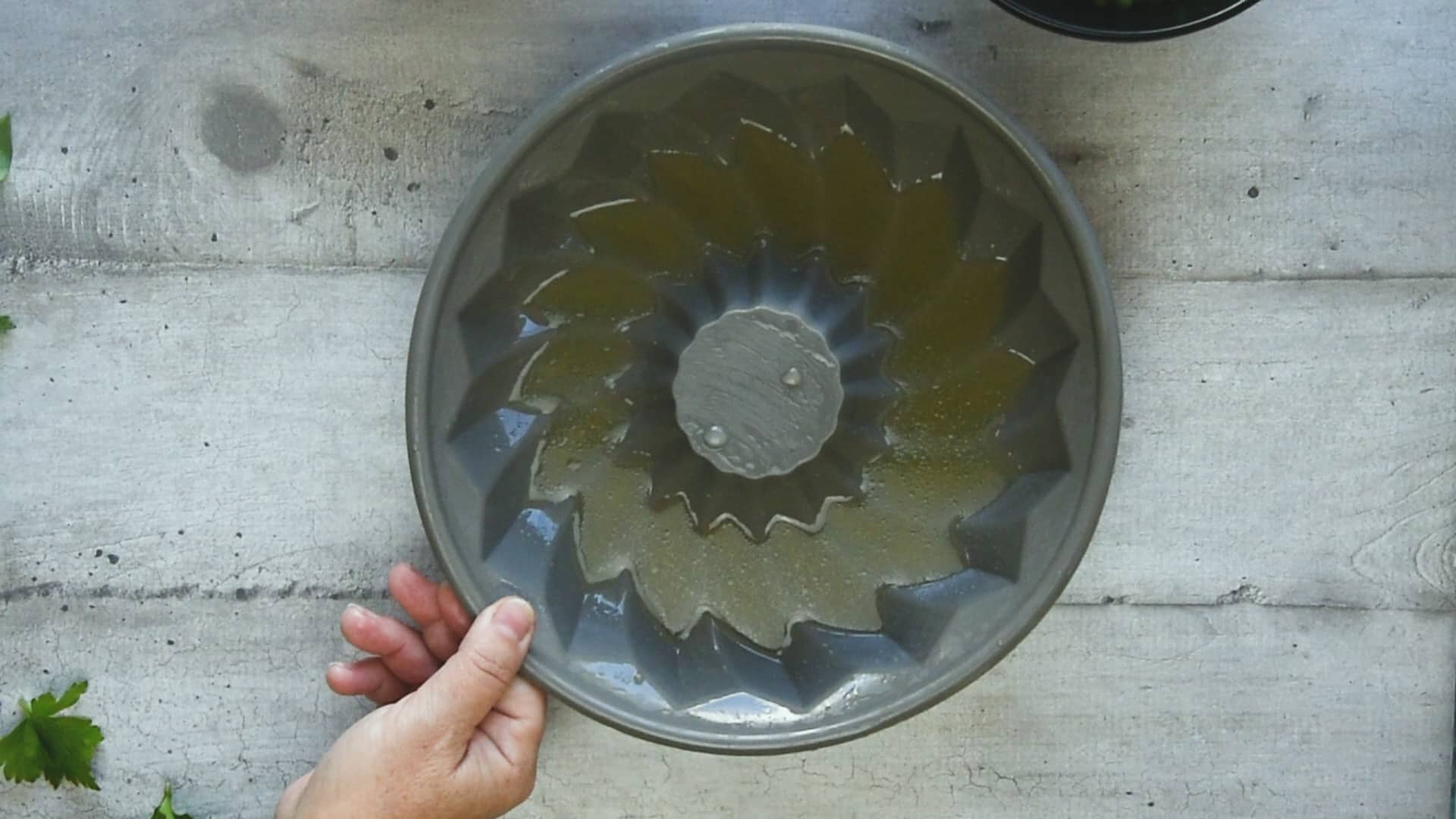
Place the mold in the fridge and leave it to solidify for 30 minutes.
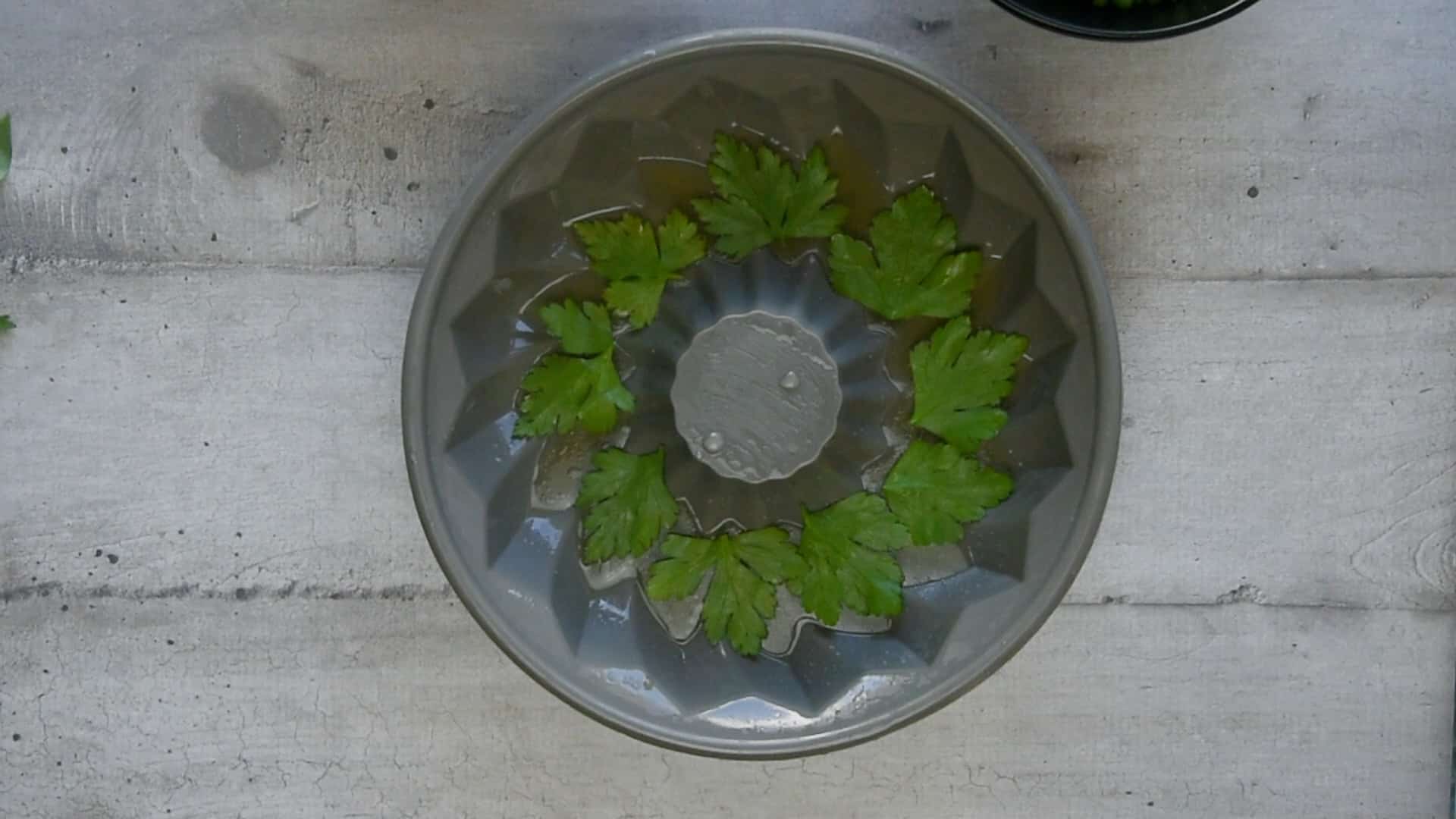
Remove the mold from the fridge. Decorate the set layer with fresh parsley leaves, arranging them artistically as this will be the face of the dish (remember they will be upside down).
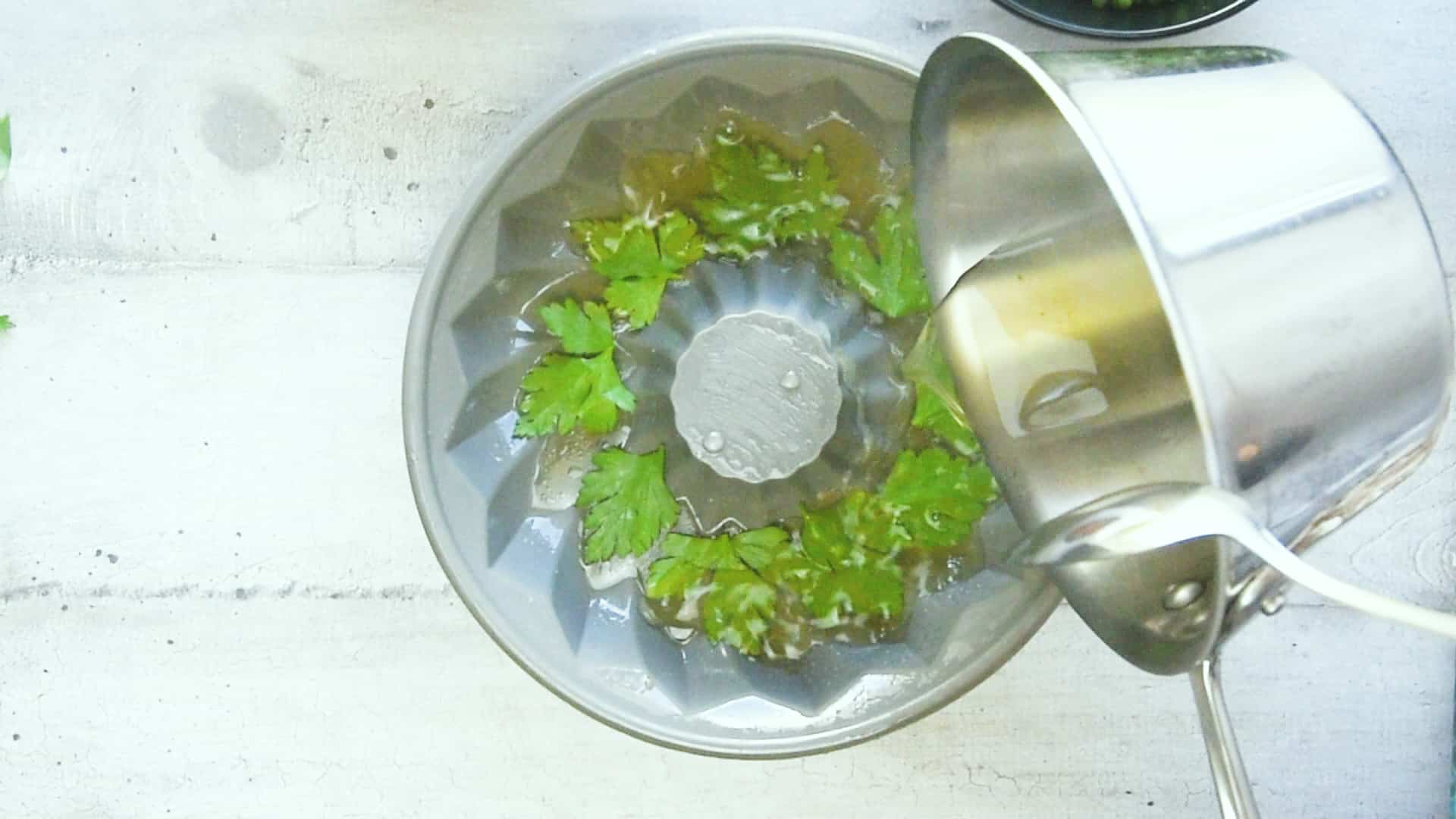
Prepare another 100 ml of stock, dissolve the necessary gelatine, and gently pour it over the parsley.
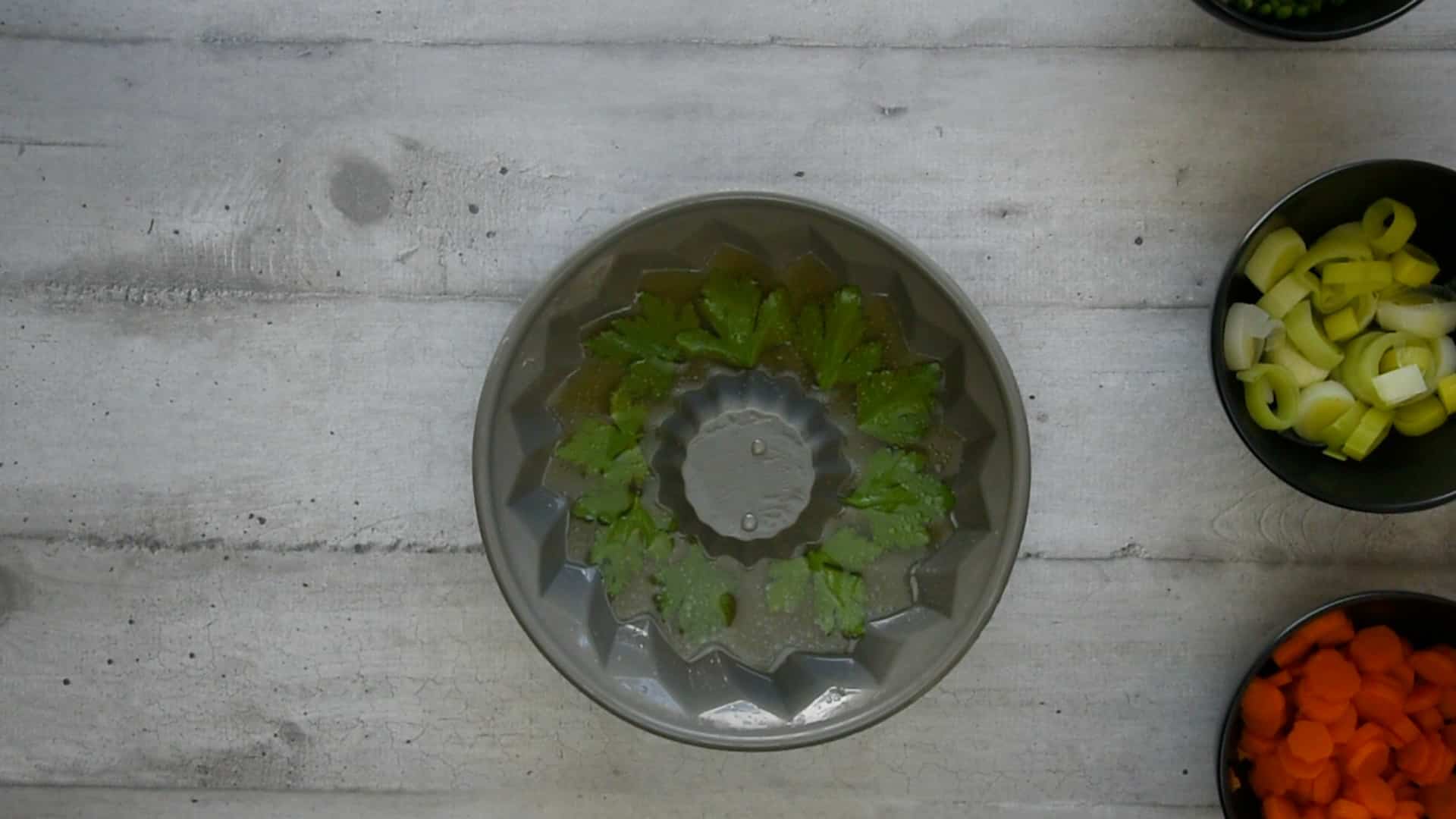
Return to the fridge to solidify for another 30 minutes.
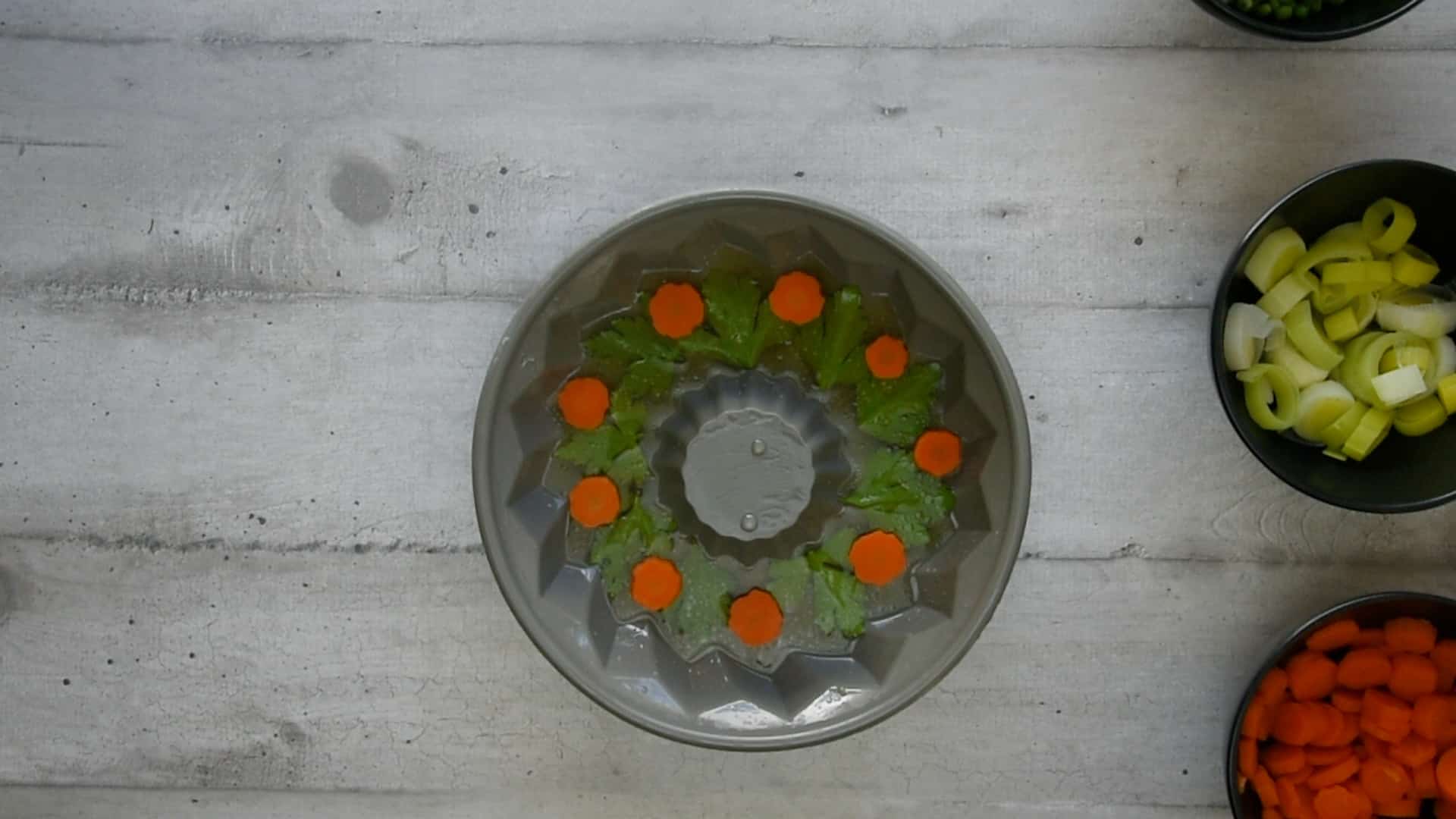
Remove from the fridge and place the carrot slices on top of the set jelly.
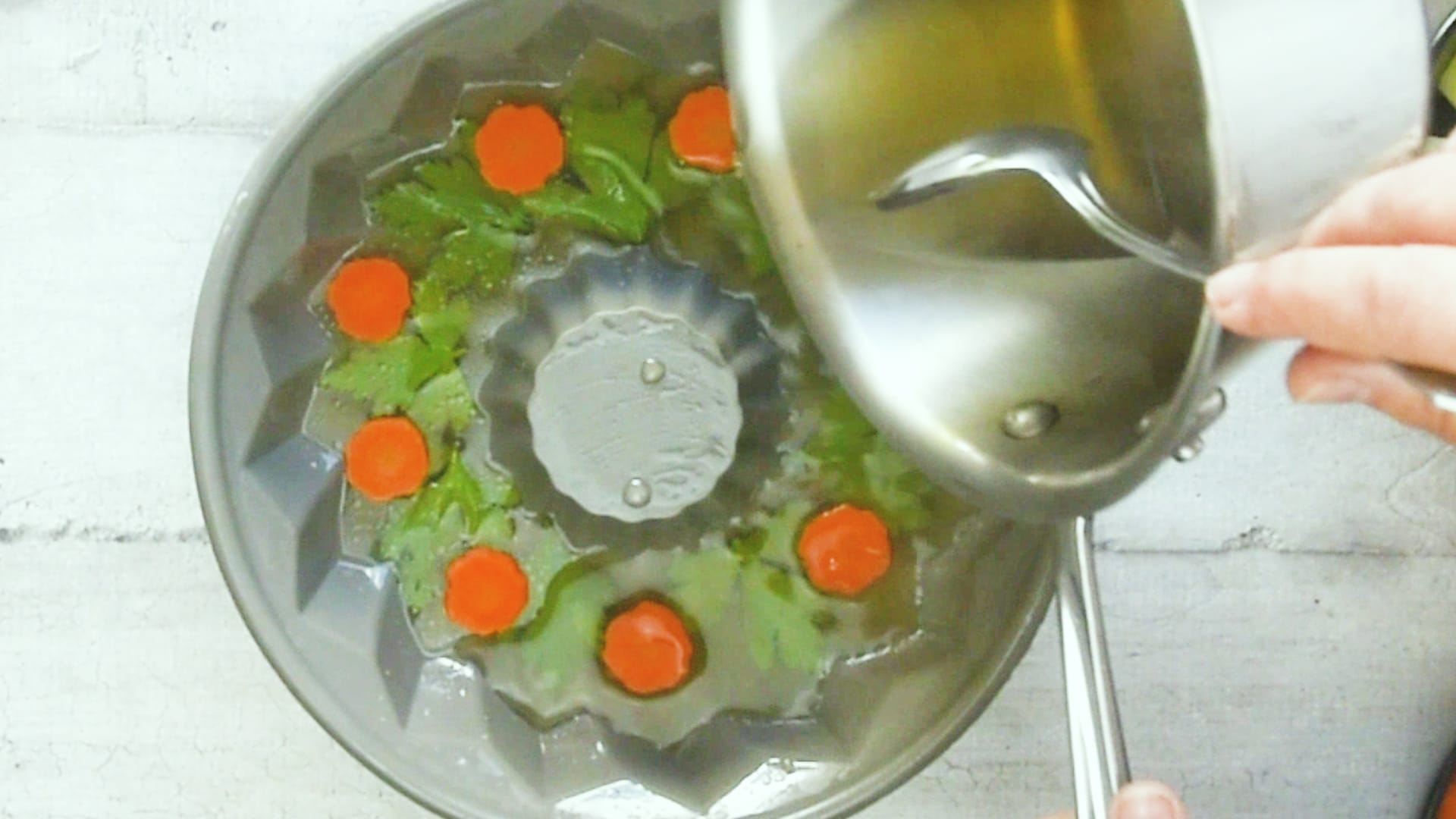
Cover with more prepared stock and gelatine mixture, then put back in the fridge to set.
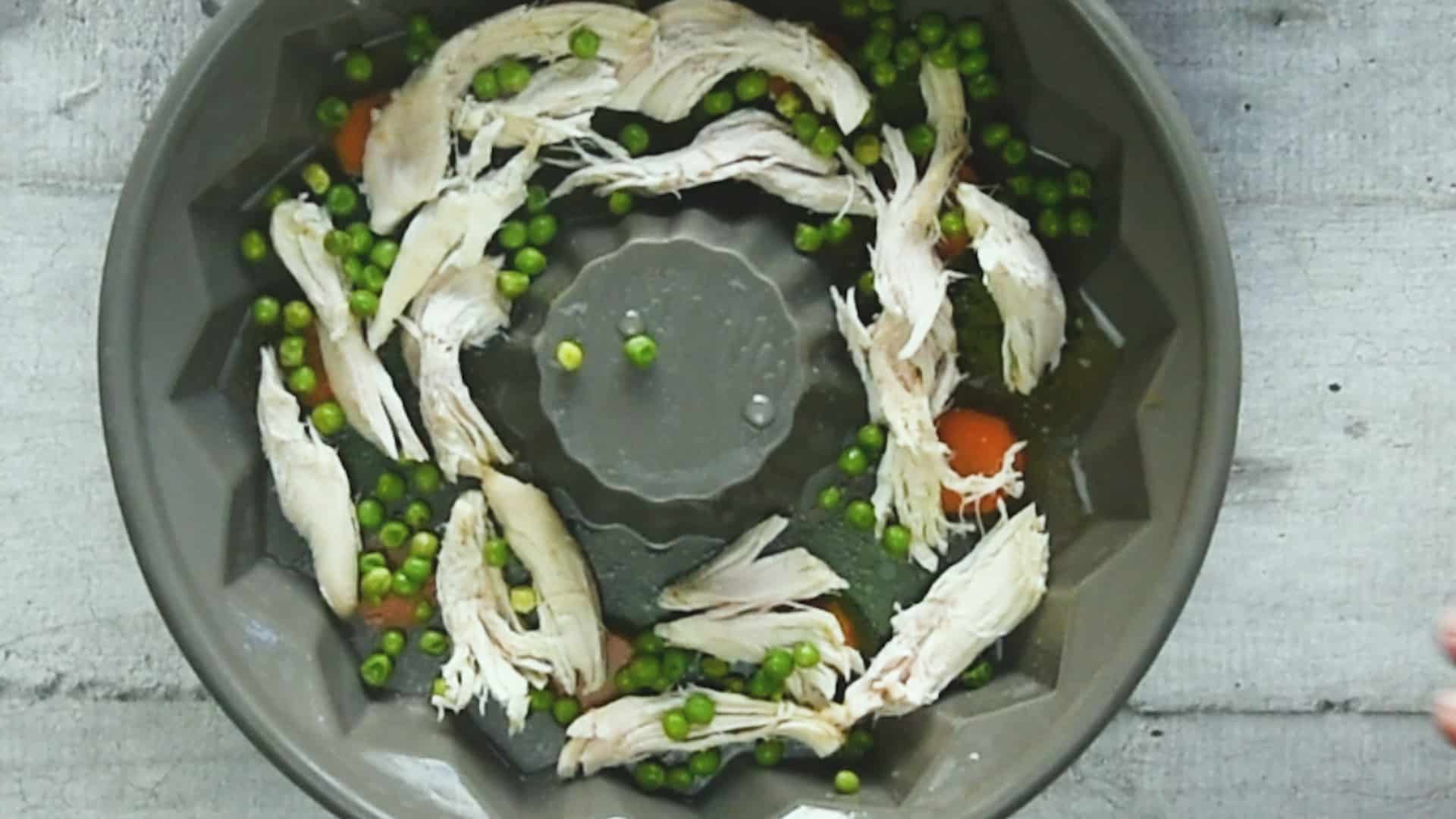
For the next layer, add the chicken pieces mixed with the peas.
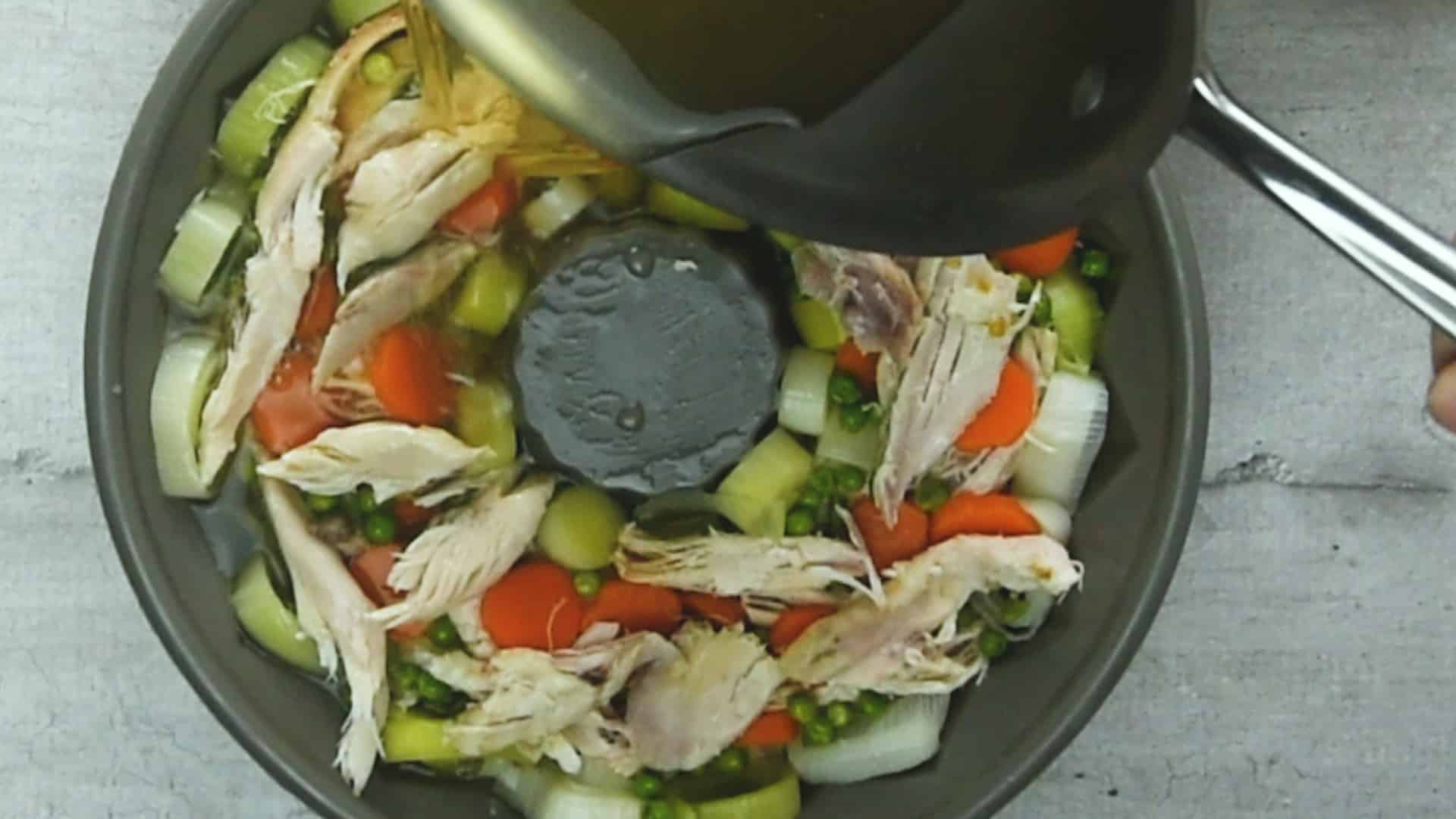
Cover with more stock and gelatine mixture and return to the fridge.
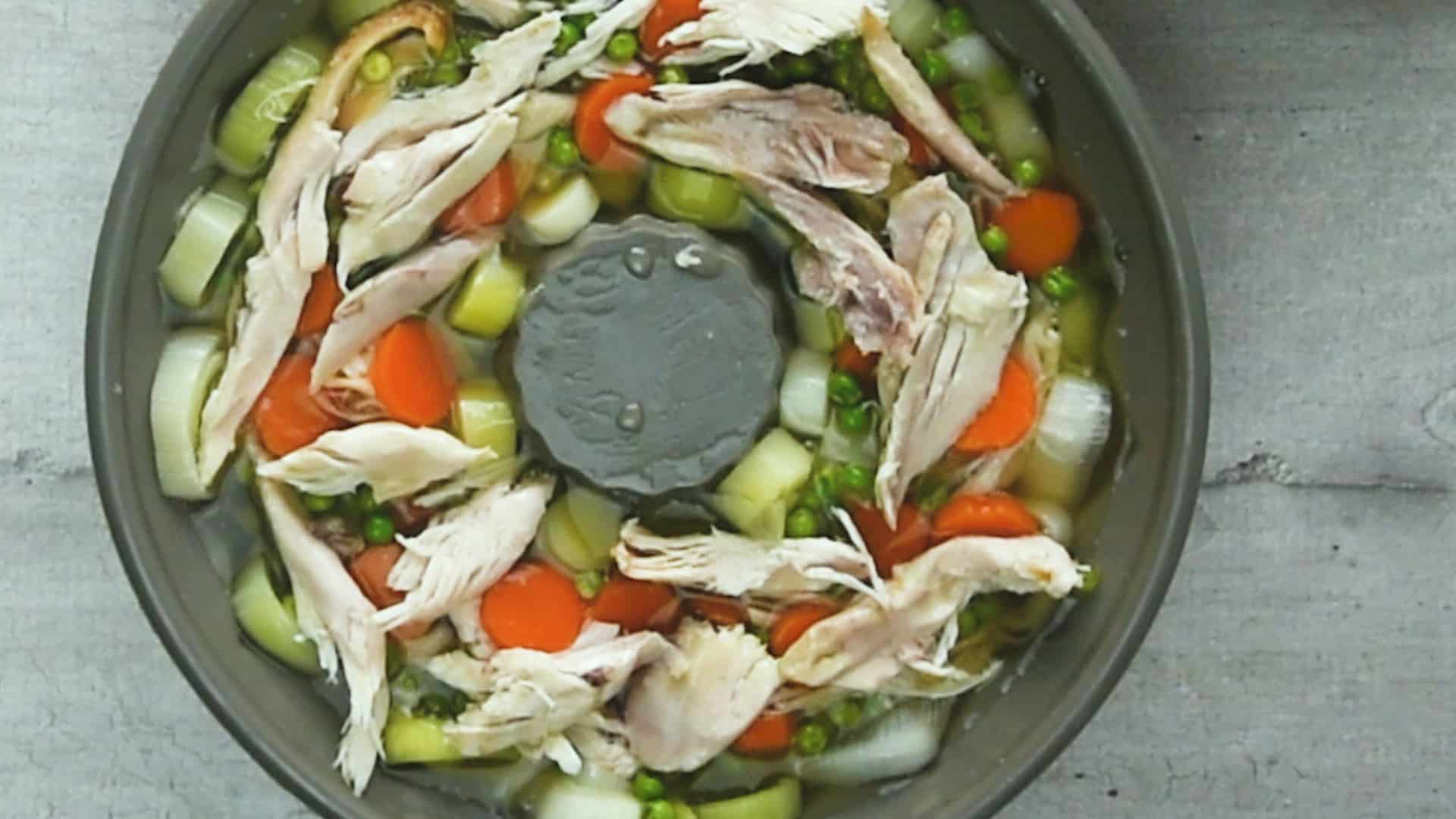
Repeat the process for the last round, adding a mix of chicken, peas, and carrots.
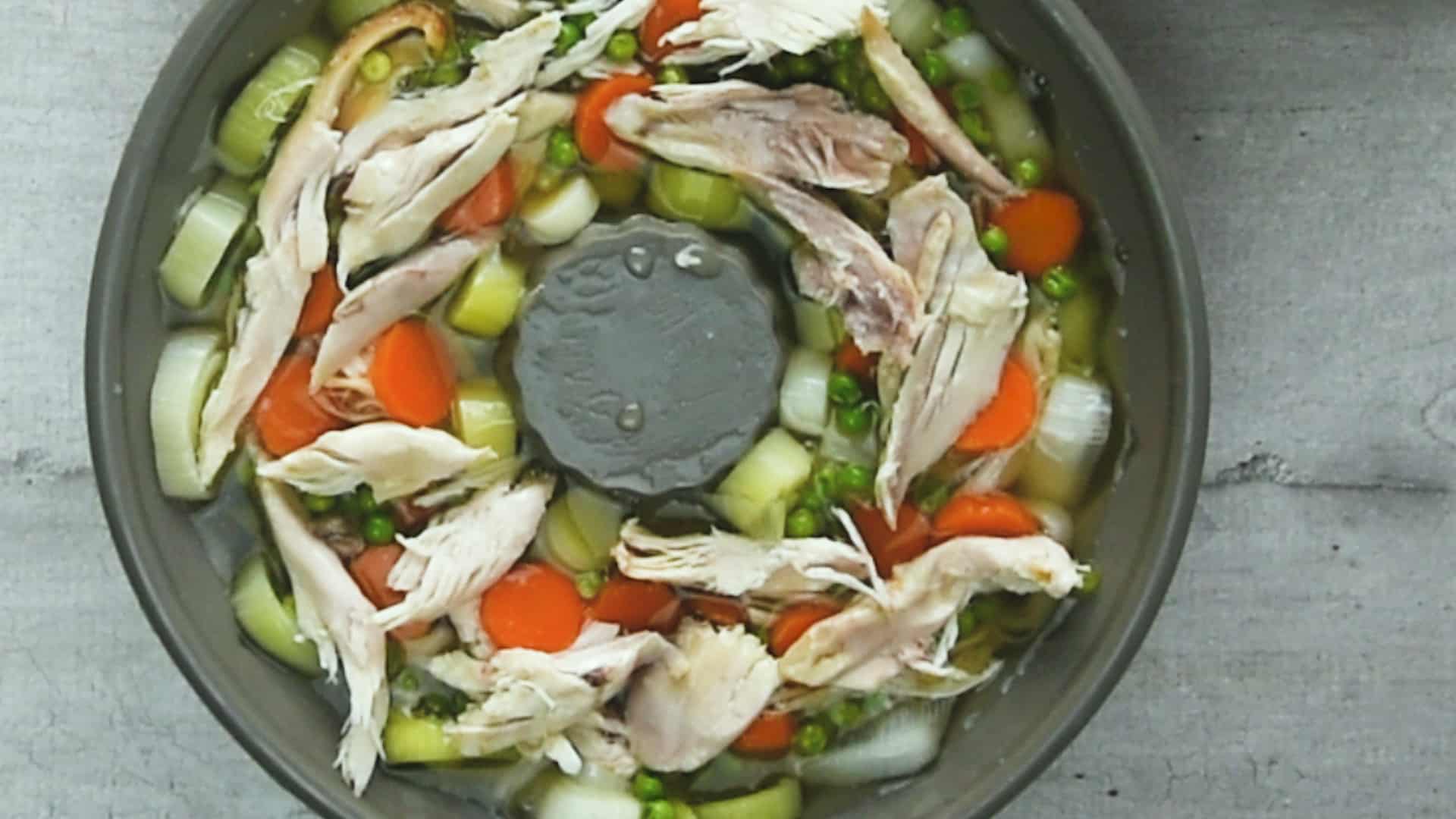
Finish by making a circle with the leeks around the edge or center, depending on your mold shape.
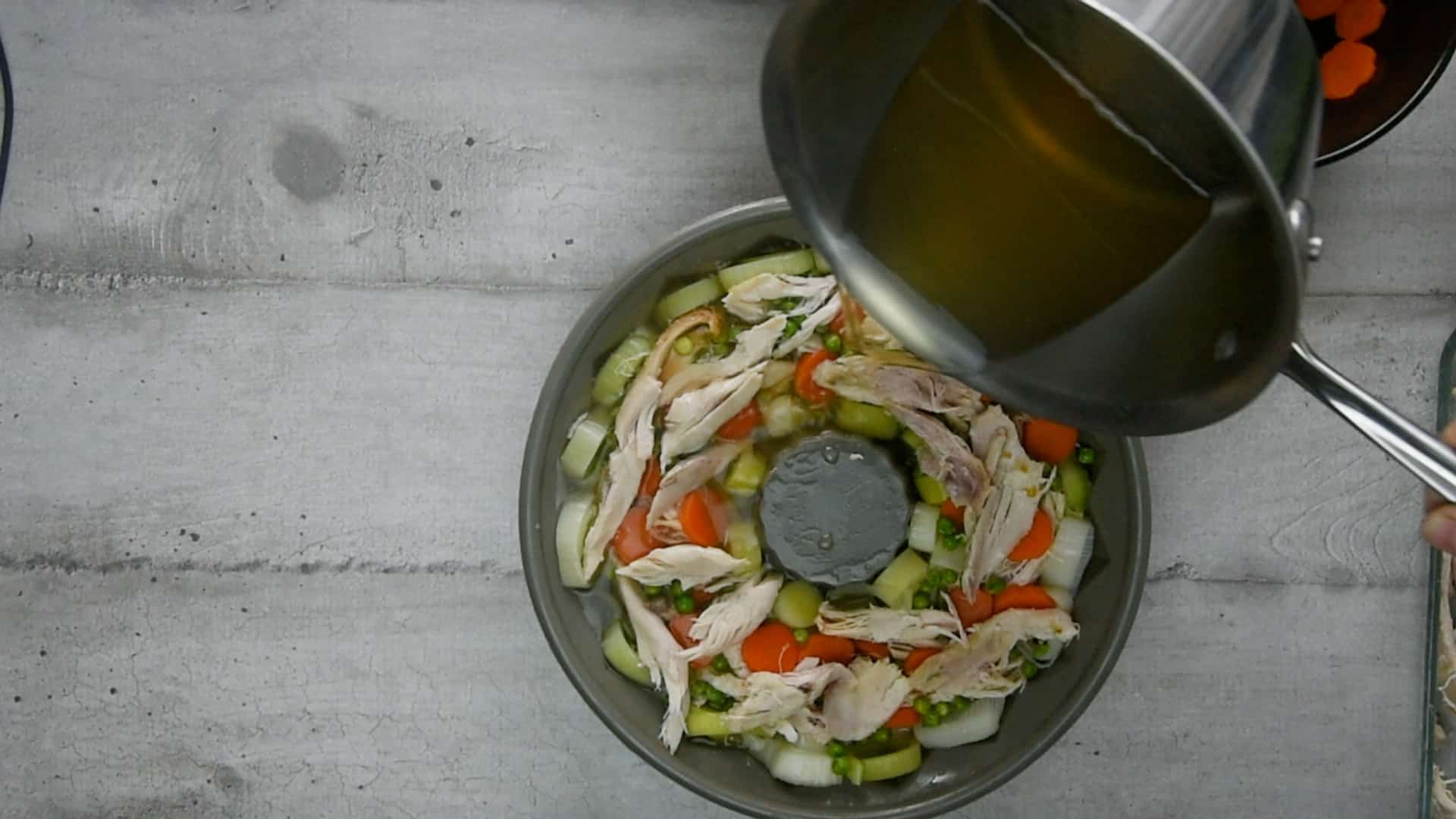
Pour over all the remaining stock and gelatine mixture.
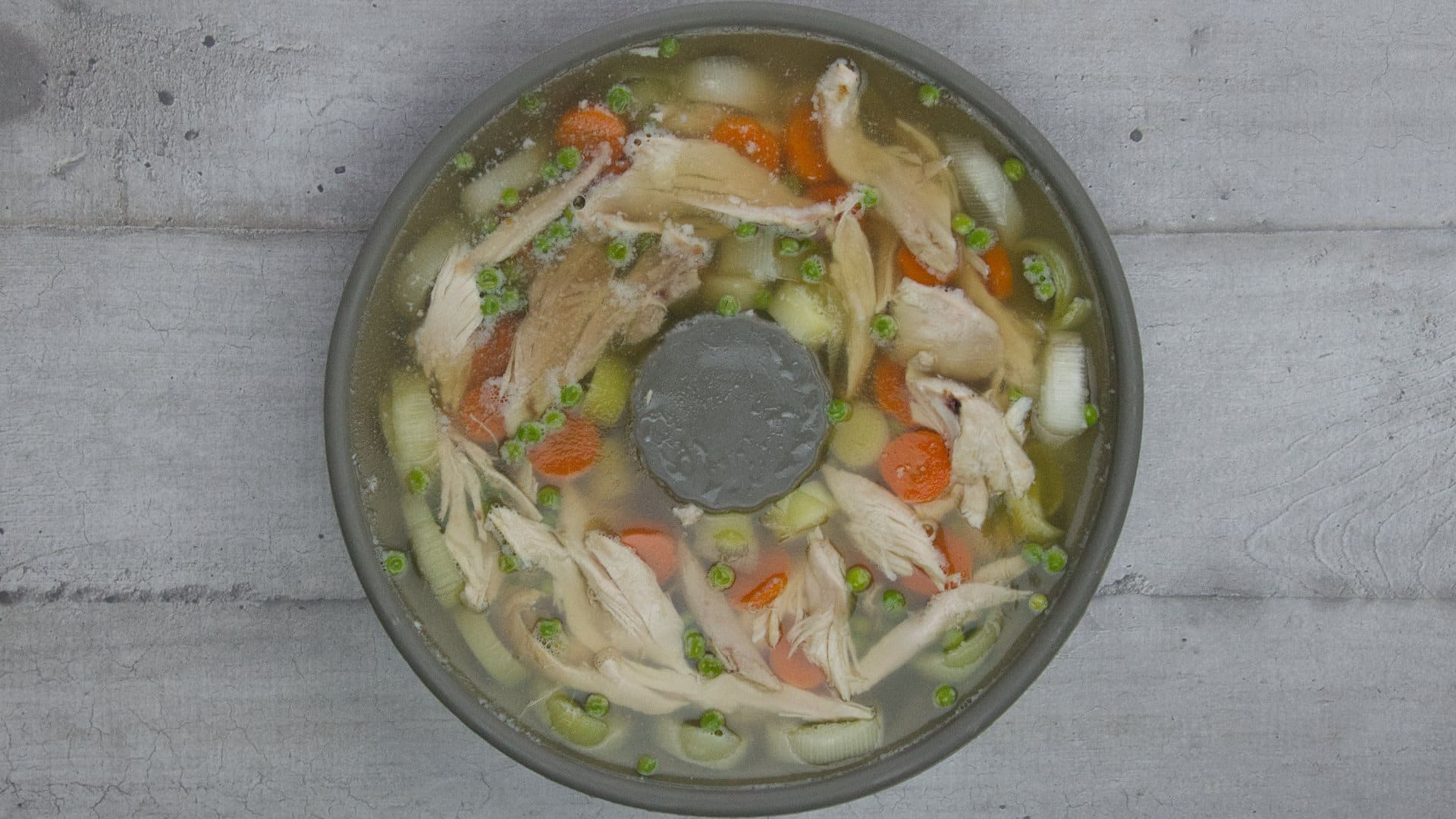
Leave the mold in the fridge overnight to set completely.
Preparing for serving
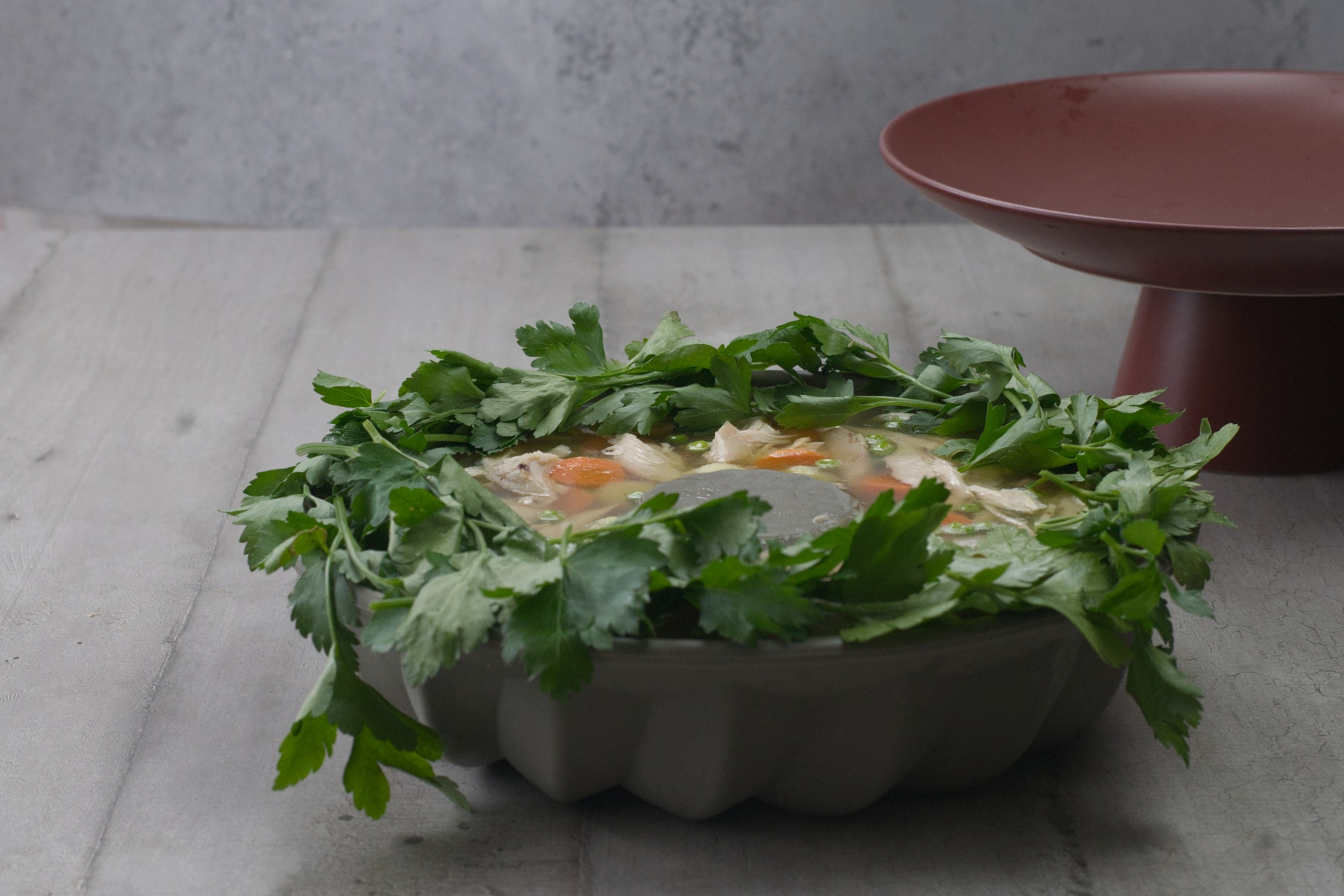
When you are ready to serve, cover the open top of the mold (which will become the base) with fresh parsley leaves.
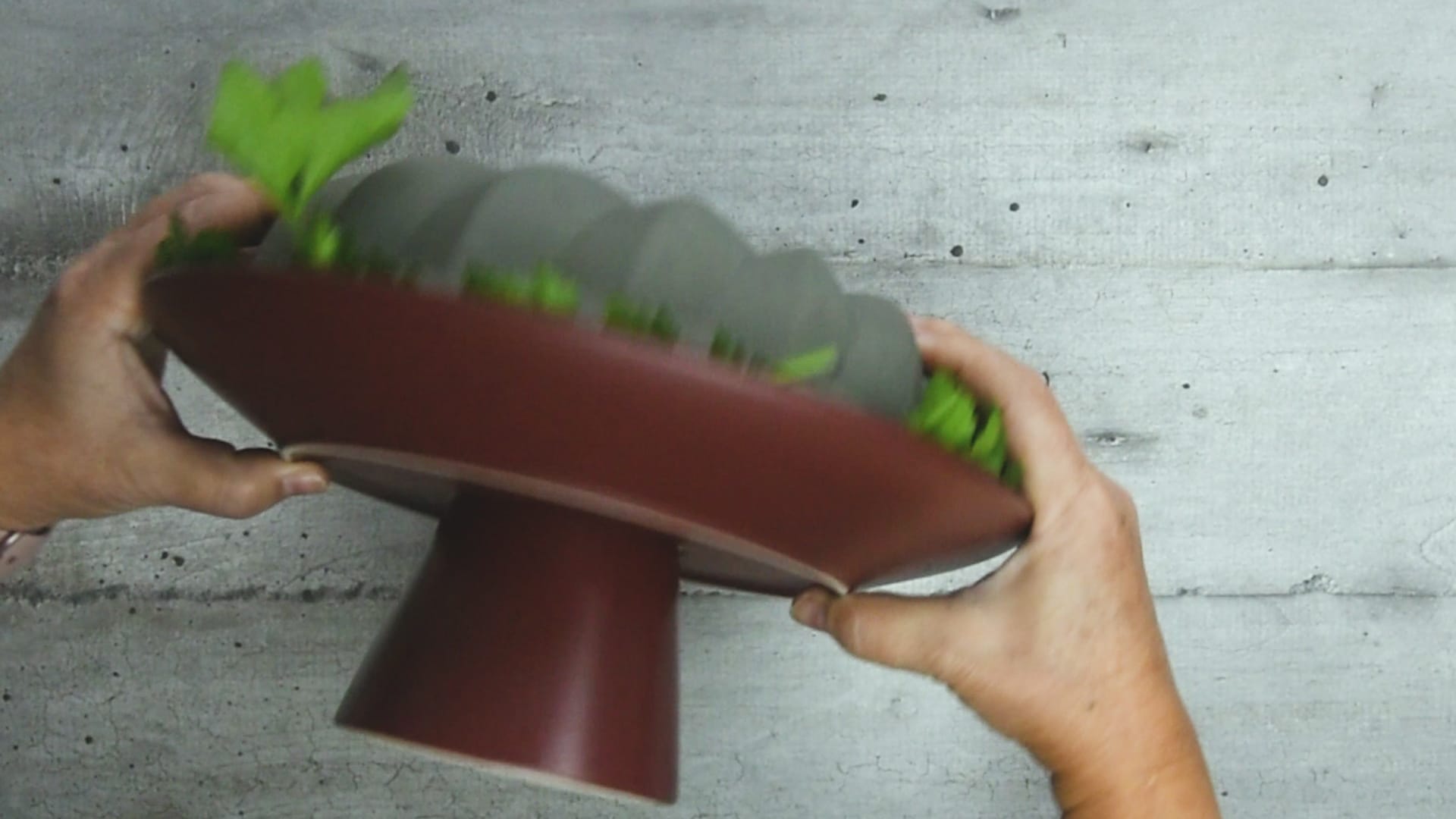
Briefly dip the mold in warm water to loosen it, then carefully turn it upside down onto a serving dish.
Serving Suggestions
If you used a ring mold with a hole in the center, you can fill the empty space with any remaining peas and carrots for a festive look. Serve distinct slices with a side of homemade mayonnaise or aioli.
More cold festive recipes
If you are making any of this chicken Aspic, leave your comment below I would like to hear from you. You can find more delicious ideas if you FOLLOW ME on Facebook, YouTube, Instagram or sign up to my newsletter.
Festive Chicken Aspic (Pollo in Gelatina)
Verified Culinary AuthorityVideo
Ingredients
- 6 cup Chicken stock depening on the size of you mold
- 2 Egg whites
- 16 sheets PerfectaGel Gold Gelatin Sheets
- 1 roasted chicken
For the decoration
- 3 carrots
- 2 cup peas
- 1 leek
- 1 sprig fresh parsley
Instructions
Prepare the vegetables
- Wash the vegetables and cut the carrots and leeks into decorative shapes or slices.
- Boil each vegetable separately in salted water for only 5 minutes. They need to be cooked but must remain nice and firm to hold their shape and color in the jelly.
- Drain and let them cool completely.
Clarifying the stock
- Whisk the egg whites in a bowl until frothy
- Combine them with the cold stock in a pot.
- Bring to a slow simmer. Do not stir once the "raft" of egg whites forms on the surface. Let it simmer gently for 45 minutes
- Filter the liquid through a cheesecloth, discarding the egg whites.
Preparing the gelatine
- In a small pot, warm up 100 ml (scant ½ cup) of the clarified stock and dissolve the gelatine sheets into it (using the ratio indicated on your box, or roughly 1.5 sheets).
- Pour this liquid into the bottom of your mold to form the top layer of your aspic.
- Place the mold in the fridge and leave it to solidify for 30 minutes.
- Remove the mold from the fridge. Decorate the set layer with fresh parsley leaves, arranging them artistically as this will be the face of the dish (remember they will be upside down).
- Prepare another 100 ml of stock, dissolve the necessary gelatine, and gently pour it over the parsley.
- Return to the fridge to solidify for another 30 minutes.
- Remove from the fridge and place the carrot slices on top of the set jelly.
- Cover with more prepared stock and gelatine mixture, then put back in the fridge to set.
- For the next layer, add the chicken pieces mixed with the peas.
- Cover with more stock and gelatine mixture and return to the fridge.
- Repeat the process for the last round, adding a mix of chicken, peas, and carrots.
- Finish by making a circle with the leeks around the edge or center, depending on your mold shape.
- Pour over all the remaining stock and gelatine mixture.
- Leave the mold in the fridge overnight to set completely.
Preparing for serving
- When you are ready to serve, cover the open top of the mold (which will become the base) with fresh parsley leaves.
- Briefly dip the mold in warm water to loosen it, then carefully turn it upside down onto a serving dish.
Leave a Reply