
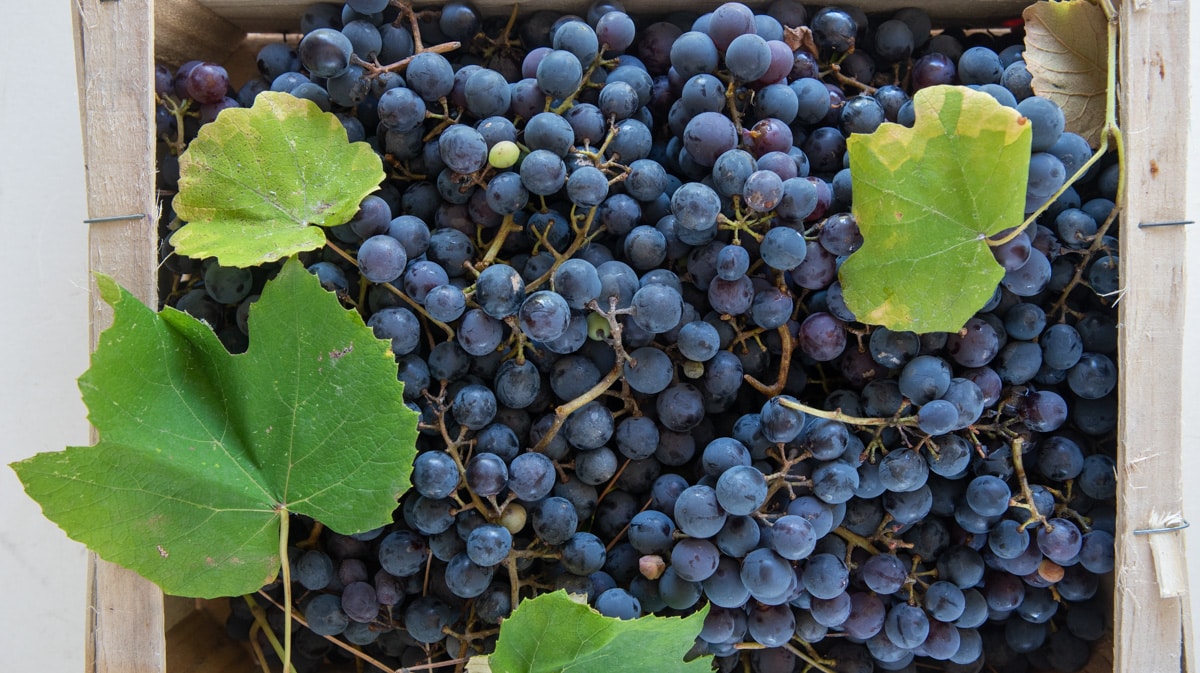
Every September, I eagerly await the arrival of Concord grapes, my favorite fruit since childhood. Known for their "slip-skin" property-where the skin effortlessly separates from the pulp-these grapes are perfect for a wide range of recipes, from jams and jellies to sorbet and wine. While celebrated in the United States and Italy as Uva Fragola, Concord grapes face a unique controversy in Europe. Due to their strict winemaking traditions, European regulations historically banned their commercial use in wine. However, I had the opportunity to taste the homemade fragolino wine and I found it amazing.
Origin and Species
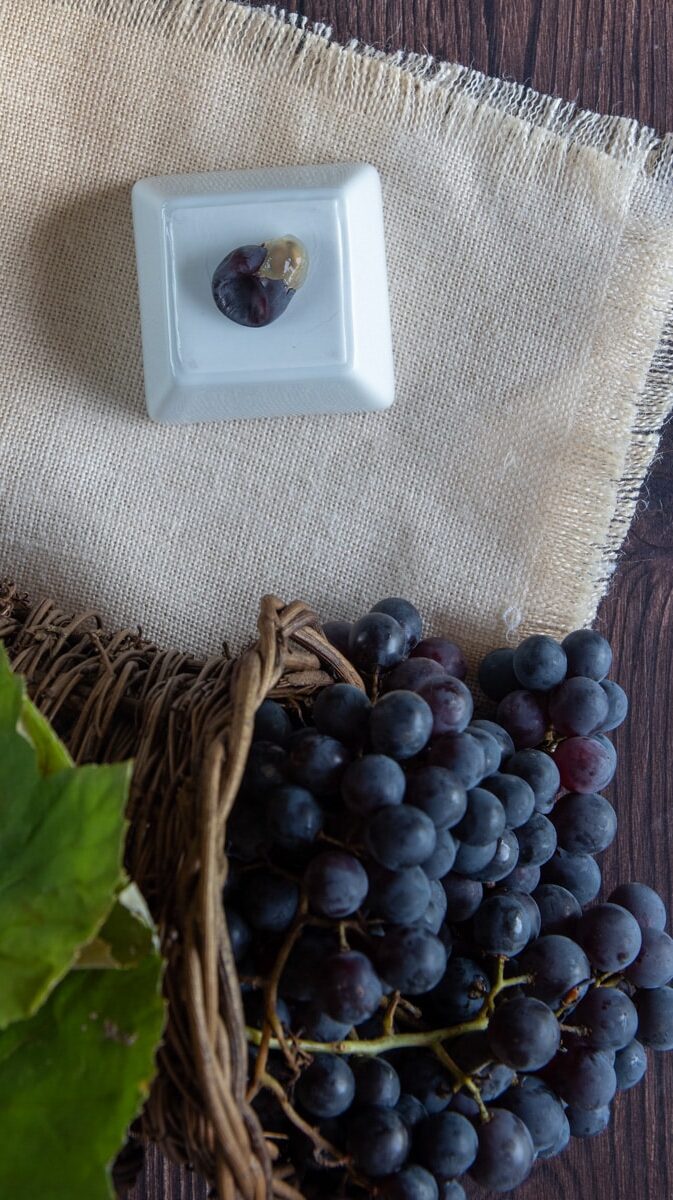
The Concord grape, a cultivar of the American species Vitis labrusca, is a unique hybrid developed in 1849 by Ephraim Wales Bull in Concord, Massachusetts.
Known colloquially as the "fox grape" due to its musky aroma, it was carefully cultivated after Bull evaluated over 22,000 seedlings to select the ideal vine.
This grape is a product of hybridization, with approximately one-third of its genetic identity derived from Vitis vinifera, including the Catawba cultivar.
The Concord grape became a staple in the United States for its distinct flavor and versatility in culinary applications.
Aromatic and Physical Characteristics
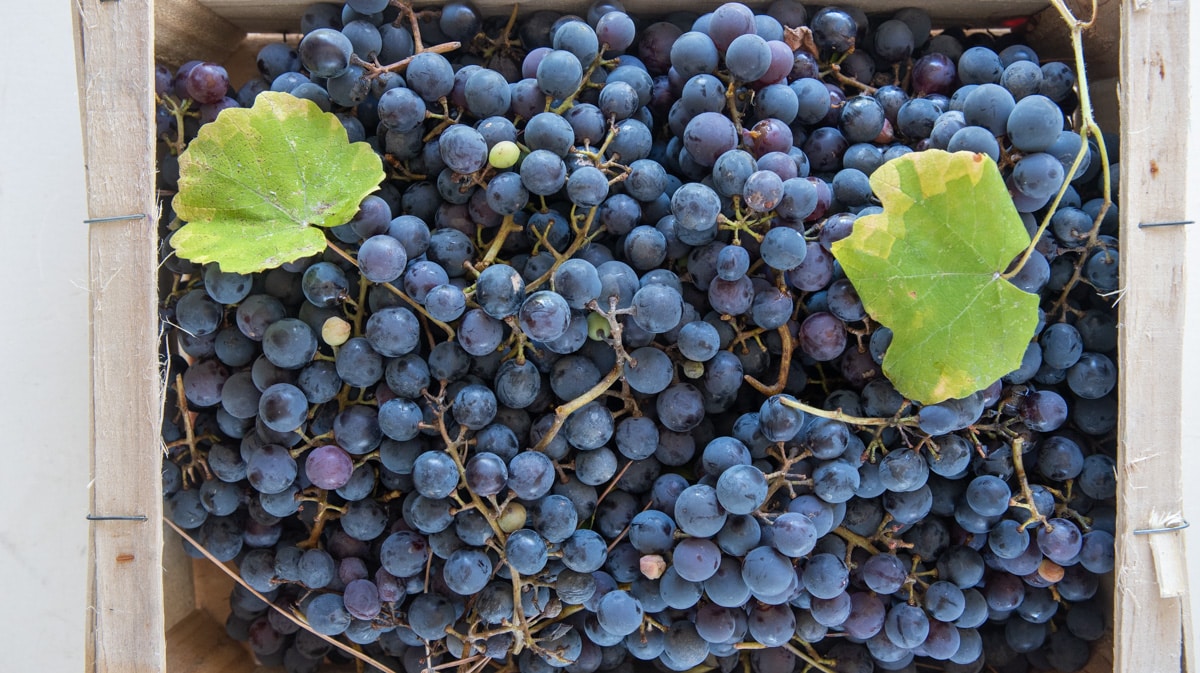
The Concord grape stands out for its "slip-skin" property, where the skin easily separates from the pulp, making it ideal for processed foods like jams and juices, but challenging for winemaking.
Its unique "foxy" flavor, caused by the compound methyl anthranilate, gives it a musky, pungent profile beloved in American cuisine but considered undesirable in European wines.
Chemically, Concord grapes are low in sugar, high in acid, and rich in pectin.
These traits necessitate interventions like chaptalization (adding sugar) and the use of pectic enzymes in winemaking, making it a challenging grape for traditional wine production.
Introduction to Europe
They were introduced to Europe in the late 19th century to combat the phylloxera epidemic by grafting European Vitis vinifera vines onto disease-resistant American rootstock. H
However, Concord grapes were banned for commercial winemaking due to their "foxy" flavor, higher methanol content, and their incompatibility with Europe's strict wine regulations, such as the Appellation d'Origine Contrôlée (AOC) system.
By the mid-20th century, France required all vineyards of Vitis labrusca varieties to be uprooted, with the European Union later formalizing these restrictions.
Presently, while small-scale cultivation for personal use is often tolerated, Concord grapes remain prohibited for commercial wine production in Europe.
Italian Recipes with Concord Grapes
Concord grapes, known as Uva Fragola in Italy, are celebrated for their versatility in both sweet and savory dishes.
In the United States, Concord grape jelly is the key ingredient in the classic peanut butter and jelly sandwich..
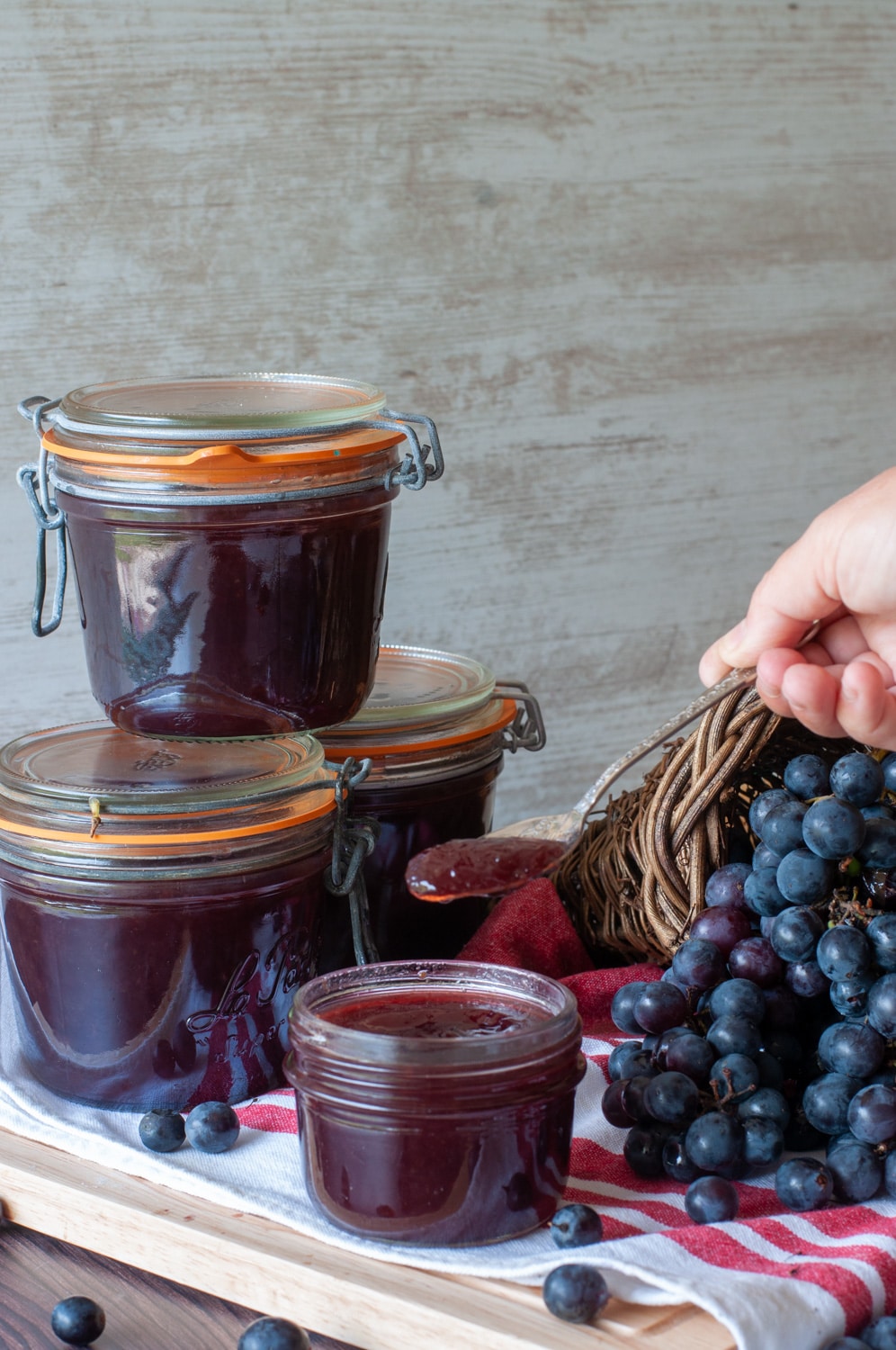
The "slip-skin" property of Concord grapes, where the skin easily separates from the pulp, combined with their high pectin content, makes them perfect for creating jams and jellies.
In Italian cuisine, the juice of Concord grapes is traditionally used to make refreshing sorbetto (sorbet), highlighting the grape's bold flavor and natural sweetness.
Concord grape jam or jelly is often used in crostata (jam tarts), a popular Italian dessert.
Beyond sweets, the jelly also shines in savory applications, such as being used to deglaze a roasted ham, creating a tangy, flavorful glaze that pairs beautifully with the meat.
Europe's Prohibition: A Detailed Analysis of the Ban
The prohibition of Concord grapes and other Vitis labrusca varieties in Europe dates back to the mid-20th century and was driven by historical, legal, and cultural factors.
Initially introduced to Europe in the late 19th century to combat the phylloxera epidemic, American grape species like Concord provided disease-resistant rootstock that saved European vineyards.
However, by the 1930s and 1950s, the use of these grapes for winemaking was banned in France and other countries as part of an effort to protect the European wine industry's reputation and elevate the perceived quality of its wines
Legal Framework
Under European Union regulations, winemaking is restricted to an approved list of grape varieties, which primarily includes Vitis vinifera.
American varieties like Concord, classified under Vitis labrusca, are excluded from this list.
As a result, the commercial production and sale of wine made from Concord grapes are prohibited.
In France, for instance, vineyards with Vitis labrusca varieties were ordered to be uprooted by 1956, and Italy followed suit with similar restrictions in the early 1980s.
Even today, wines made from Concord grapes cannot legally be labeled or marketed as "wine" under the strict definitions of the EU's Appellation d'Origine Contrôlée (AOC) system.
Cultural and Sensory Basis
The ban also reflects a cultural and sensory bias.
The "foxy" flavor of Concord grapes, caused by methyl anthranilate, is considered unrefined and undesirable by the European wine community.
This flavor profile, associated with rustic or low-quality wines, clashed with the European emphasis on elegance and complexity in traditional Vitis vinifera wines .
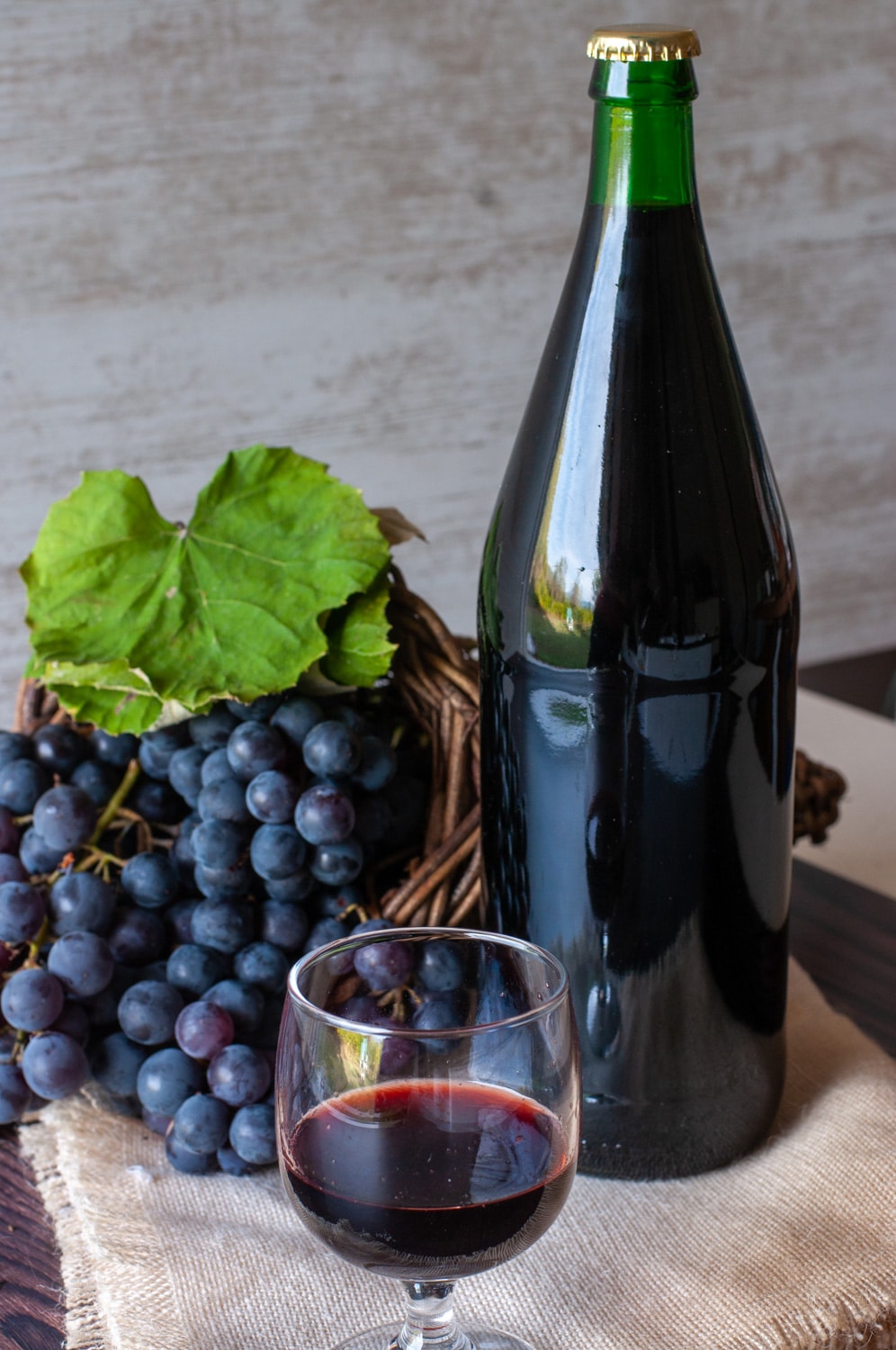
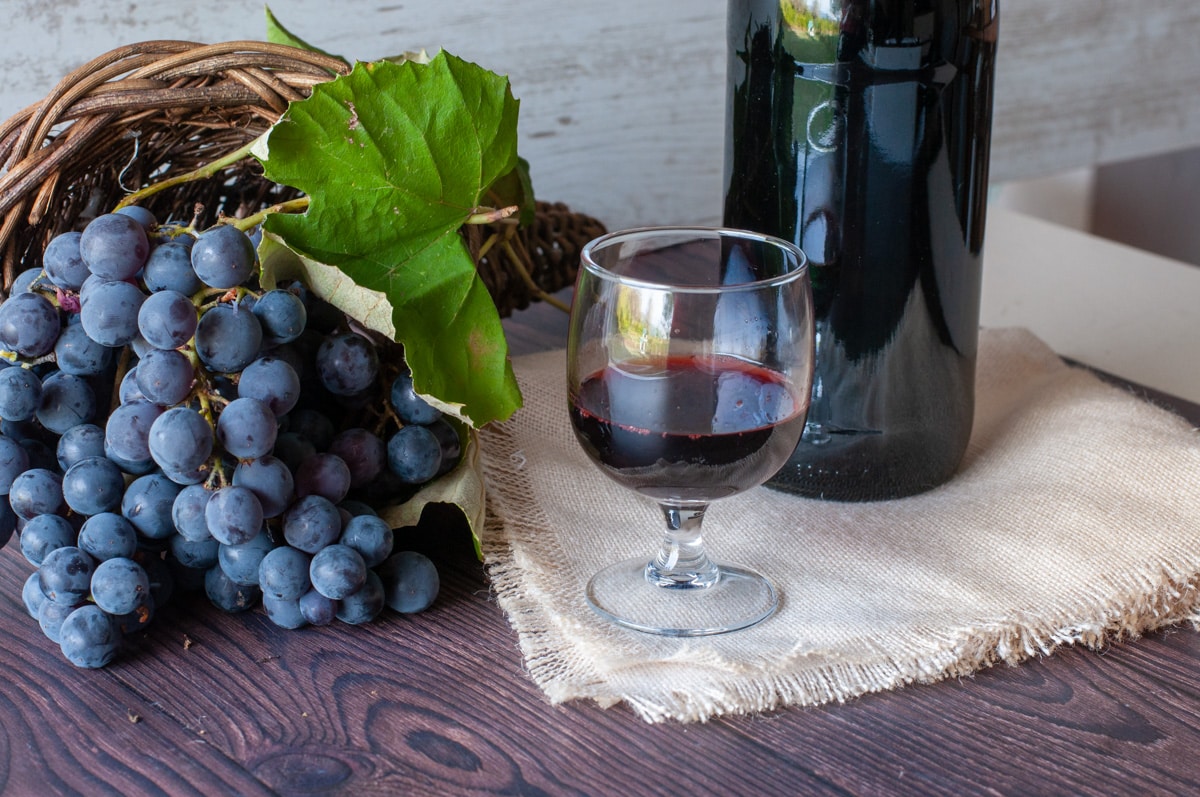
However, I had the luck to taste the real fragolino, homemade by a farmer from Calabria, and the flavor was delicious and unforgettable.
The "Methanol & Toxicity" Fallacy
While the ban was officially justified in part by claims that wines made from Vitis labrusca had higher methanol levels, this concern has been widely contested.
Later studies found that these fears were exaggerated and that the true motivations behind the prohibition were economic and cultural.
The ban aimed to regulate overproduction, protect the dominance of Vitis vinifera, and maintain the reputation of European wines.
Claims of "tannin toxicity" or health risks related to Concord grapes have been debunked as myths propagated to support these regulatory measures.
Current Status
Today, commercial winemaking with Concord grapes remains prohibited within the EU, although growing these grapes for personal consumption is often tolerated.
Some relaxation of hybrid grape restrictions has occurred in recent years, but the cultural bias against the "foxy" flavor of Vitis labrusca limits its acceptance in European viticulture.
If you have tried any of the concord grape recipes or wine, leave your comment below I would like to hear from you. You can find more delicious ideas if you FOLLOW ME on Facebook, YouTube, Instagram or sign up to my newsletter.


Leave a Reply