
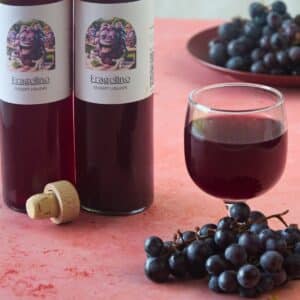
Concord grape wine, known as Fragolino, is a sweet, aromatic dessert wine with an intense natural strawberry flavor distinctive to this grape, in Italy called Uva Fragola. Unfortunately, it has been banned in Europe and cannot be produced commercially. Fortunately, as my cousin is an agronomist working with Italian farmers, I was able to get the secret recipe directly from them.
Jump to:
The "Forbidden" Wine of the Italian Countryside
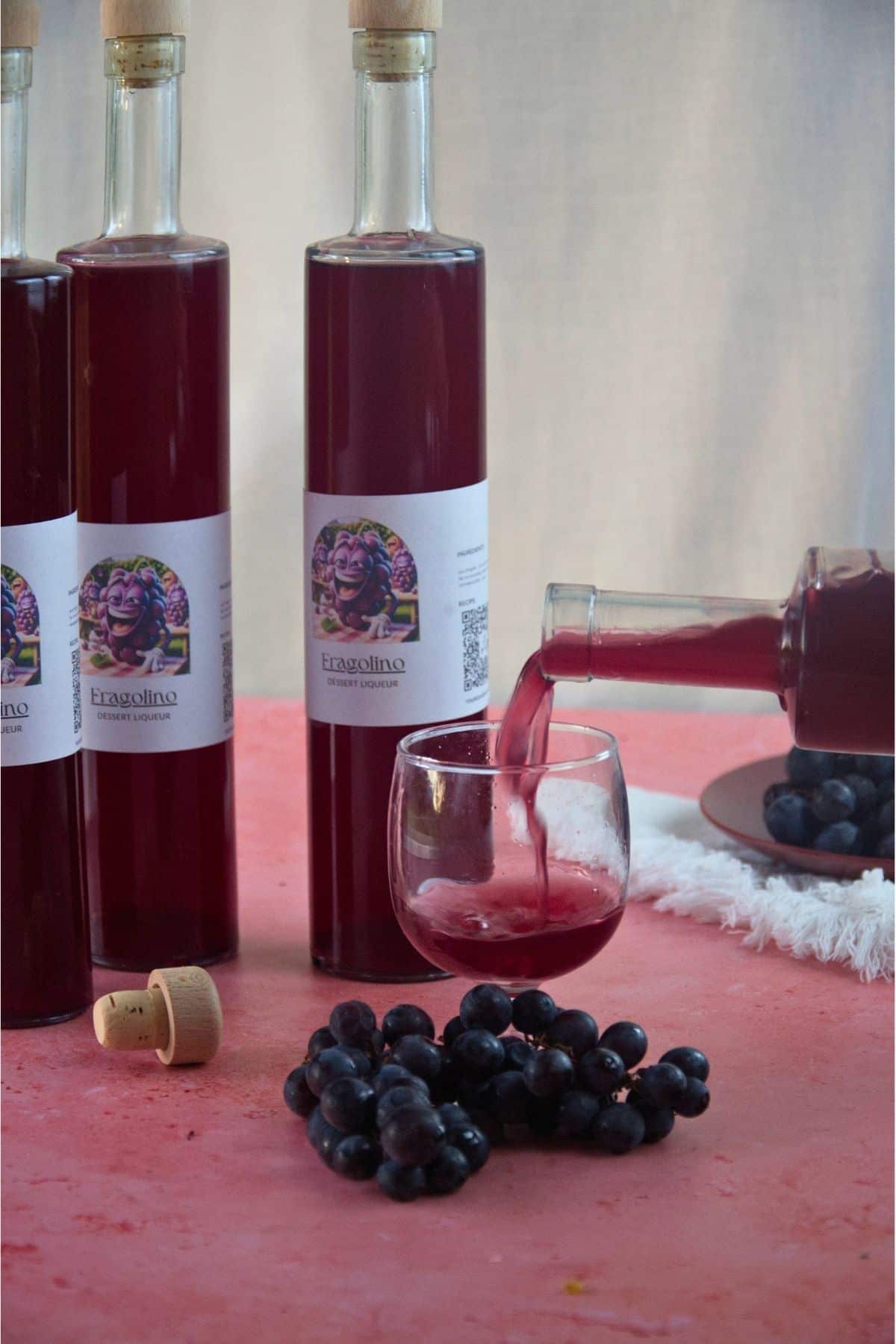
Fragolino is a legendary red wine with an unmistakable strawberry aroma, produced from the Concord grape, known in Italy as Uva Fragola.
Commercially, this wine is banned in Europe due to strict laws regarding non-European grape varieties and market competition, making it a rare treat found only in private homes.
I used to think making it was too difficult until my cousin, Roberto Lombi, shared his secret.
As an agronomist in Calabria, he works directly with local farmers who have mastered the art of fermenting this tricky "skin-slip" grape.
He gave me their specific method to avoid bitter tannins, and after testing it myself, I can confirm the result is extraordinary.
It is a sweet, aromatic wine that connects you directly to the traditions of the Italian countryside.
For more on how local ingredients shape our traditions, you can read A History of Italian Cuisine: Exploring Regional Food Traditions.
Although I had a large quantity of Concord grape, so I made these other recipes I am sure you will like to try instead: Grape jam, Concord grape jelly and Concord grape Sorbetto.
Ingredients
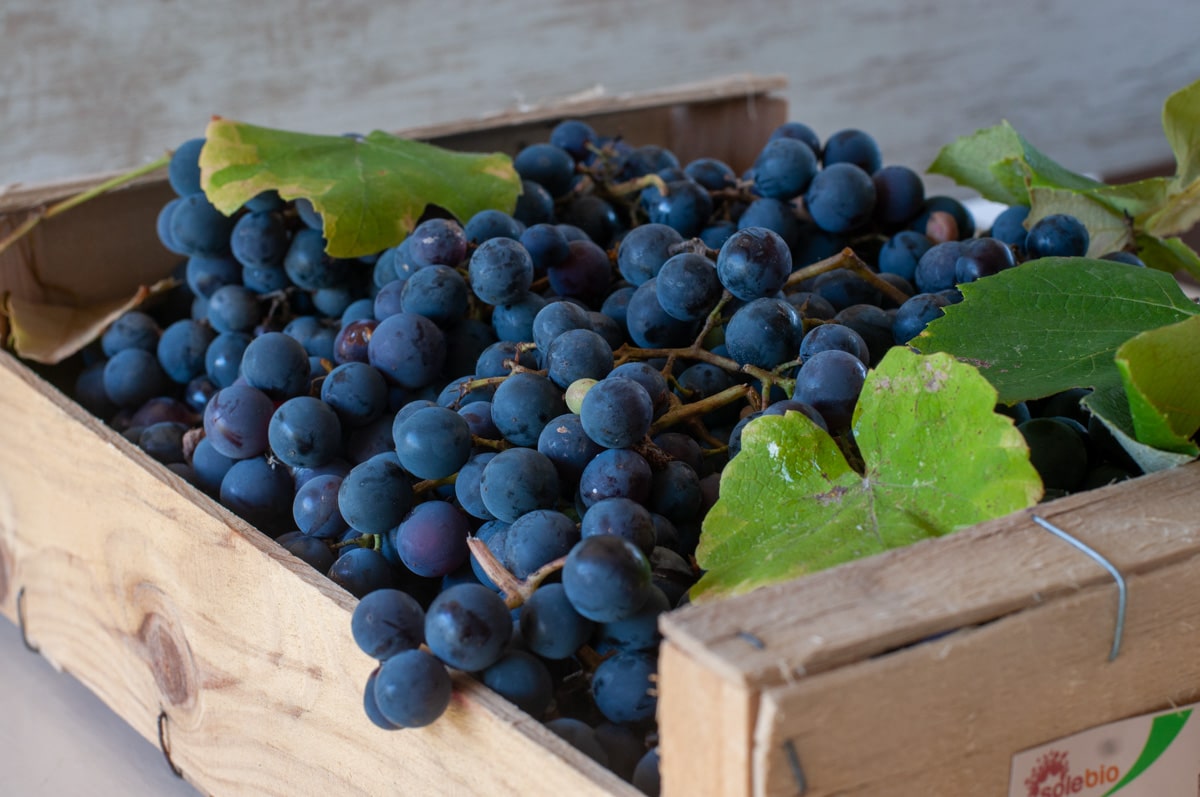
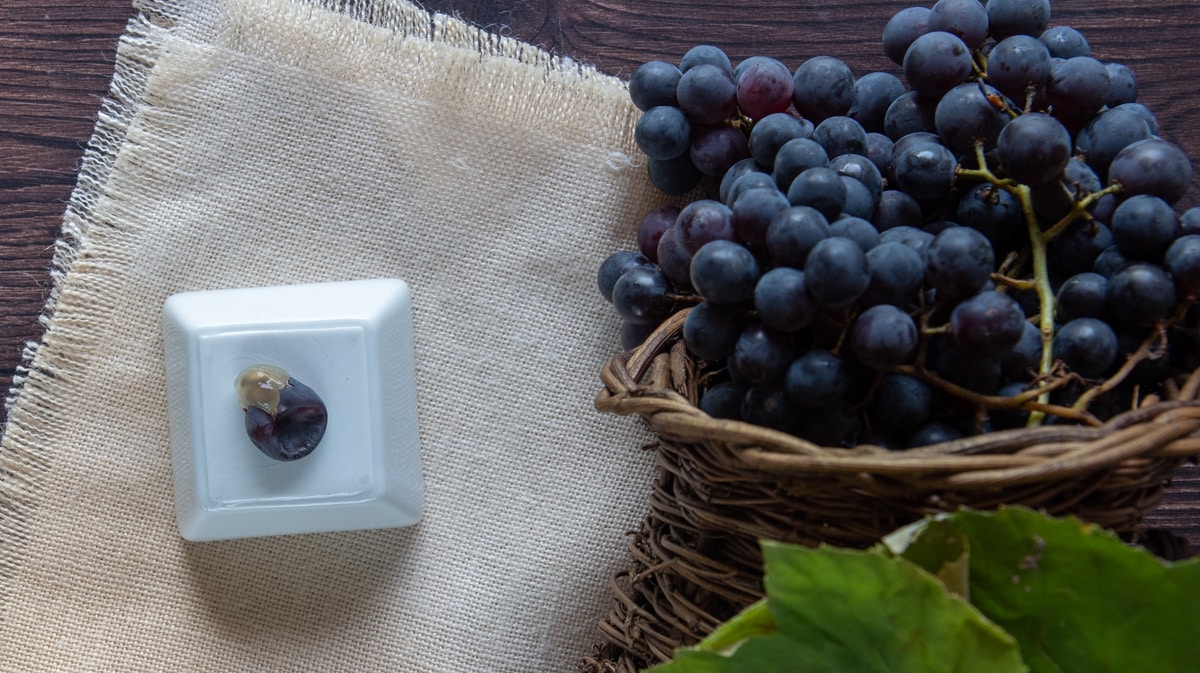
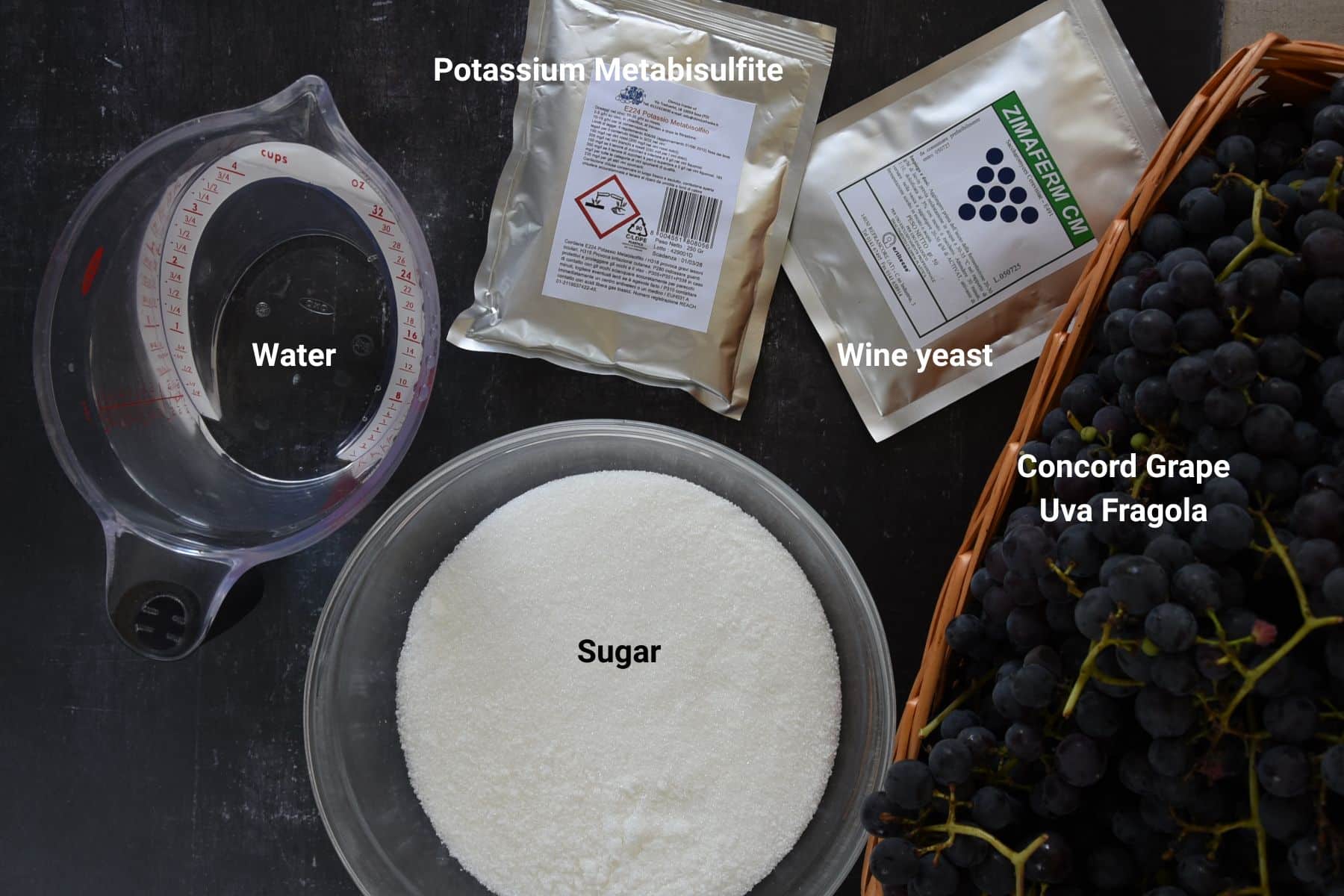
- Concord grapes (Uva Fragola): The star of the recipe. These must be destemmed and washed to provide the juice and unique strawberry aroma.
- White sugar: Dissolved in water, this provides the food for the yeast to begin fermentation.
- Fresh water: Used to create the sugar syrup for the initial fermentation.
- Wine yeast: Specific winemaking yeast is necessary as natural yeasts on the skins are often insufficient.
- Potassium Metabisulfite: Essential for sanitizing the must to prevent oxidation and bad smells.
- Additional White sugar (optional): Added after the first fermentation if you prefer a sweeter wine.
Why Potassium Metabisulfite is Essential
You might be tempted to skip this ingredient to keep the wine "organic," but for Fragolino, it is necessary.
The skins of Strawberry grapes (Concord) often carry wild yeasts that are rarely good for winemaking.
The Metabisulfite acts as a sanitizer, killing these unwanted yeasts and bacteria to ensure that only the selected, high-quality wine yeast ferments your juice.
Additionally, adding it before bottling acts as a preservative, preventing the wine from oxidizing, turning into vinegar, or developing unpleasant smells as it ages.
Important Safety Warning: Potassium Metabisulfite is a chemical that must be handled with precision.
You must carefully read the manufacturer's instructions regarding dosage limitations on the package.
Exceeding the recommended limits is dangerous and can ruin the wine's flavor or cause allergic reactions.
Do not "eyeball" this ingredient; stick strictly to the gram measurements provided or the specific limits listed on your product's label.
Equipment
To make this wine at home without a dedicated cellar, I recommend using a comprehensive starter kit.
You can find a perfect set on Amazon: The Home Brew Ohio Upgraded 1 Gallon Wine From Fruit Kit.
It contains all the essential hardware you need to start and finish the fermentation process.
Here is the equipment included in the kit that we will use for this recipe:
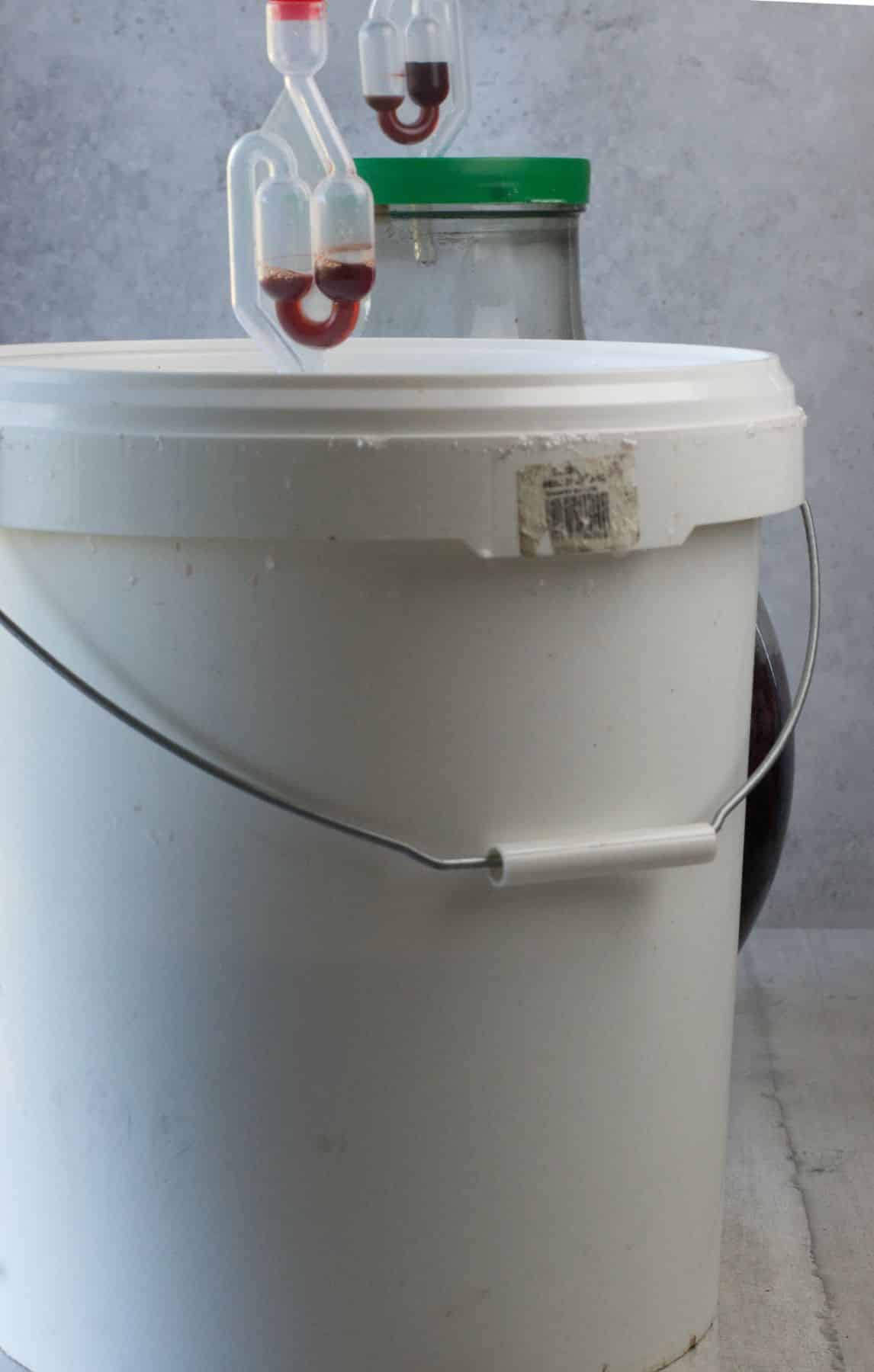
- 2 Gallon Bucket With Grommeted Lid: This is your primary fermenter. It is made of food-safe plastic and includes a pre-drilled lid that fits the airlock, allowing gases to escape during the initial fermentation.
- One Gallon Glass Jug: A durable secondary fermenter used for the resting and clearing phases.
- Mini Auto Siphon and Tubing: This is a game-changer compared to manual siphoning. It allows you to pump the wine automatically and features an anti-sediment tip, which is crucial for keeping unwanted material out of your final bottles.
- 3-Piece Econolock and Rubber Stopper: These fit snugly into your fermenter to create a secure seal, allowing carbon dioxide to escape without letting oxygen or bacteria in.
- Nylon Straining Bag: A coarse bag (10" x 23") that helps you filter the wine and strain out the grape skins and seeds after the first fermentation.
Note on Chemicals: This kit is very comprehensive and includes various additives like Acid Blend, Wine Tannin, Pectic Enzyme, Yeast Nutrient, and cleaning agents like Easy Clean.
While these are standard for many winemakers to adjust acidity or ensure sterilization, I chose to keep this Fragolino authentic and as natural as possible. Therefore, I only utilized the following items from the kit:
- Premier Classique Yeast: The active dry yeast essential for fermentation.
- Campden Tablets: These are Potassium Metabisulfite, used for sanitizing the must and stabilizing the wine (read carefully directions and limitations)
I decided not to use the Yeast Nutrient, Easy Clean, or the other chemical adjusters (Acid Blend, Tannin, Potassium Sorbate).
I preferred to clean my equipment using traditional methods (like boiling water) and relied on the natural richness of the grapes rather than adding artificial nutrients.
Step-by-Step Instructions
Preparation
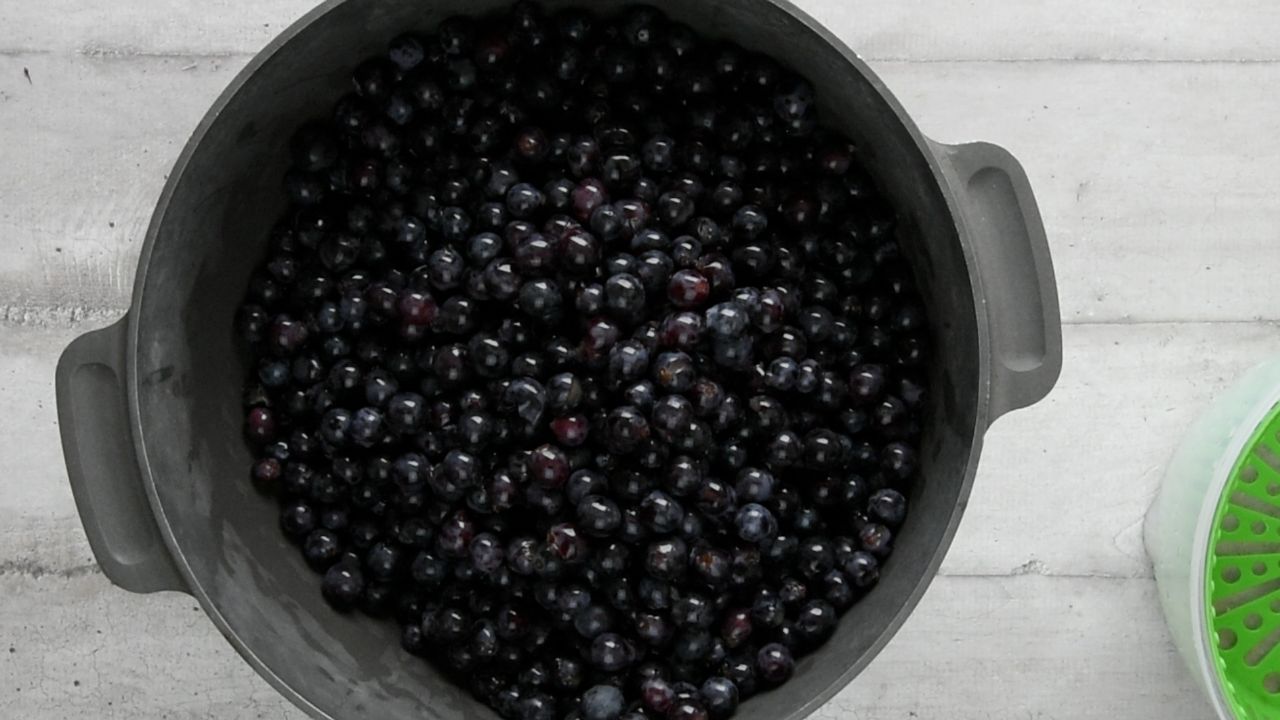
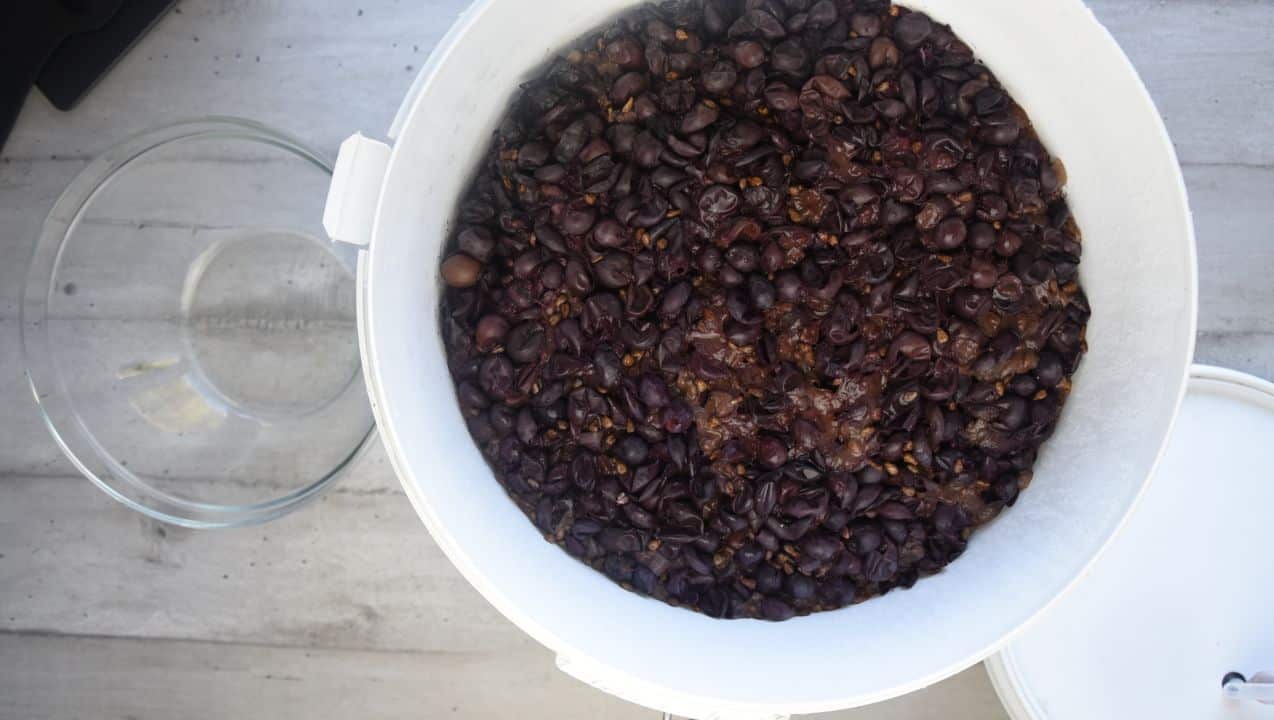
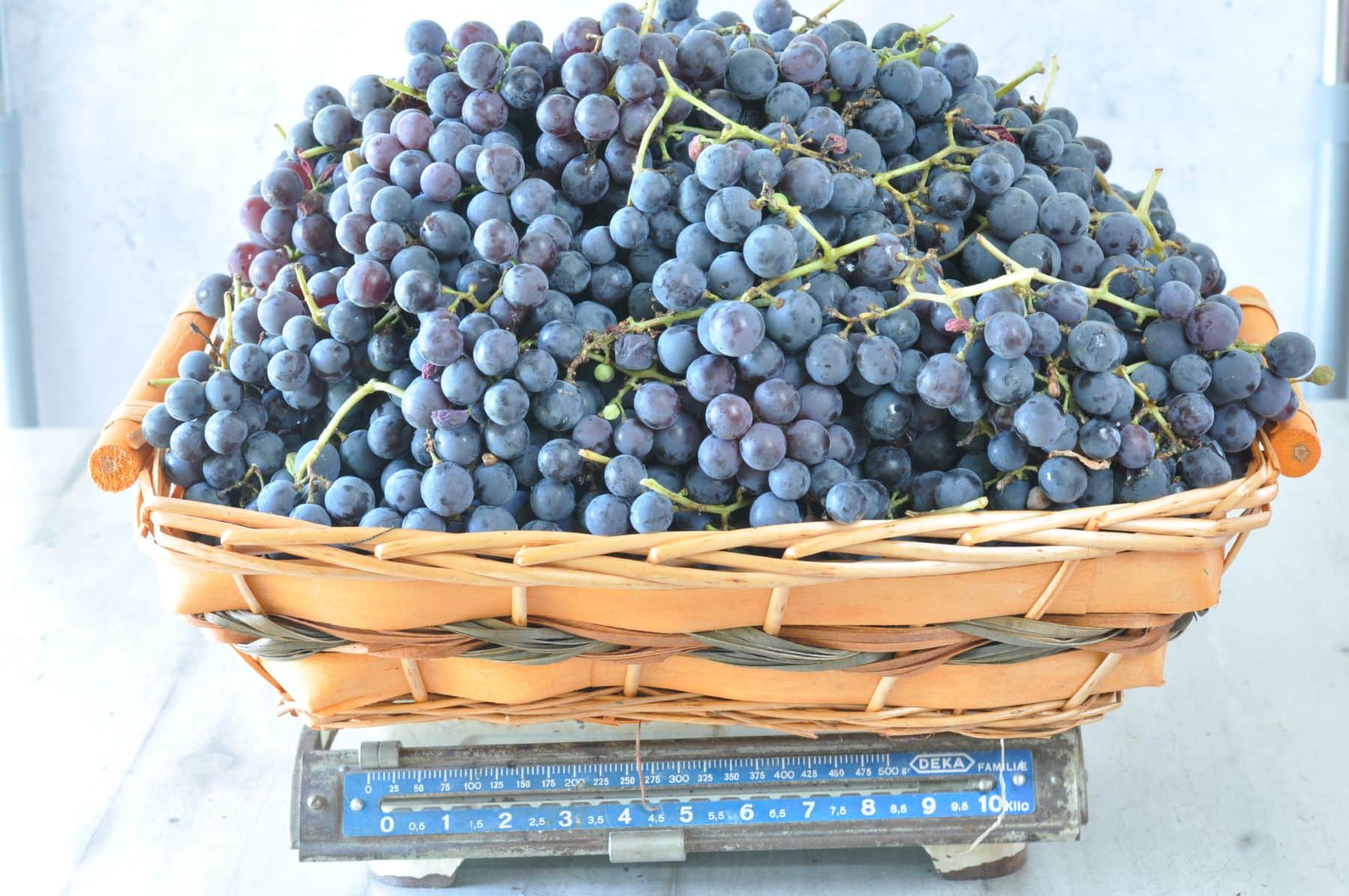
- Remove the grapes from the stems carefully and wash them to ensure they are clean.
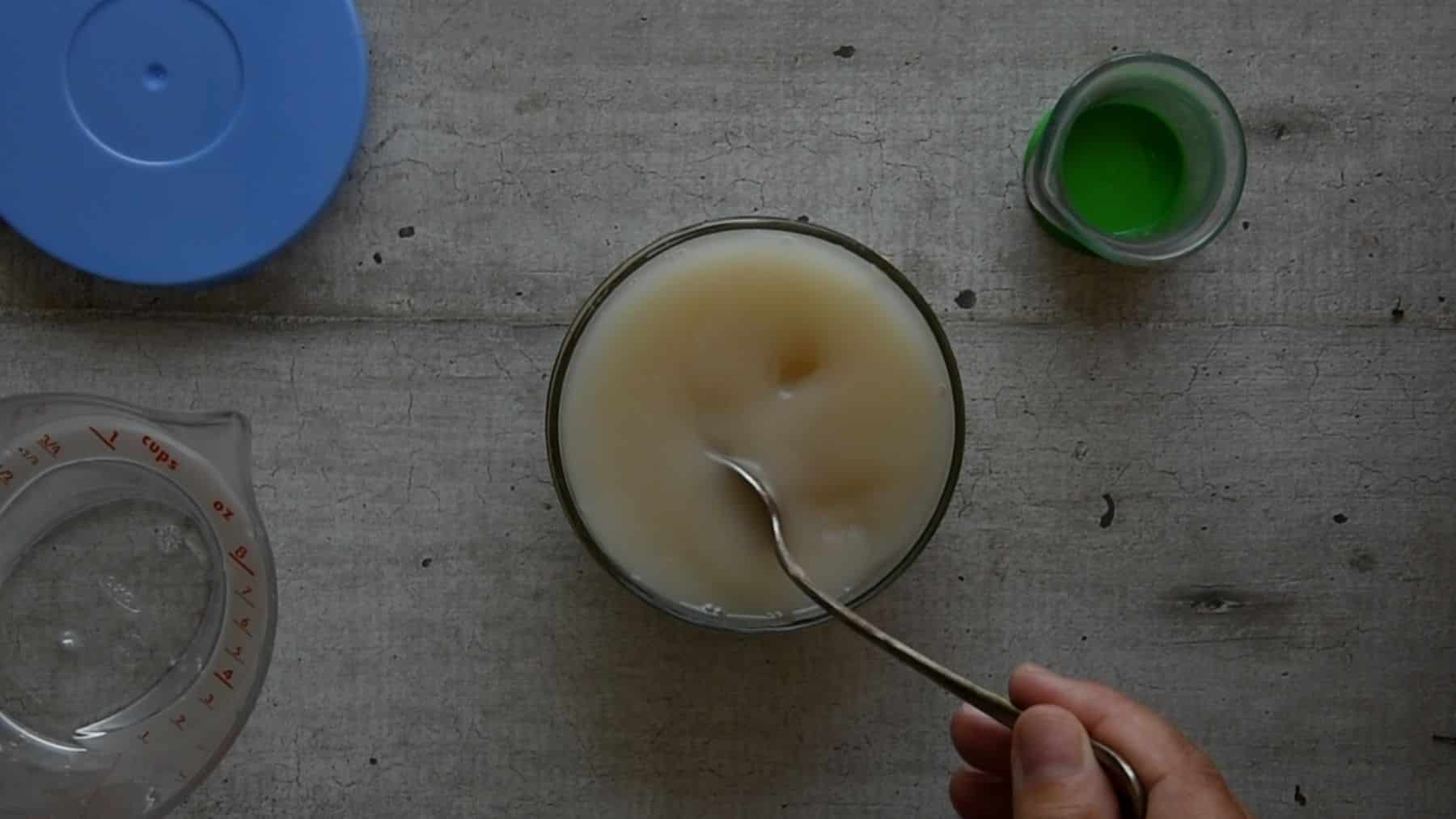
- Dissolve the dehydrated active yeast in ¼ cup of lukewarm water, cover the mixture, and let it sit for 30 minutes to activate.
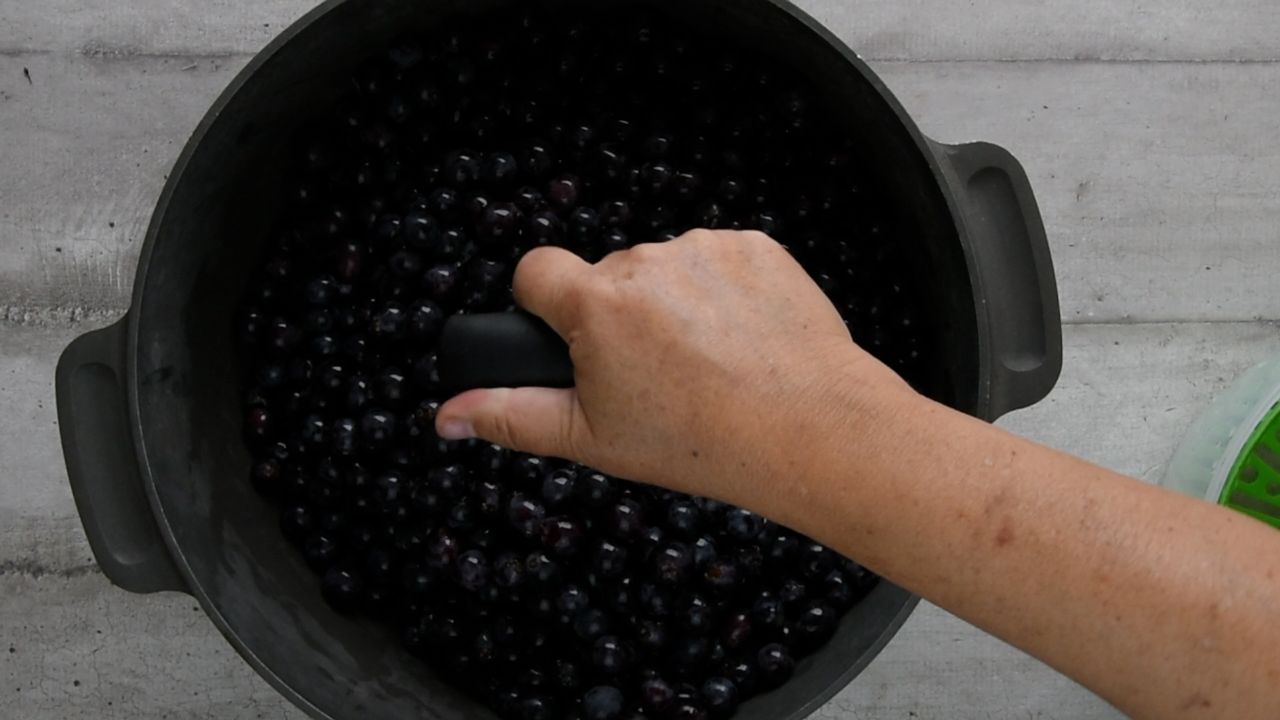
- Crush the grapes thoroughly to release the pulp and juice-using a potato masher works perfectly for this.
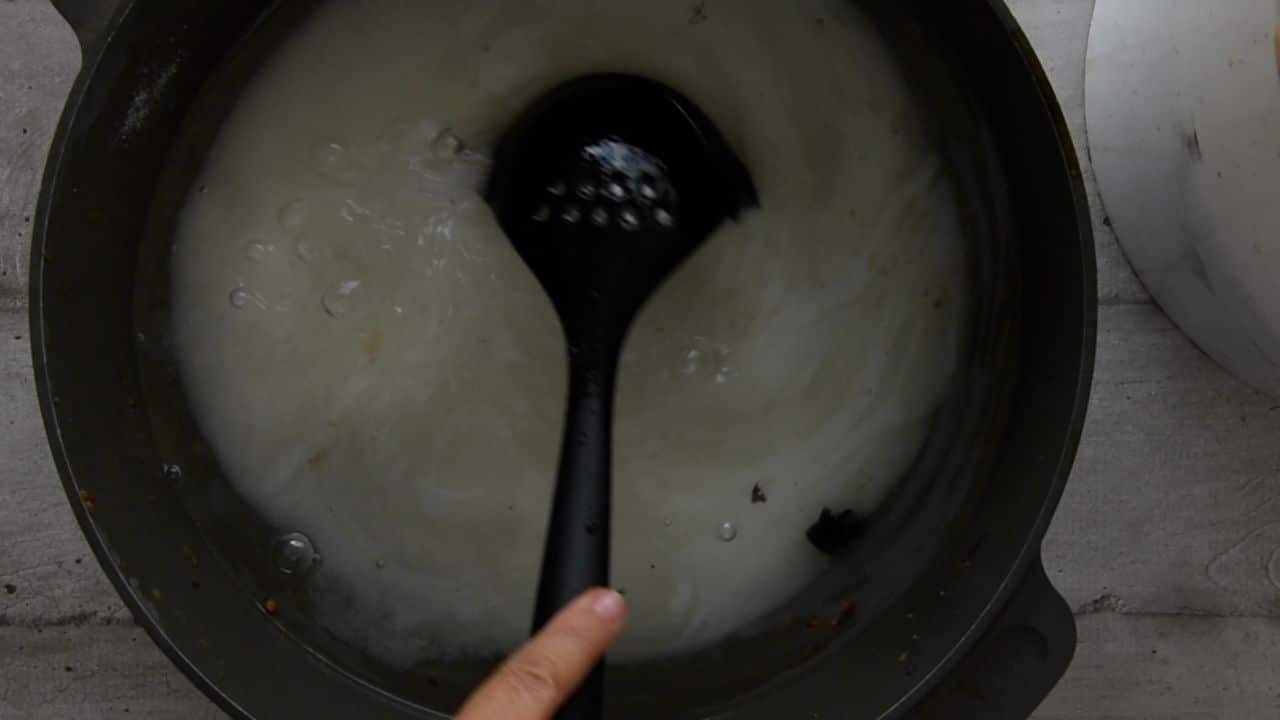
- Dissolve 1 kg (2.2 lbs) of sugar in 1.350 liters (1.43 quarts) of water in a separate container to create a syrup.
Fermentation
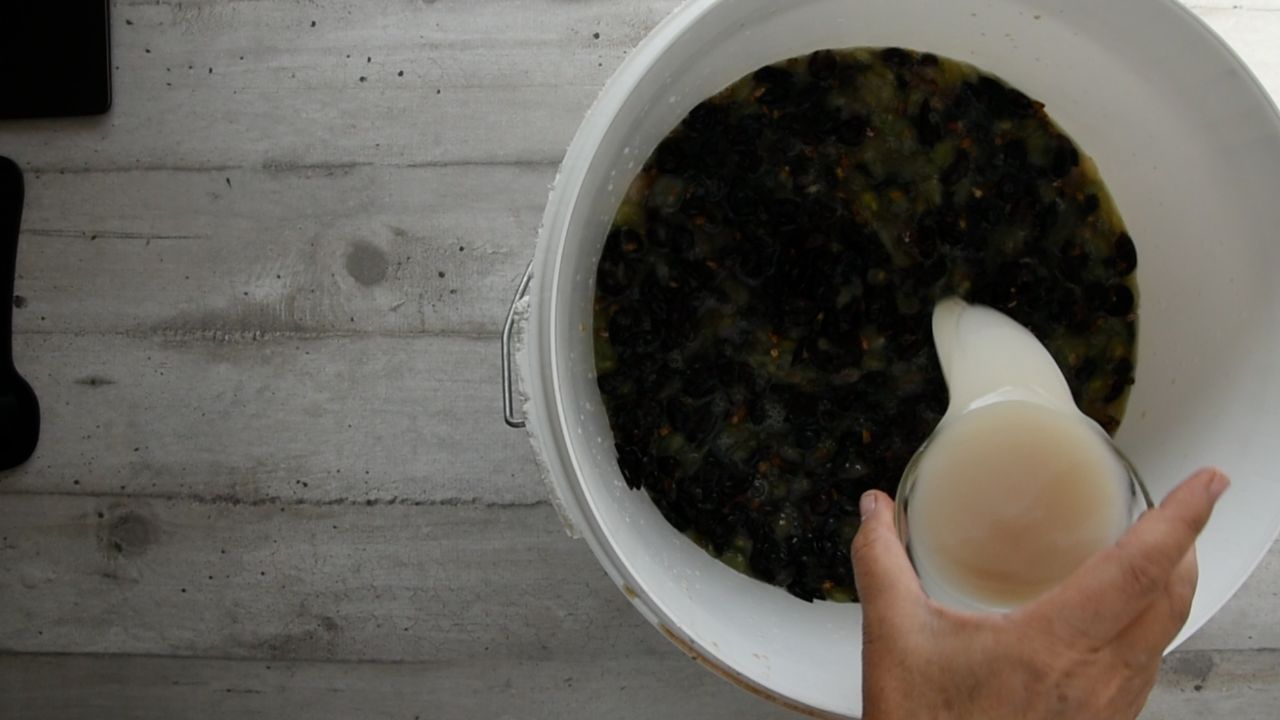
- Add the sugar syrup, the activated yeast mixture, (optional yeast nutrient), and potassium metabisulfite to a fermentation tank containing the crushed grapes and mix everything well.
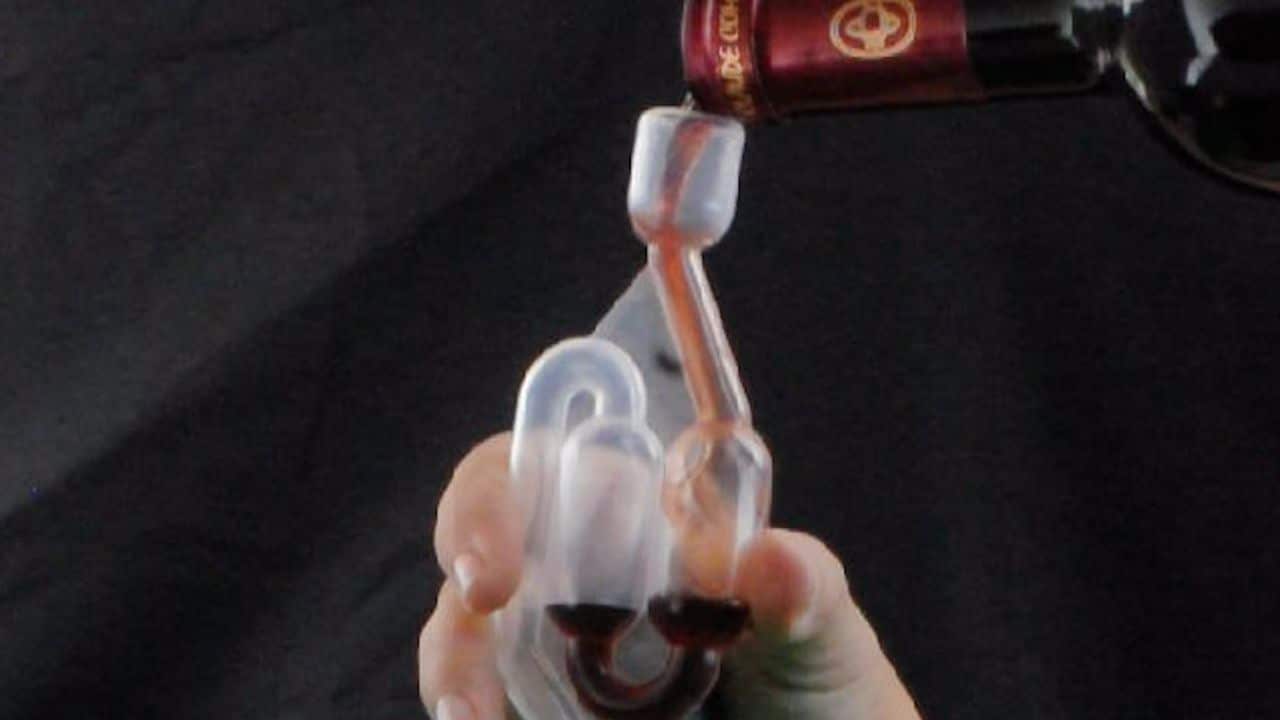
- Attach a lid equipped with an airlock tube filled with liquor or wine to seal the tank.
- Place the fermentation tank in a location where the temperature stays between 25°C and 30°C (77°F - 86°F) and wait for fermentation to start, which usually happens within 24 hours.
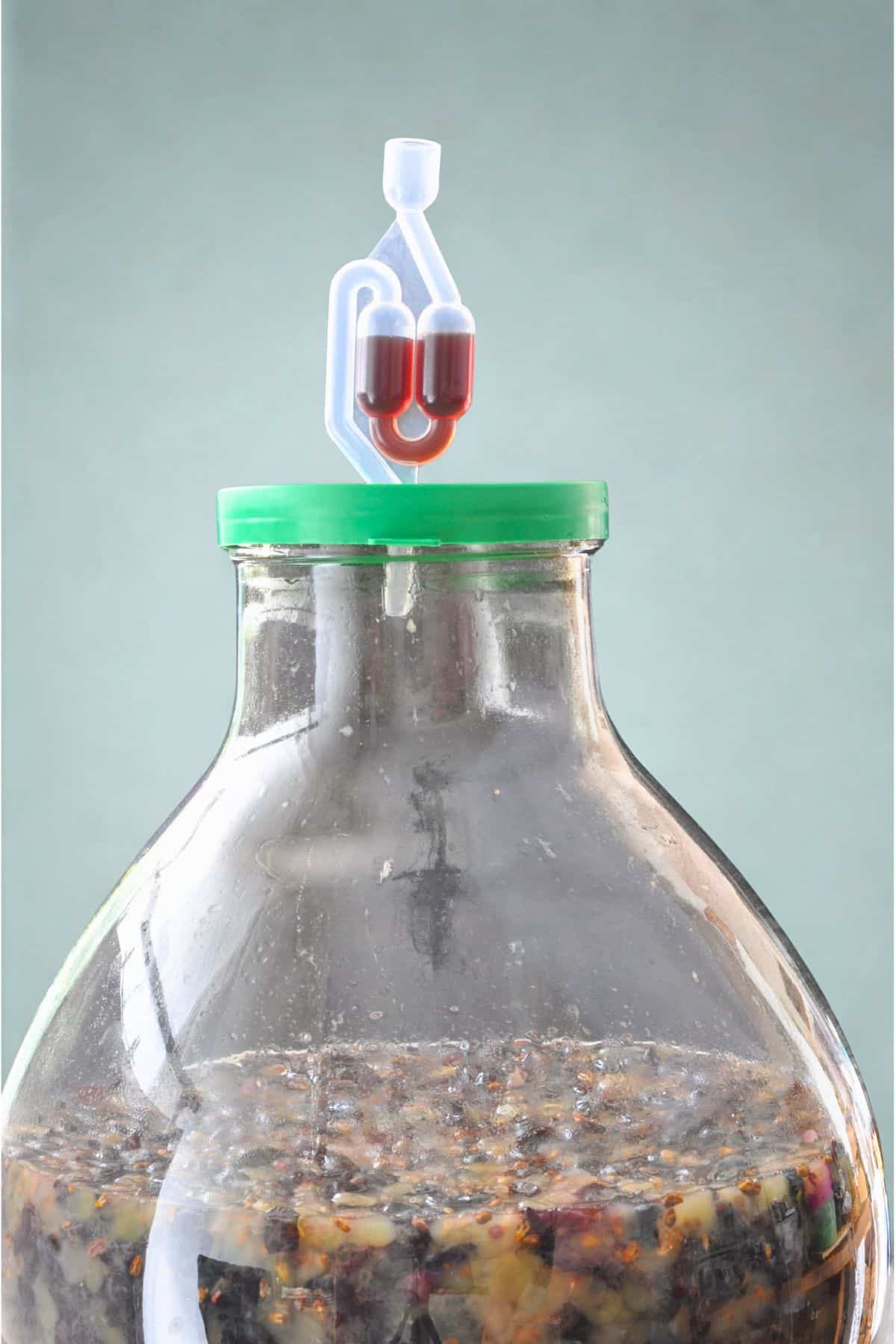
- Stir the grape skins and juice regularly to prevent oxidation as long as the skins remain in the tank.
Racking and Clarification
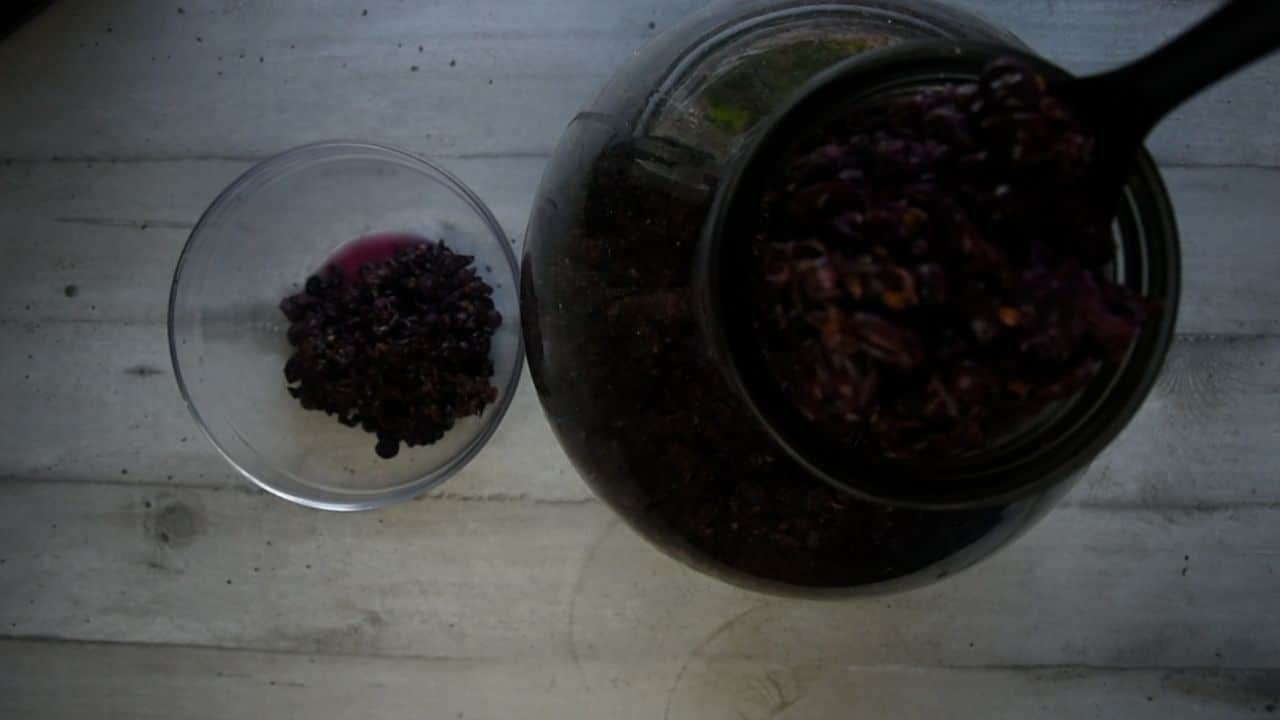
- Remove the grape skins from the tank after about 25 days, when fermentation is almost complete.
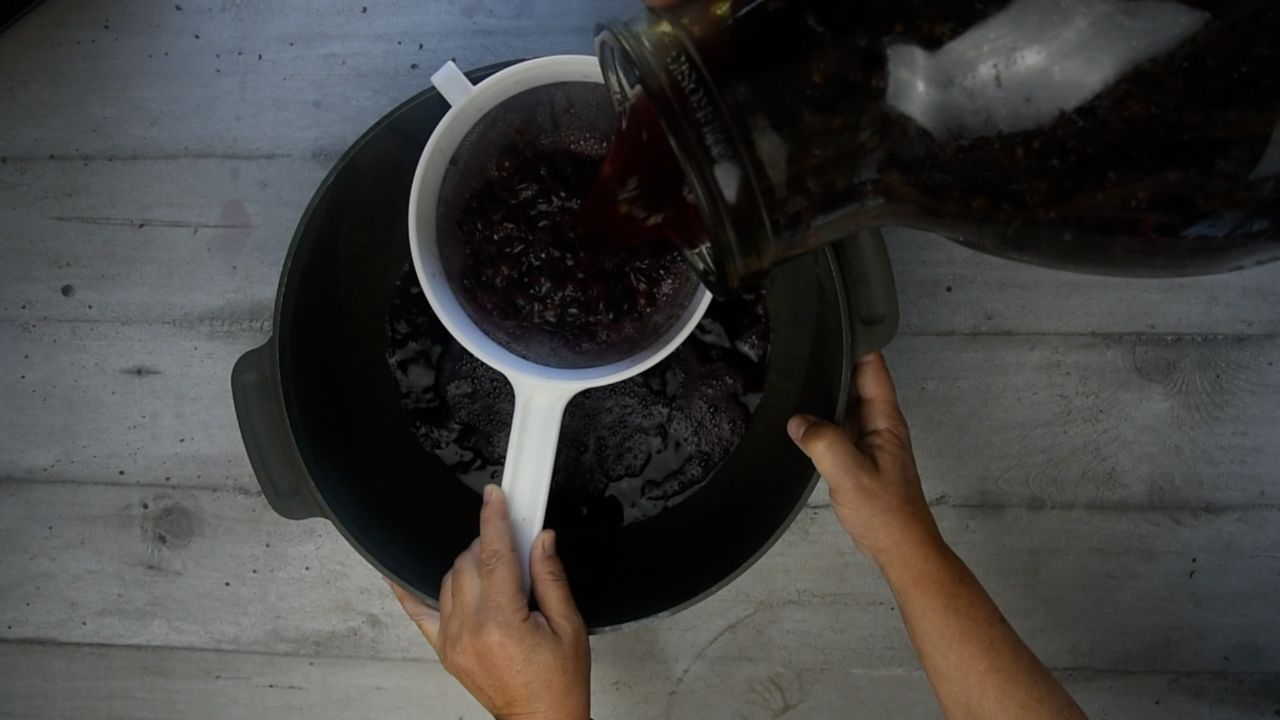
- Filter the wine to remove impurities.
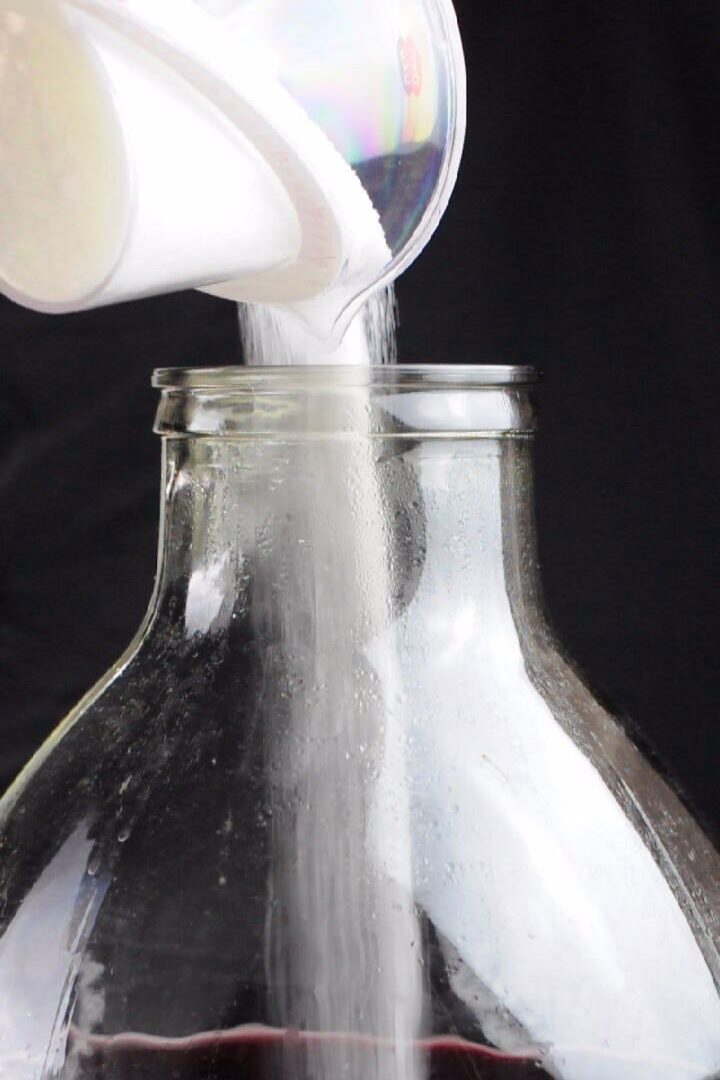
- Add the optional 500 grams (1.1 lbs) of sugar and mix thoroughly.
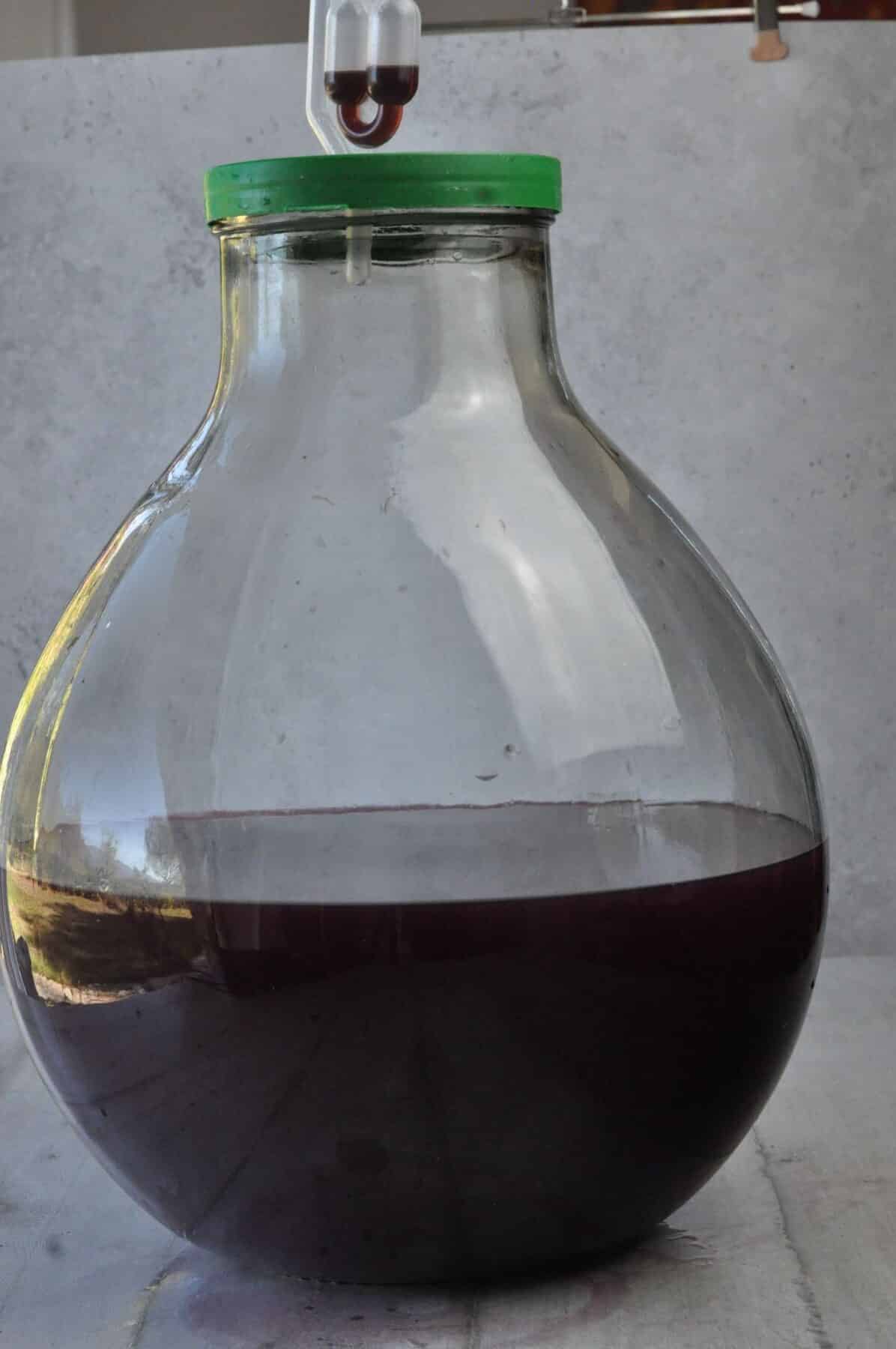
- Re-seal the tank with the airlock and observe; if fermentation is slow or does not restart, the sugar will remain to sweeten the wine.
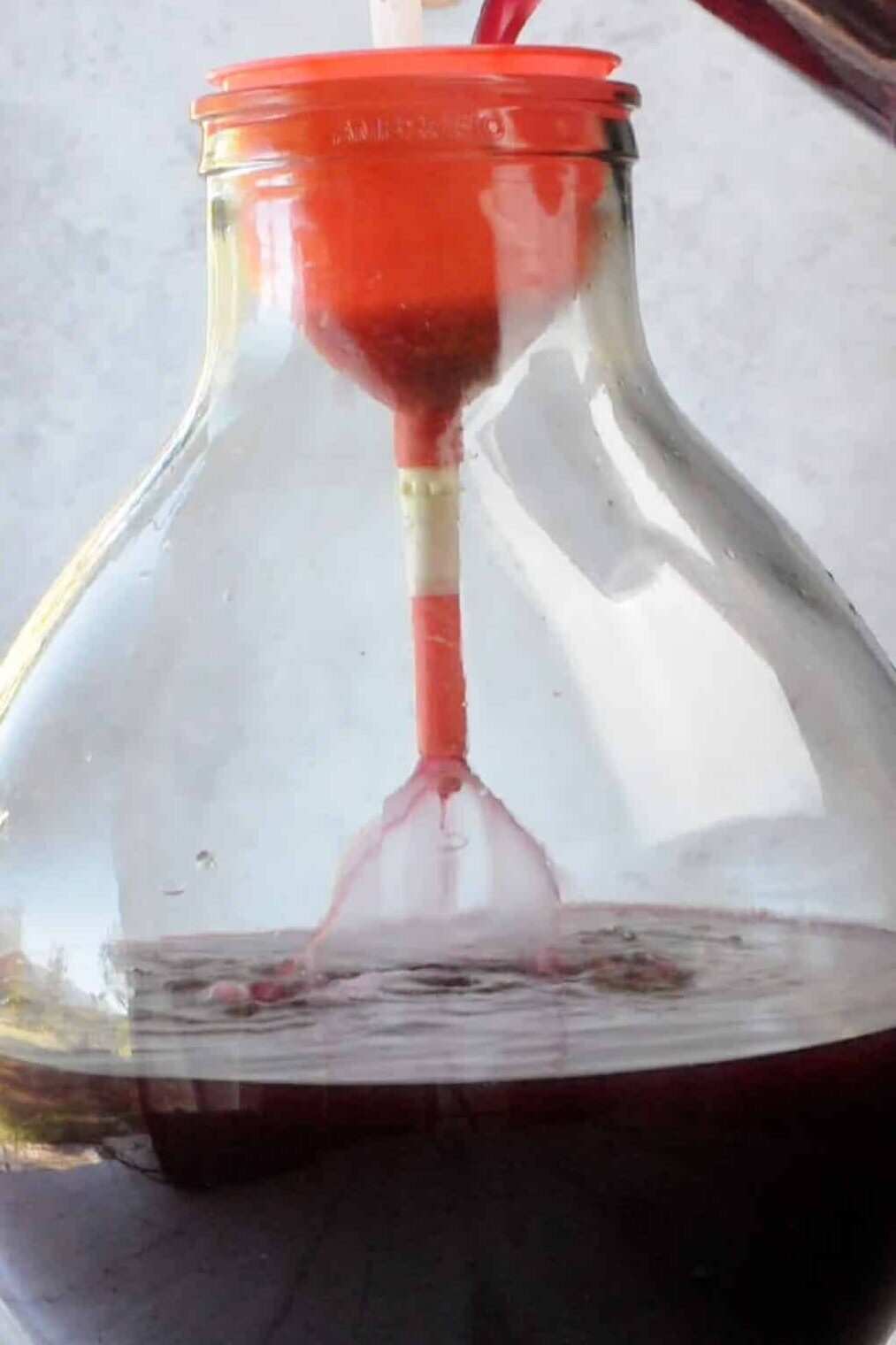
- Transfer the wine to a new container after two days, discarding the sediment that has settled at the bottom.
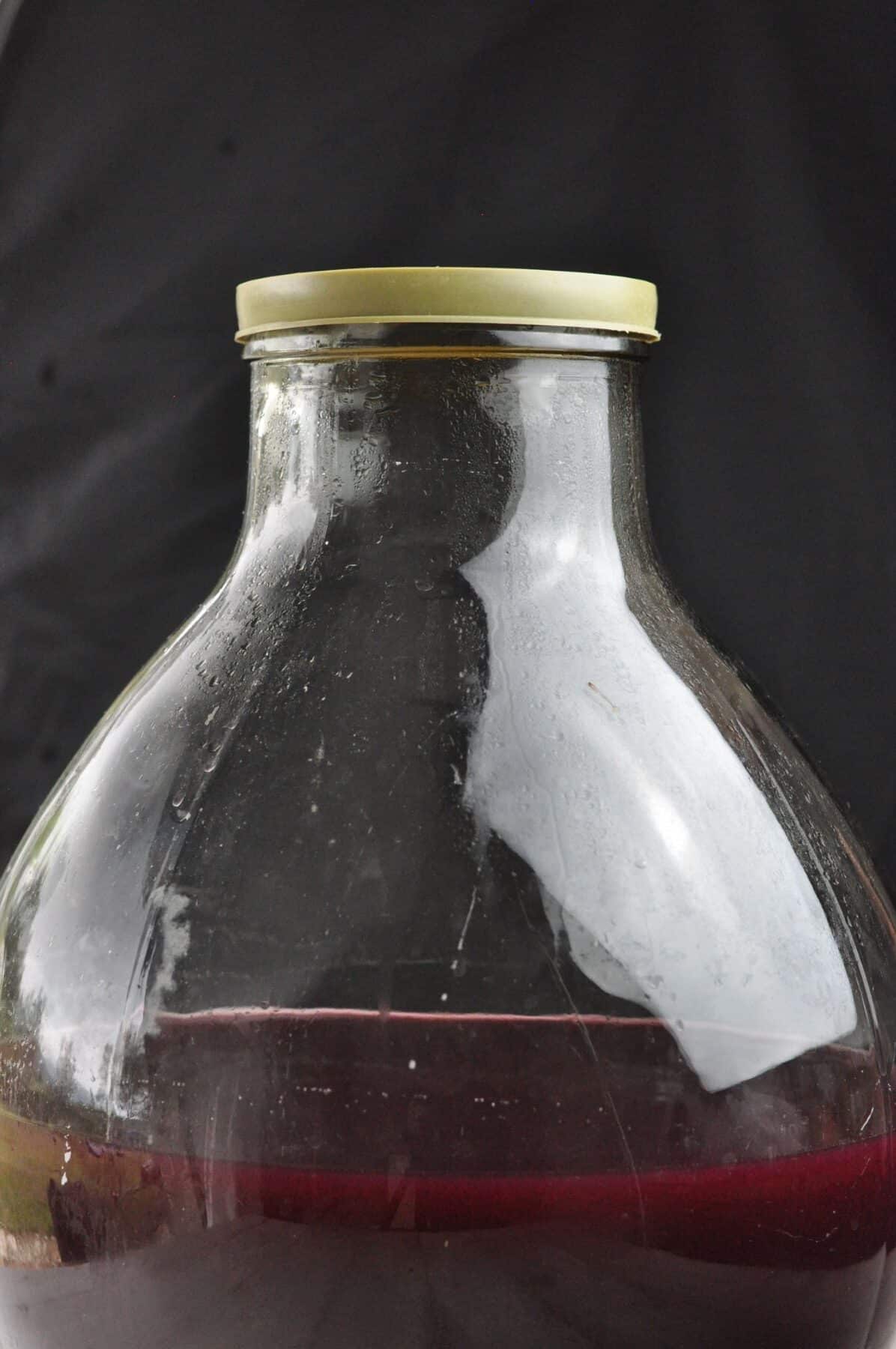
- Seal the container with an airtight lid again.
Bottling
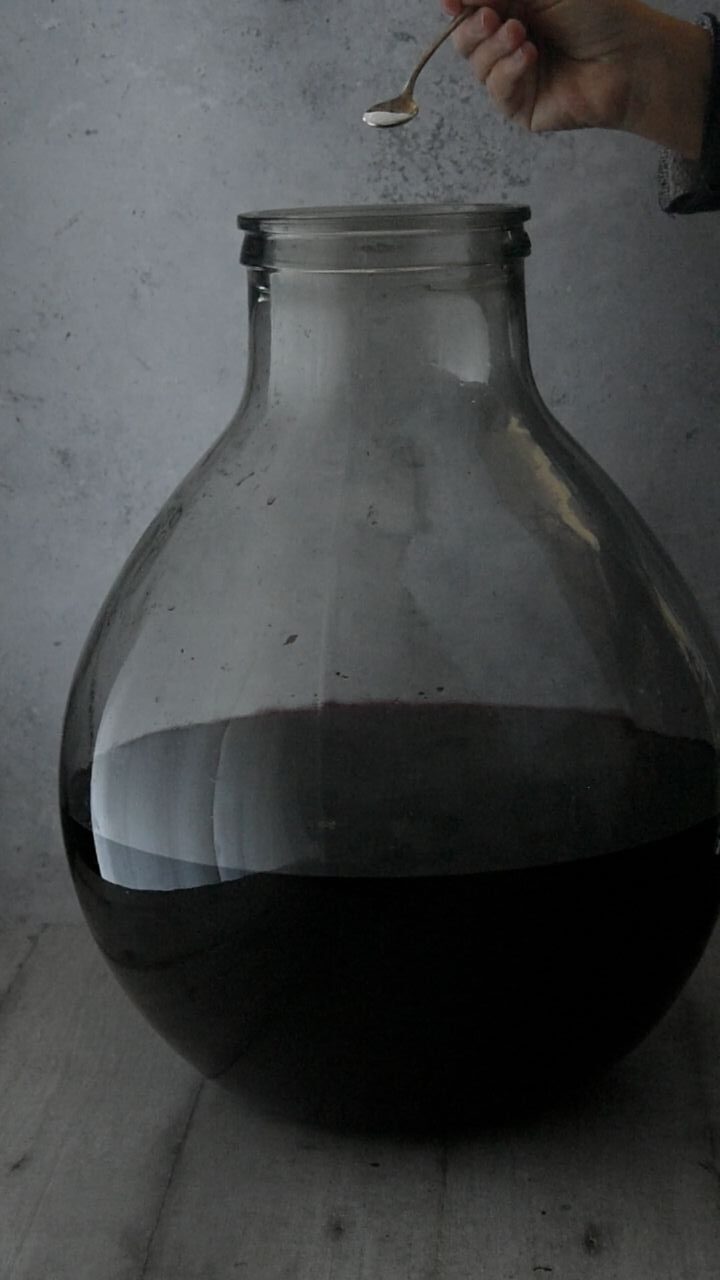
- Transfer the wine a second time after another two days, using a pump to discard any remaining sediment, and add a pinch of Potassium Metabisulfite to stabilize the wine before bottling.
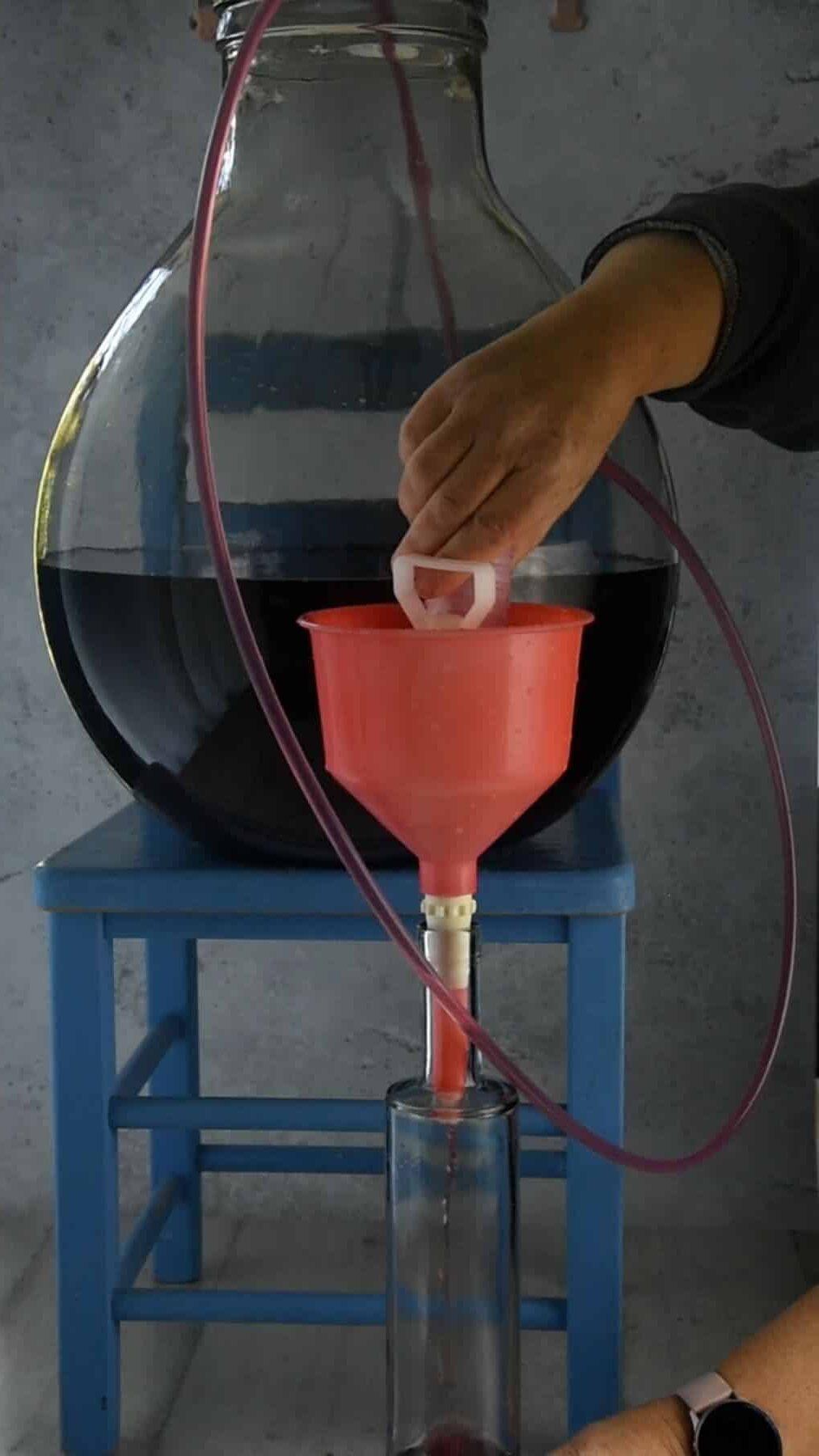
- Bottle the wine and wait another 15 days before drinking it.
Serving Suggestions
Fragolino is a dessert wine you can serve well-chilled or at room temperature, depending on your preference.
It is too aromatic to be served as a table wine during the meal.
It is traditionally enjoyed as a digestif at the end of a meal or paired with simple, dry Italian desserts that are not too sugary.
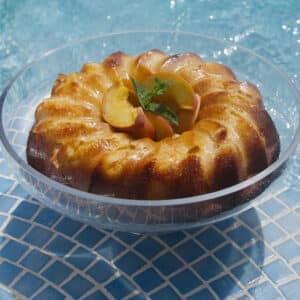
Try it with homemade biscotti, a slice of plain Ciambella (Bundt cake), or during the autumn season, with roasted chestnuts or chestnut cake (Castagnaccio), as the nutty flavors complement the fruity wine perfectly.
You can find more ideas on how to serve digestifs in the article Hosting an Italian Dinner Party
.
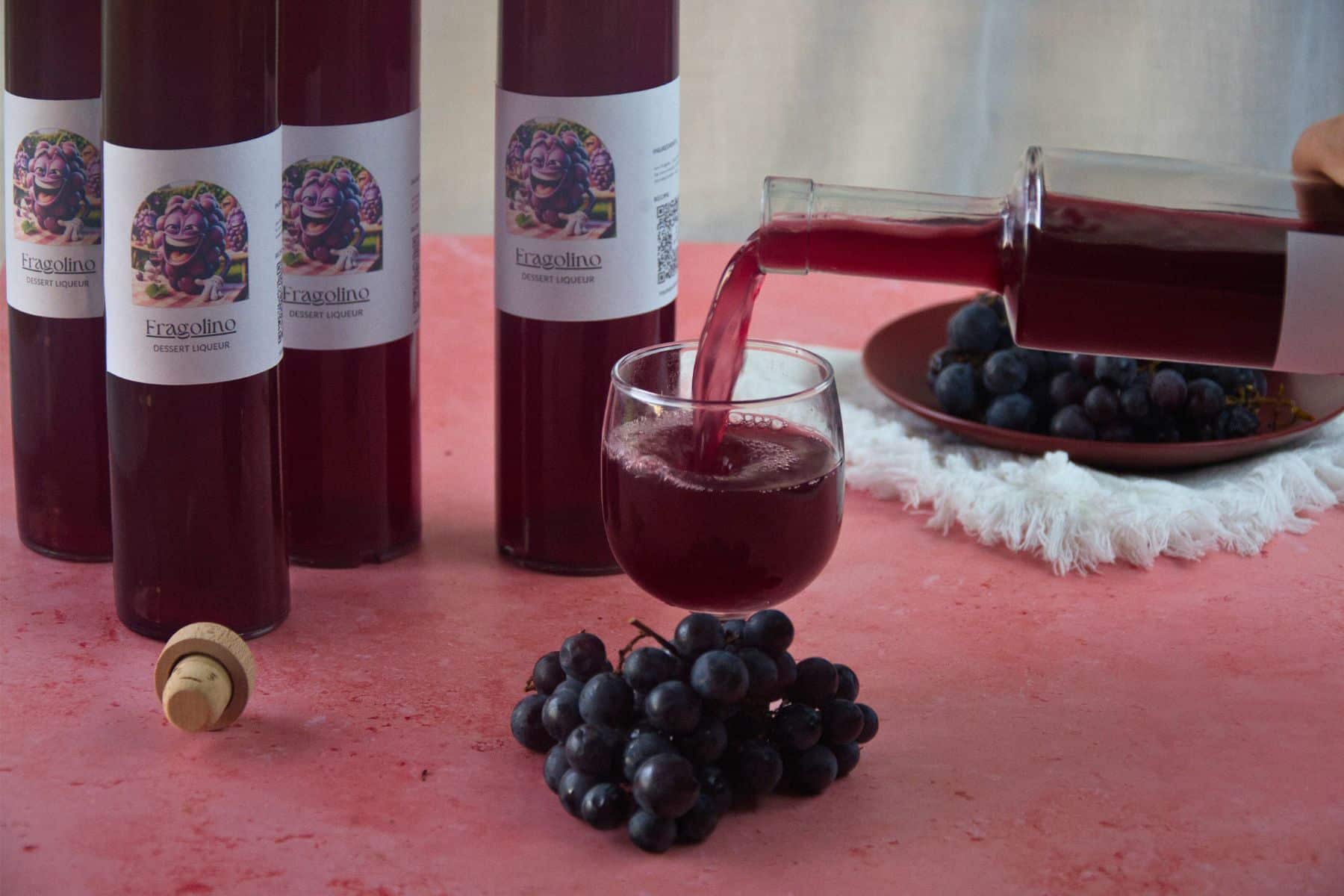
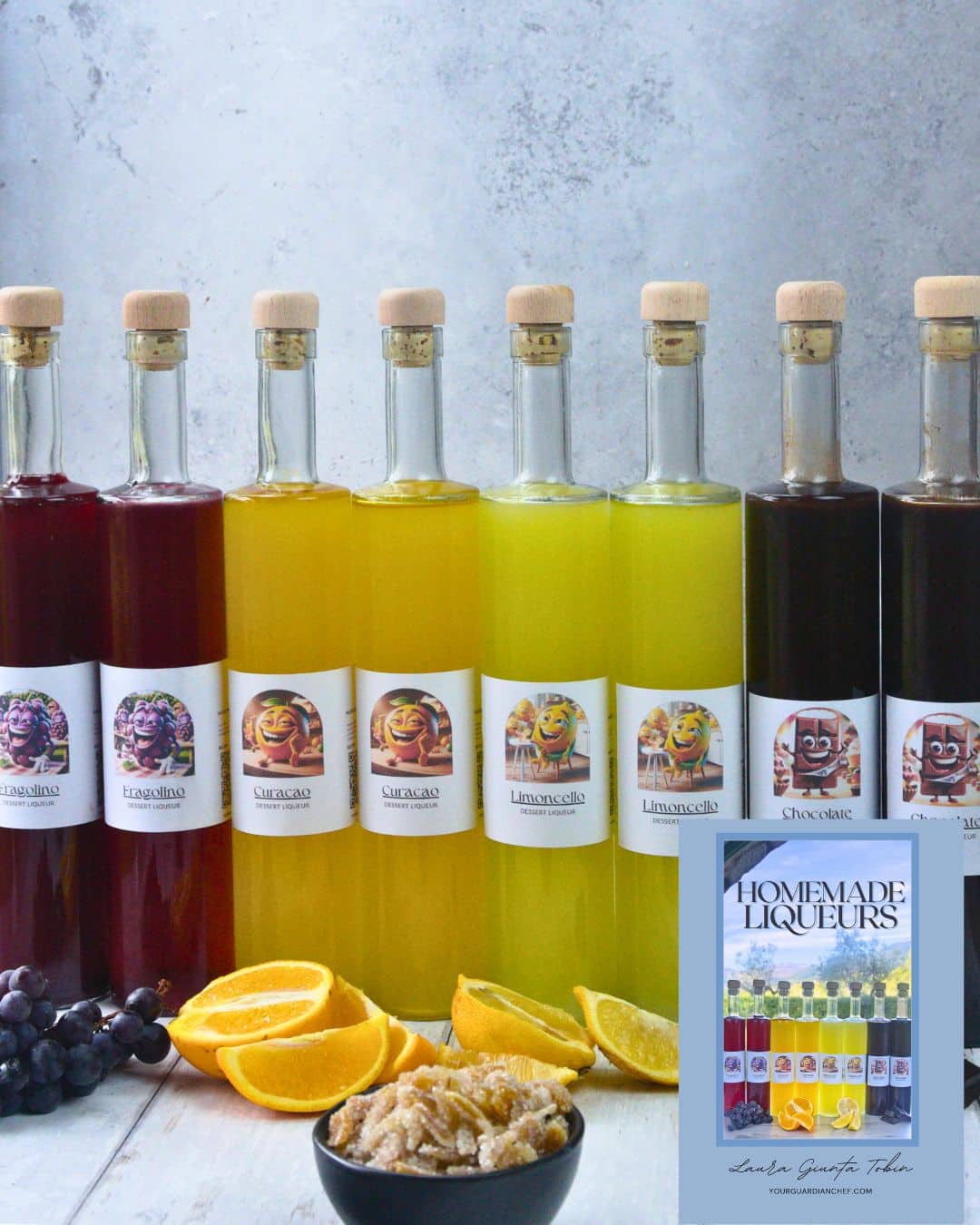
For a signature gift, add a professional label and a recipe book to print to your homemade liqueur.
- The Master's Collection Ebook: 11 recipes, including the "forbidden" Fragolino Wine - print it out and add it to the bottle to make the gift extra special.
- Professional Labels: Custom illustrations with Smart QR codes that link to the recipes, formatted for your region (USA, UK, Europe).
The complete bundle is $10.50. Choose your region:
More liqueur recipes

The real Fragolino wine made with strawberry grape is only produced in a region of Austria, Burgenland, where it is allowed as a traditional product called Uhudler.
No, Fragolino is the Italian name for a sweet aromatic dessert wine made with Concord grapes, in Italy called Uva Fragola. The name comes from the characteristic strawberry flavor of this grape variety.
If you are making this Concord Grape Wine Fragolino, leave your comment below I would like to hear from you. You can find more delicious ideas if you FOLLOW ME on Facebook, YouTube, or sign up to my newsletter.
📋Concord Grape Wine Fragolino
Verified Culinary AuthorityVideo
Equipment
Ingredients
- 22 lb Strawberry grapes - Concord grape
- 0.08 oz Yeasts for winemaking Check quantity on lable
- 0.03 oz Sulfur dioxide or metabisulphite Check quantity on lable
- 2.85 quart fresh water
- 4.4 lb sugar
- 1 pinch Additional pinch of Potassium Metabisulfite (for bottling) (read carefully directions and limitations)
Optional
- 2.2 lb sugar
- 0,07 Yeast nutrient
Instructions
Preparation
- Remove the grapes from the stems carefully and wash them to ensure they are clean.
- Dissolve the dehydrated active yeast in ¼ cup of lukewarm water, cover the mixture, and let it sit for 30 minutes to activate.
- Crush the grapes thoroughly to release the pulp and juice-using a potato masher works perfectly for this.
- Dissolve 1 kg (2.2 lbs) of sugar in 1.350 liters (1.43 quarts) of water in a separate container to create a syrup.
Fermentation
- Add the sugar syrup, the activated yeast mixture, (optional yeast nutrient), and potassium metabisulfite to a fermentation tank containing the crushed grapes and mix everything well.
- Attach a lid equipped with an airlock tube filled with liquor or wine to seal the tank.
- Place the fermentation tank in a location where the temperature stays between 25°C and 30°C (77°F - 86°F) and wait for fermentation to start, which usually happens within 24 hours.
- Stir the grape skins and juice regularly to prevent oxidation as long as the skins remain in the tank.
Racking and Clarification
- Remove the grape skins from the tank after about 25 days, when fermentation is almost complete.
- Filter the wine to remove impurities.
- Add the optional 500 grams (1.1 lbs) of sugar and mix thoroughly.
- Re-seal the tank with the airlock and observe; if fermentation is slow or does not restart, the sugar will remain to sweeten the wine.
- Transfer the wine to a new container after two days, discarding the sediment that has settled at the bottom.
- Seal the container with an airtight lid again.
Bottling
- Transfer the wine a second time after another two days, using a pump to discard any remaining sediment.
- Add a pinch of Potassium Metabisulfite to stabilize the wine before bottling.
- Bottle the wine and wait another 15 days before drinking it.
Jon Hosford
Thank you for your recipe.
I took 2 cuttings of Uva Fragola from a friend’s vineyard in Tasmania and planted them in my vegetable plot in Tas. Over 2 years they have grown to produce 35 kg of robust, thick-skinned fruit. I have found these grapes to be disease free without spraying.
This year ( 2024 ) I made some wine from the 35kg of grapes. This made 20 x 750 ml bottles. Specific Graavity prior to fermentation was 1.060= 8.1% A/V potential. It is quite a nice wine fermented to dryness. I have chosen not put it through a secondary fermentation to make it sparkling. I used your recipe, adding a tablespoon of bentonite after the fermentation to clarify the wine. It is a lovely colour and tastes fruity. Acidity is well balanced.
Laura
Well done, I am so glad you managed to make it as it is not an easy recipe. Thank you for sharing