
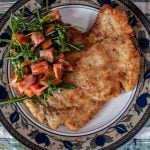
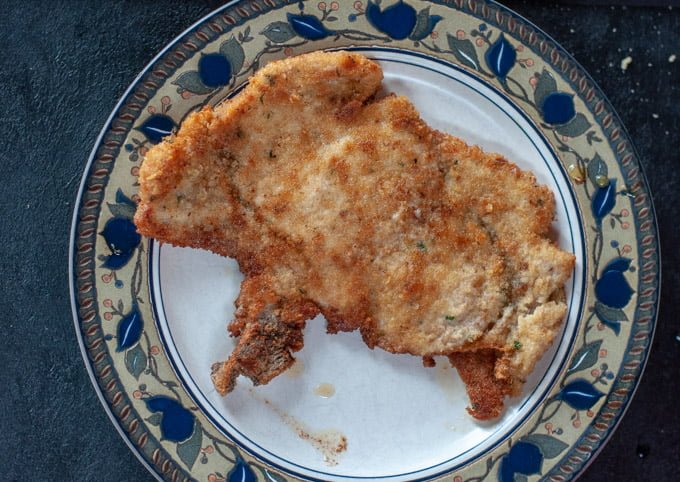
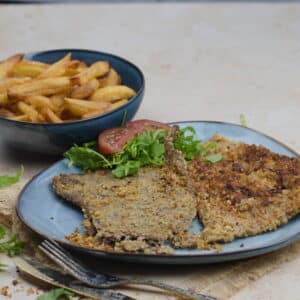
Veal Milanese is a fried breaded veal cutlet or escalope, a typical recipe from Milan called Cotoletta alla Milanese. It is usually served with an arugula salad and/or french fries. Some restaurants in Milan serve a huge cutlet also called Elephant Ear, larger than the plate in which it is served.

Jump to:
- What Milanese means
- Which cut of meat to use
- Ingredients
- Traditions of the recipe
- How to prepare Veal Milanese
- How to cook it
- How to make clarified butter
- How to serve it
- Baked instead of frying
- A vegetarian version of the Milanese
- FAQ
- More of my favorite fried recipes
- More Milanese recipes
- 📋Classic Veal Milanese (Cotoletta alla MIlanese)
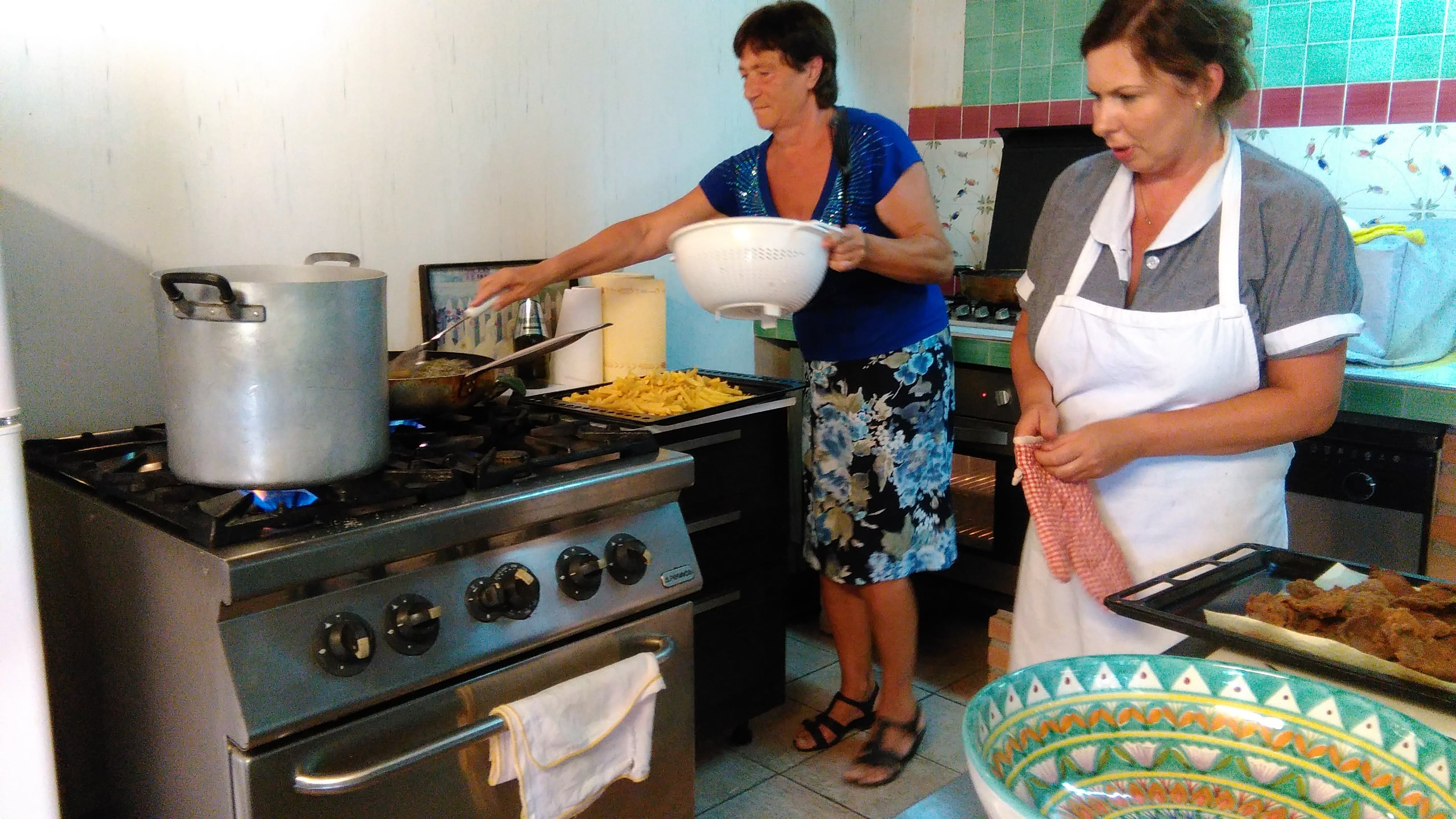
For my family, cotoletta is connected to summer celebrations.
My uncle Natale used to organize a cotoletta party for all of us children. He would have the local ladies come to cook the massive batch of cutlets to feed the whole family.
Today, his son, my cousin Domenico, continues this tradition with our own children, running a big cotoletta operation in his summer kitchen.
What Milanese means
Any meat can be made "Milanese Style", chicken, beef, pork, but the classic dish is made with veal rib.
It is a dish often ordered by children, but adults love it too.
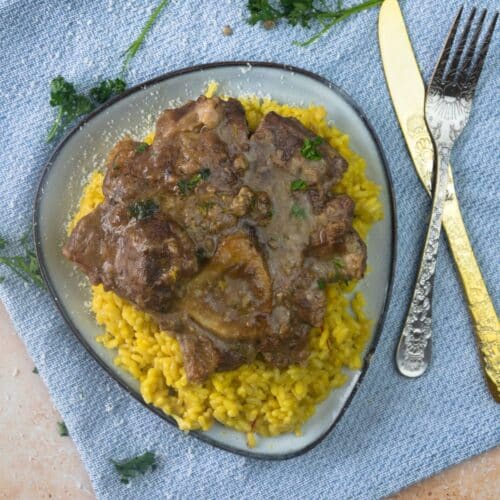
Milanese means from Milan, therefore Veal Milanese has no similarity with Risotto alla Milanese which is made with saffron and beef broth.
There is nothing in common between the two recipes, just the city of origin. If you want to explore more about the history and culinary traditions of this region, you can read my guide to Lombardy Cuisine.
In the 1850 General Radetzky loved it so much that brought the recipe back into Austria and called them dish Wiener Schnitzel.
In the veal Milanese the breadcrumbs can be plain, however in the Italian cooking books from the 1820, there is a reference to "French breading" made with plain breadcrumbs and "Milanese breading" where breadcrumbs is mixed with grated Parmesan cheese.
I prefer the later version and like to mix the breadcrumbs with Parmesan, basil and garlic.
Which cut of meat to use
The classic Veal Milanese is made with veal rib with in-bone but it can also be made with escalope which is a top rump or flank steak without the bone.
While Milanese is traditionally made with veal meat (calves), it can also be made with beef, chicken or pork.
In either cuts, the meat is tenderized with a meat hammer and the slice of meat made very thin. Ask your butcher to do that for you.
If you want to know more about cuts of beef names and how to use them, you can read my article: Cuts of Beef for Barbecuing
Ingredients
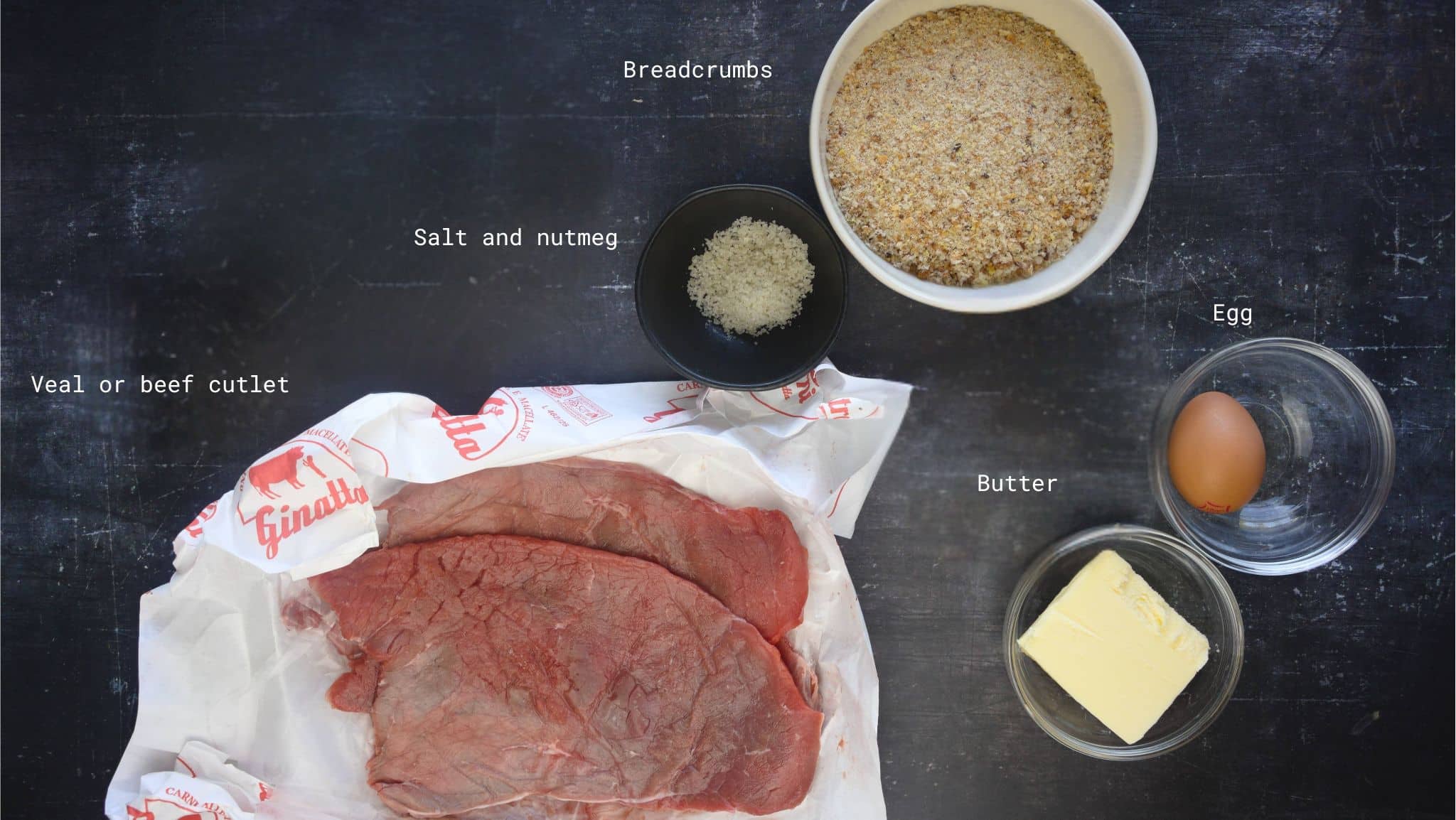
The traditional Cotoletta alla Milanese uses simple, high-quality ingredients. Here is what you need to know about the components of this dish:
- Veal Rib (or Beef): Traditionally, veal rib with the bone in is used. However, veal escalope (top rump or flank steak) pounded very thin works beautifully for household cooking.
- Breadcrumbs: Use breadcrumbs from stale bread, not the panko or packadged crumbs. They lack of flavor and texture. I like to mix fresh basil and parmesan into the breadcrumbs to season the crust, ensuring it is fragrant and never bland, although this is my preference.
- Nutmeg: A tiny pinch seasoned directly on the meat with salt adds a warm depth that cuts through the rich butter.
- Butter and Olive Oil: Clarified butter is traditional, but standard butter mixed with a spoonful of olive oil is a quick and effective alternative to prevent burning.
Find the precise measurements in the recipe card below.
Traditions of the recipe
If you noticed, the Veal Milanese is NOT previously coated in flour before dipping it in the egg.
This is because skipping the flour allows the egg and breadcrumbs to adhere directly to the meat, creating a crust that puffs up slightly during frying.
Coating it in flour first would create a dry barrier, causing the breaded crust to separate and slip off in the pan.
Some recipes claim that the cutlet should be breaded twice, but the Italian cooking bible Il Talismano della Felicita, claims that it is a trick used by restaurants to make the meat look thicker
I just make sure the meat is properly coated and that is enough for me.
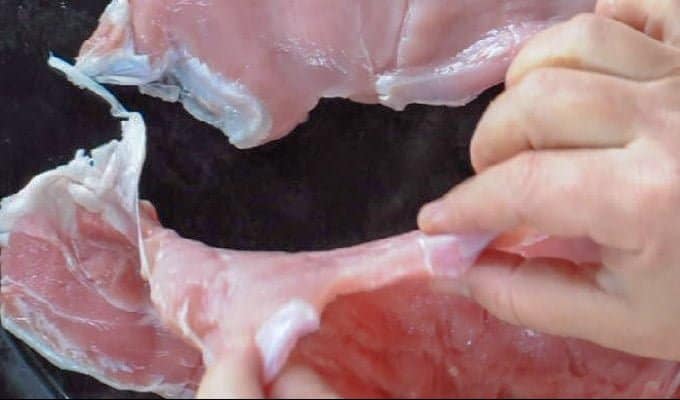
Important note: Before breading, make a few small, shallow incisions along the outer membrane of the veal chop. This stops the connective tissue from shrinking and pulling the meat upward as it hits the hot fat, ensuring the cutlet stays flat and cooks evenly.
How to prepare Veal Milanese
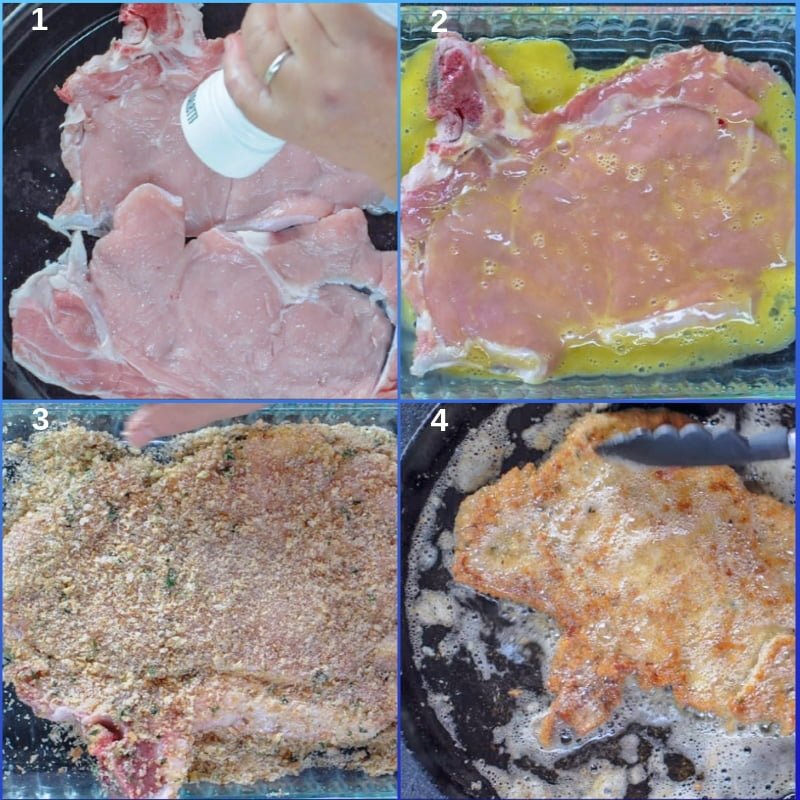
- The cutlet is seasoned with salt and nutmeg
- It is then dipped into a beaten egg.
- The veal is then coated with breadcrumbs mixed with a tablespoon of grated parmesan cheese, ½ crushed garlic and few shredded basil leaves ( found out more on my article: Grated Parmesan and Breadcrumbs)
- Fry the veal on both sides
How to cook it
The classic veal Milanese is fried in butter, and cooked until the breadcrumbs are golden and crispy. Since the butter has a low burning temperature, it risks burning when heated for a long time as the veal Milanese requires.
There are two options to increase the temperature at which the butter burns, and to cook the veal to perfection:
- Clarify the butter by removing the white organic particles
- Add some olive oil
By using either one of those options, you will have a perfectly cooked meat without burning the butter. I usually use the second as it is much quicker.
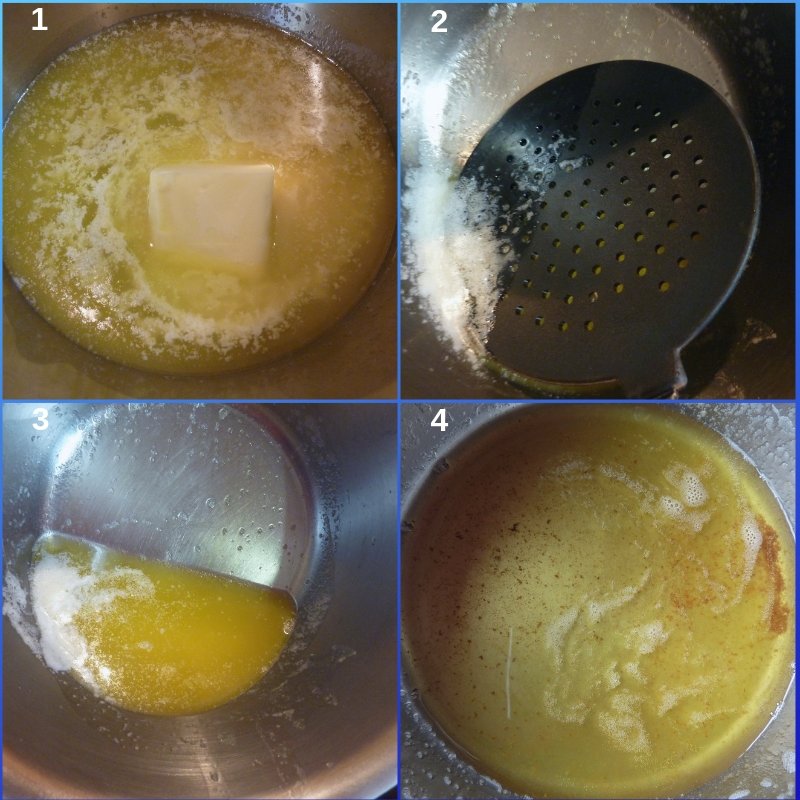
How to make clarified butter
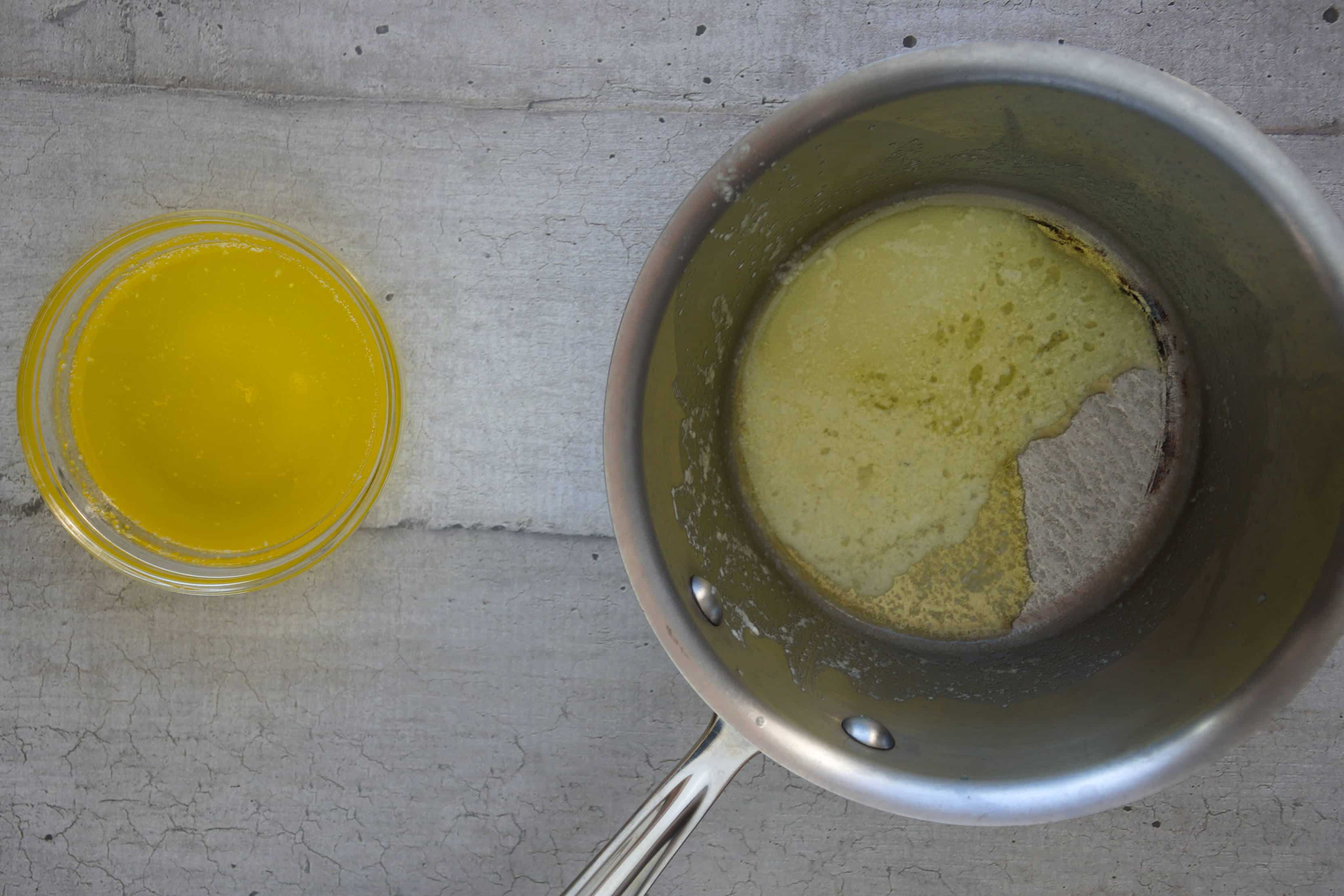
- Melt the butter in a pan
- The white granules will start to separate from the oily part
- Remove them with a sieve spoon
- Once all the white particles are removed the butter is clarified
How to serve it
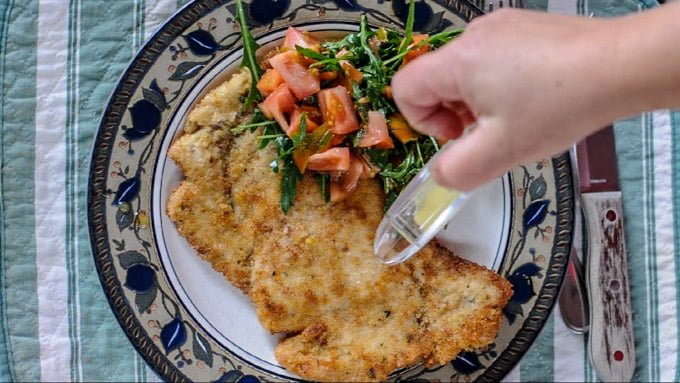
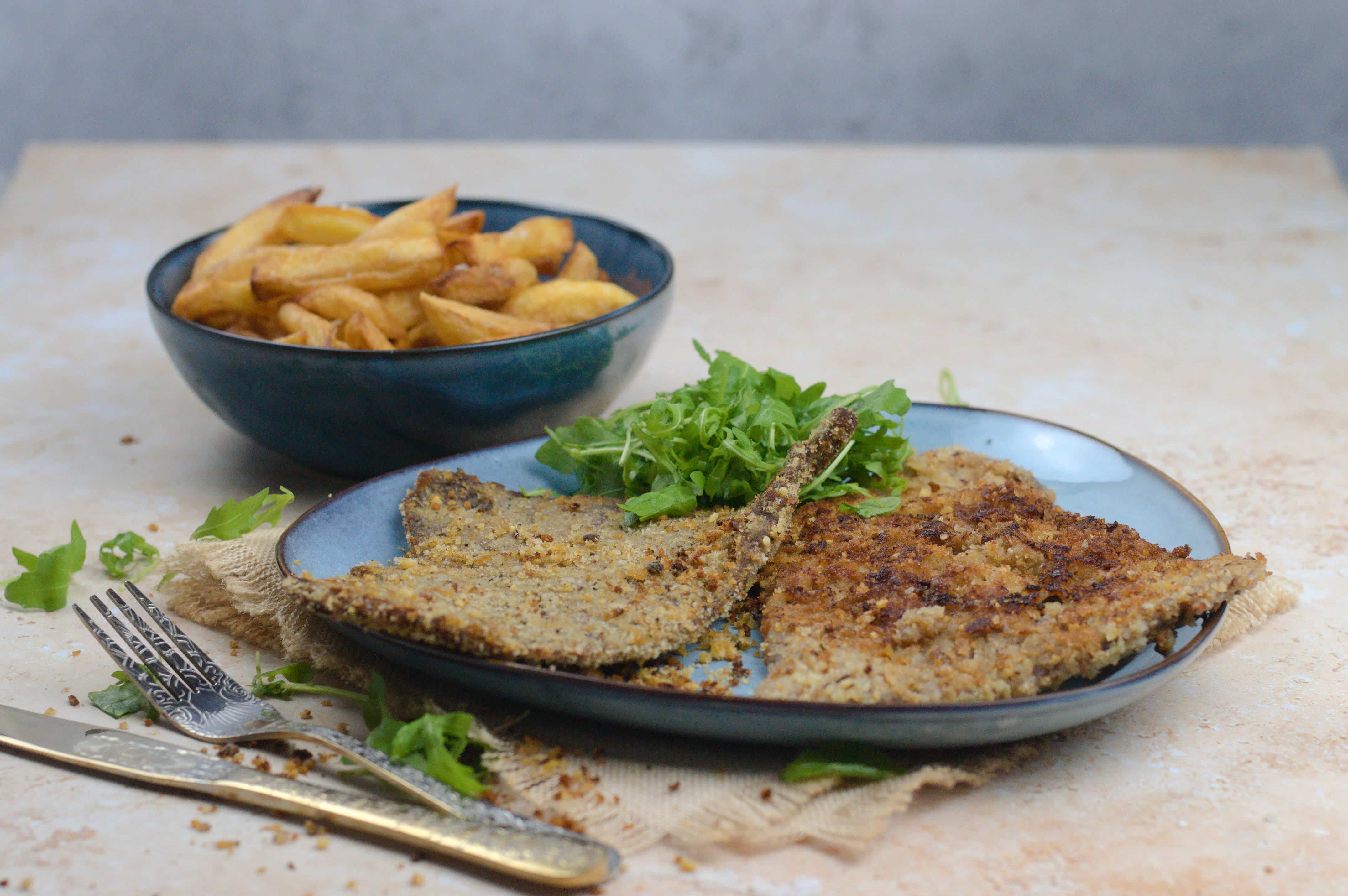
Once it is ready, serve it directly on a plate. Garnish with arugula and fresh tomatoes seasoned with salt and extra virgin olive oil, or serve it alongside some crispy french fries (find out how to make them crispy like the restaurant ones).
The freshness of the tomatoes and peppery taste of the arugula give a nice contrast to the buttery taste.
While you may be tempted to eat it with ketchup, refrain! In Italy, we drizzle some fresh lemon juice.
Baked instead of frying
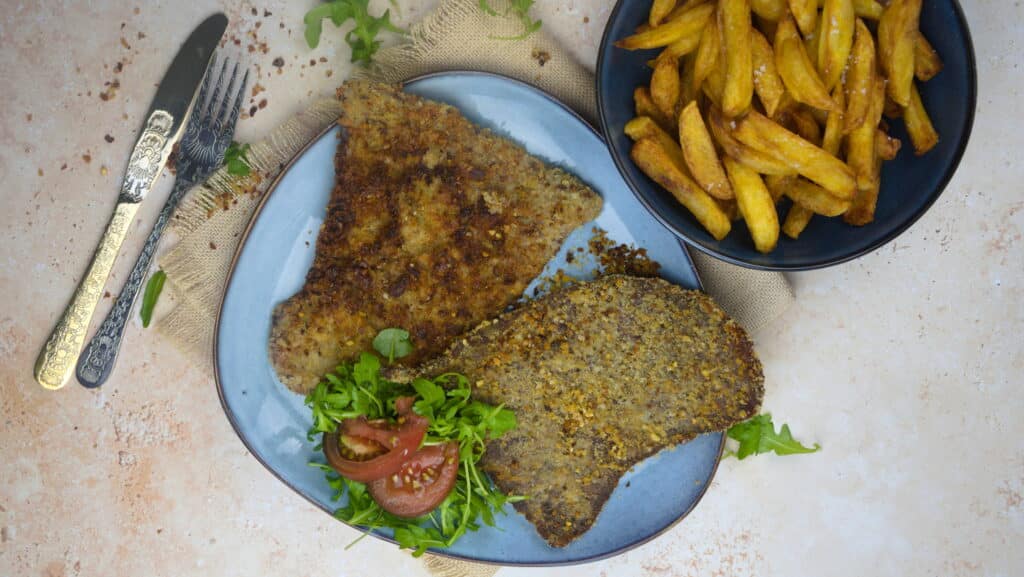
If you want to try a lighter version of the traditional Milanese, you can try to make the Palermitana cutlet.
The meat is coated with breadcrumbs but it is grilled or baked in the oven instead of fried.
In this recipe I make it using chicken breast instead of veal: Easy Healthy Baked Breaded Chicken Breast.
On a similar concept, I also make Braciolette: breaded baked meat or swordfish rolled into small braciole.
They are crunchy on the outside and tender in the inside. Children love them and they are much more healthier than the fried one.
A vegetarian version of the Milanese
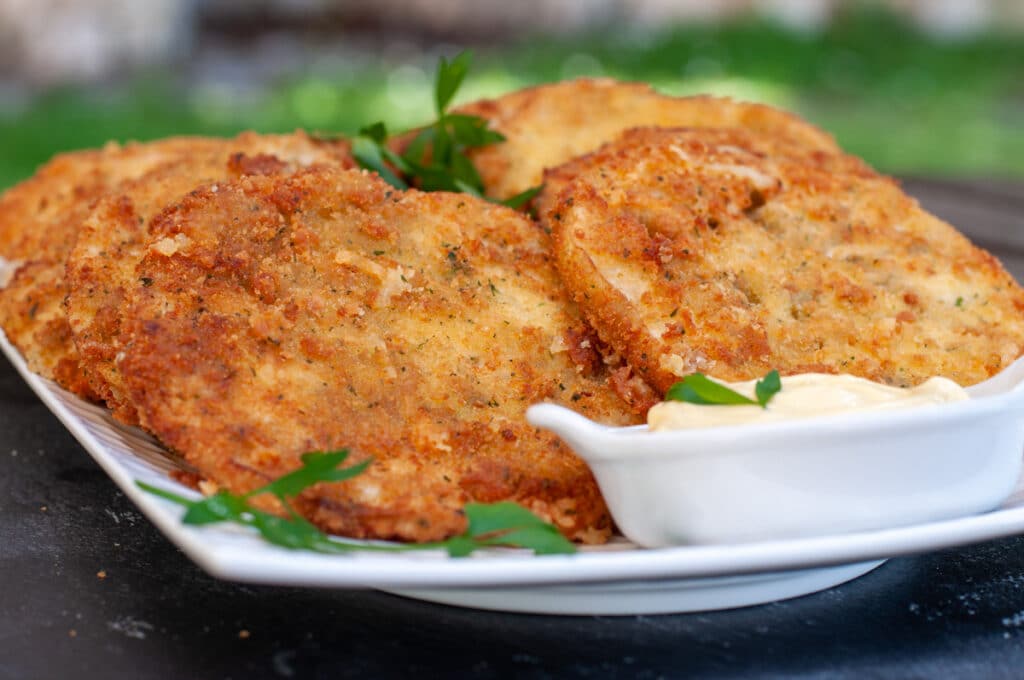
If you have some vegan or vegetarian guests at your party, you can easily make a vegetarian version of the Milanese for them.
You can find on the blog the recipe for Eggplant Milanese, but you can also use Porcini mushrooms or squash.
FAQ
Milanese is called a recipe originated from the city of Milan. However in more general terms it is used for a dish where the main ingredients is breaded and fried. Although that is not always true as you find many Milanese recipes that are not breaded nor fried. For example risotto alla Milanese is a risotto made with saffron, Osso buco alla Milanese is a meat stew with bone marrow.
No, in Italy we would never make this combination. You can eat the pasta as a starter, then the veal Milanese with a salad or some crispy french fries on the side.
Butter contains milk solids that burn quickly at high temperatures. Adding a spoonful of olive oil raises the burning point, allowing you to fry the cutlet until golden and crispy without the fat turning black. Alternatively, you can use clarified butter, which has the solids removed and can be heated safely on its own.
Melt unsalted butter in a saucepan over low heat without stirring. As it melts, a white foam of milk solids will rise to the top. Skim this foam off with a spoon. Once the butter is completely quiet and clear golden liquid sits above the remaining milk solids at the bottom, pour the clear fat through a cheesecloth into a clean container, leaving the solids behind.
Dipping the seasoned meat directly into the beaten egg and then pressing it into the breadcrumbs ensures the crust clings tightly to the meat. Coating it in flour first creates a dry barrier that causes the entire breaded crust to separate and slip off in the pan.
Before breading, make a few small, shallow incisions along the outer membrane of the veal chop. This stops the connective tissue from shrinking and pulling the meat upward as it hits the hot fat, ensuring the cutlet stays flat and cooks evenly.
Once fried, place the cutlets in a single layer on a wire rack set over a baking sheet in a low oven at 100°C (200°F). Never stack the hot cutlets or cover them with foil, as the trapped steam will turn the crispy breadcrumb crust soggy.
The core difference is the cut of meat and the bone. Authentic Milanese cotoletta is cut from the bone-in veal rib chop (costoletta) and is fried in butter. Wiener Schnitzel is made with boneless veal cutlets, pounded very thin, and is traditionally fried in lard or vegetable oil.
Yes, my mother always did this. Bread the cutlets completely, lay them in a single layer on a tray lined with baking paper, and freeze until solid. Once frozen, transfer them to a freezer bag. You can fry them directly from frozen; just lower the heat slightly so the meat cooks through by the time the crust turns golden.
A squeeze of fresh lemon juice cuts through the richness of the butter and highlights the flavor of the meat. A heavy sauce like ketchup completely masks the texture and taste of a properly fried crust.
More of my favorite fried recipes
If you are craving for fried food, you may want to check out these other recipes:
- Deep-Fried Eggplant Balls
- Fried Zucchini Flowers Recipe
- Fried Pizza
- Pasta a Frittata: Italian Fried Pasta
- Fried Calamari Recipe
- Italian Fried Dough Crispelle
- Rissole à la Dauphine
- Homemade chicken nuggets recipe
More Milanese recipes

If you are making the Veal Milanese, leave your comment below I would like to hear from you. You can find more delicious ideas if you FOLLOW ME on Facebook, YouTube, Pinterest and Instagram or sign up to my newsletter.
📋Classic Veal Milanese (Cotoletta alla MIlanese)
Verified Culinary AuthorityVideo
Equipment
Ingredients
- 2 slice veal rib
- 1 fresh eggs
- 2 cup breadcrumbs
- 3 leaves fresh basil leaves optional
- 1 tablespoon freshly grated Parmesan optional
- ½ clove peeled garlic cloves optional
- ½ cup butter (optional clarified butter)
- 1 tablespoon extra virgin olive oil
- salt
- freshly grated nutmeg
- 1 teaspoon lemon juice
Instructions
- Tenderize the veal meat with a meat hammer to make the slice as thin as you can. You can also ask the butcher to do that for you2 slice veal rib
- Before breading, make a few small, shallow incisions along the outer membrane of the veal chop. This will prevent the cutlet from curling while frying
- Season with salt and nutmegsalt, freshly grated nutmeg
- Beat the egg and dip the veal cutlet1 fresh eggs
- Coat the veal with breadcrumbs mixed with grated parmesan
- In a frying pan melt the butter and add a tablespoon of olive oil. The olive oil will keep the butter at high temperature without burning it½ cup butter, 1 tablespoon extra virgin olive oil
- Fry the veal cutlet on one side
- Turn the other side once the breadcrumbs are gold and crispy
- Once it is cooked serve on a plate
- Garnish with arugula and tomato salad seasoned with salt and extra virgin olive oil
- Drizzle some fresh lemon juice just before eating it1 teaspoon lemon juice
Notes
- The classic Veal Milanese is made with veal rib with in-bone. The meat is tenderized with a meat hammer and the slice of meat made very thin. Ask your butcher to do that for you.
- the Veal Milanese is NOT previously coated into flour as it is usually done with other breaded and fried food.
- I always have a bag of breadcrumbs flavoured with basil, garlic and Parmesan in the freezer. You can find more on the article: Grated Parmesan and Breadcrumbs
- Some recipes claim that the cutlet should be breaded twice, but the Italian cooking bible Il Talismano della Felicita, claims that it is a trick used by restaurants to make the meat look thicker
- The classic veal Milanese is fried in butter, and cooked until the breadcrumbs are golden and crispy. Since the butter has a low burning temperature, it risks burning when heated for a long time as the veal Milanese requires. To avoid this add some olive oil to the butter.
- To prevent curling: Make small, shallow incisions along the outer membrane of the veal chop before breading to prevent the meat from curling in the pan.
- To keep crispy: If cooking in batches, keep the fried cutlets in a single layer on a wire rack set over a baking sheet in a low oven at 100°C (200°F). Never stack them, as they will steam and lose their crunch.
Leave a Reply