
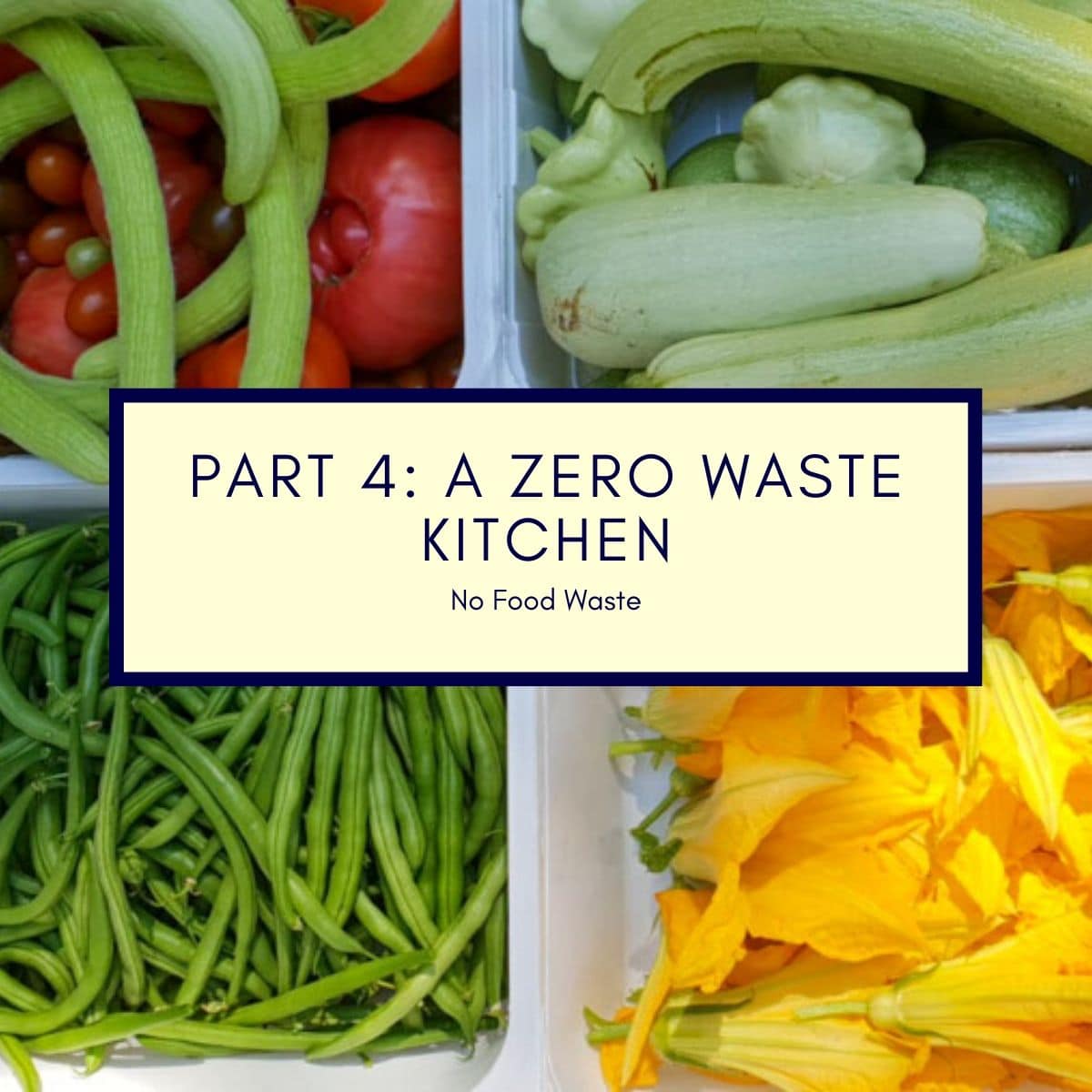
Reducing food waste is an important part of Italian cuisine, because it was historically shaped and influenced by cucina povera, the poor kitchen where nothing was thrown away. For centuries, peasant families turned a few simple ingredients, stale bread and leftovers into a proper meal, and many of these survival dishes became the foundation of Italian regional cooking.
In this post, I share how I apply the same idea in my kitchen today, with one weekly shop, a flexible meal plan, recipes for whatever is in the fridge, new meals from leftovers and compost for the scraps.
This post is Part 4 of a 5 article series: Organize your kitchen and eat healthily.
I go shopping only once per week to stock up my kitchen with all essentials (sauce, meat, carbs and seasoning), I only buy fresh fruits and vegetables that are in season and look fresh and plan my meals accordingly.
Part 1: A Family Meal Planner Based On Fresh Vegetables
Part 2: 77 Traditional Italian Ingredients And Best Brands
(plus my favourite brands and a printable shopping list)
Part 3: Once a Month Freezer Meal Prep
Part 5: How To Equip Your Kitchen If You Love To Cook Italian
Cucina povera, how I learned not to waste food
In the 70s, right after the war, Italian children were taught not to waste food. In our family, even if we didn't like something, we had at least to try it, which works, as once you try several times your taste changes.
While my mother prepared big lunches, dinner was mostly soups or leftovers. The leftover pasta was refried, and it was our favourite dish.
This is cucina povera, where a few good fresh ingredients make a proper meal.
Cucina povera has its roots in the interaction between the aristocratic kitchen and the working class.
In the great houses, the local kitchen staff worked side by side with professional chefs, then used the same techniques on the affordable ingredients they fed their own families.
Prime cuts of meat were replaced with the fifth quarter (offal), expensive fish with sardines and anchovies, and rich fillings with stale bread or pasta.
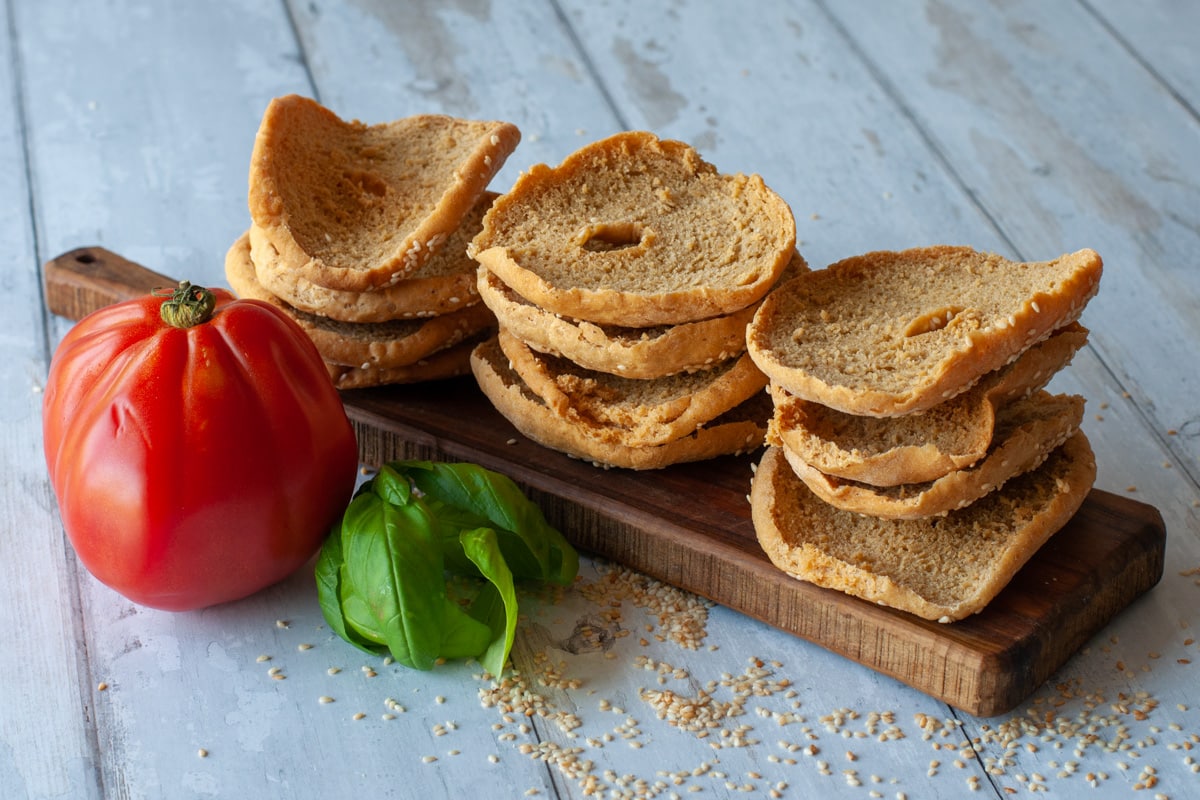
Sailors and shepherds, who had to survive months away from home, relied on ingredients with a long shelf life, like guanciale, Pecorino, pulses and hard bread such as friselle.
This shared history is why, in Italy, meals made with humble ingredients are deeply appreciated by people of all social statuses.
In Storia della cucina italiana, Alberto Capatti and Massimo Montanari argue that gastronomic invention was never an exclusive privilege of the ruling classes, because it came from poverty and necessity as much as from luxury.
For them, the essence of cucina povera is how people used ingenuity, labour and imagination to turn poverty and famine into occasions of pleasure.
Leftovers were at the heart of it: stale bread went into soups and panzanella, offal became salumi, and fried fish was marinated in vinegar, in scapece or in carpione, so it would last.
The poor kitchen was seasoned with salt rather than sugar and exotic spices, because salt preserved meat, fish and vegetables for a long time.
You can read more about how cucina povera influenced Italian cooking in my history of Italian cuisine and in Tuscan cuisine.
- In Rome, dishes like tripe, oxtail stew (coda alla vaccinara) and lamb offal (coratella) were born out of necessity, using the parts of the animal that wealthier classes discarded, and supplì were created as a way to use leftover rice. I wrote more about it in Lazio and Roman cuisine.
- In Calabria, my region of origin, stroncatura was originally made from mill-floor waste, a mix of grains such as bran and rye. The vegetable stew ciambotta is another peasant meal created with few basic ingredients, and farmers took it to the fields stuffed inside a bread loaf.
- Sicily is also famous for its cucina povera street food. In Palermo, pani câ meusa is bread filled with spleen and lung, and panelle are fried chickpea fritters eaten alone or in mafalda bread. You can find them in my Italian street food article.
In Italy, bakeries do not throw away old bread.
They grate it and sell it as fresh breadcrumbs, and they taste much better than panko.
At home, stale bread becomes homemade Italian breadcrumbs or canederli, the bread dumplings of South Tyrol.
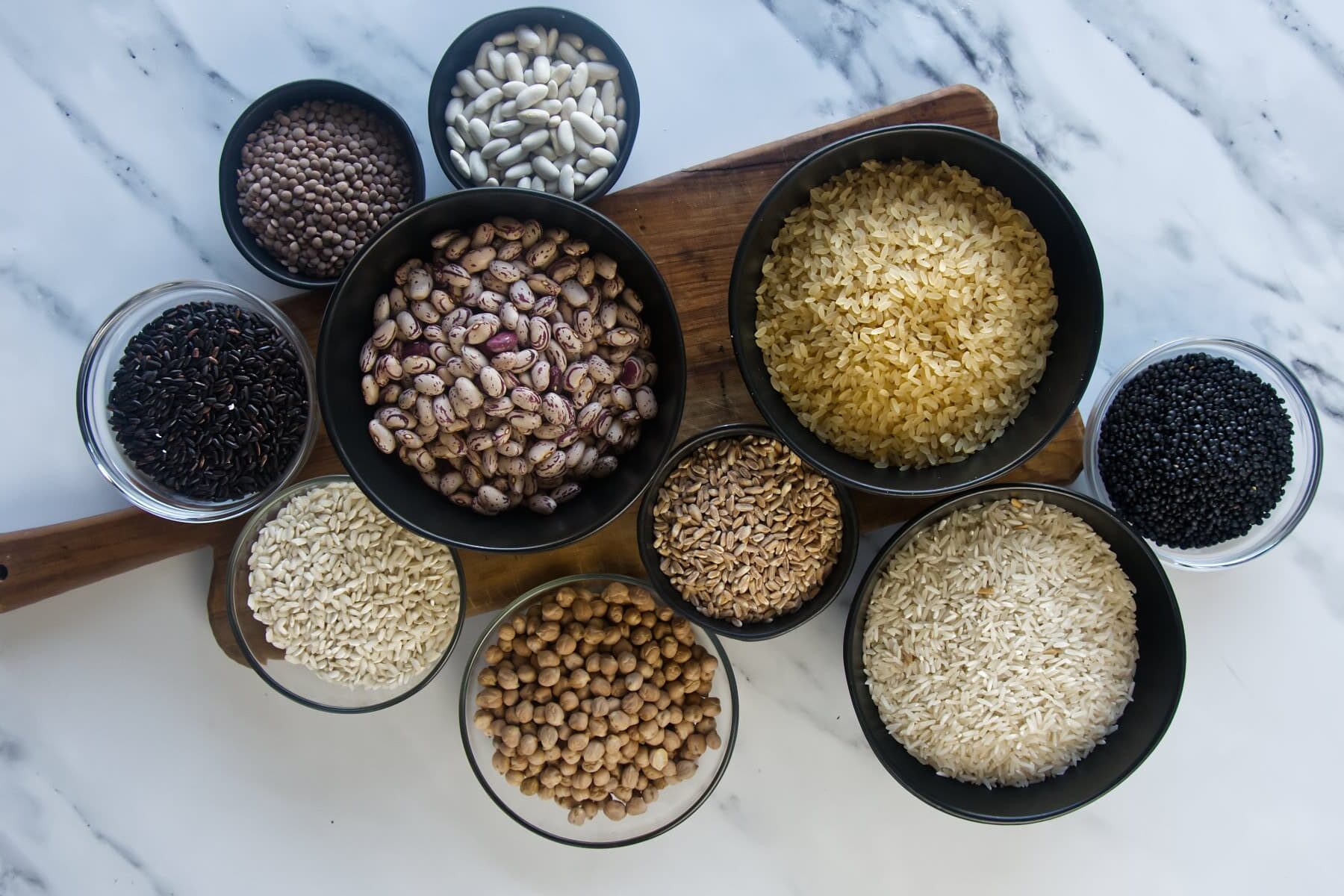
You can find what I keep on my shelf in the cucina povera shopping list.
A no-waste meal plan based on vegetables
When you stock up your kitchen once a week, some of the food can get old and go to waste if you don't plan your meals around what you bought.
However, instead of making a list of the meals you need to have for the entire week so all the food is used up, I use a simple strategy.
As I mentioned in my first article of the series, our typical day menu will look like the following:
- Breakfast: cereal, milk, juice, coffee or tea
- Lunch or dinner: protein, carbohydrates and vegetables
- Lunch or dinner: soup, pulse, charcuterie
- Snack: fruit or dessert
Before planning the meal for the day, I look in my fridge which is full of vegetables from my weekly shopping.
- I check which vegetables are mature and use them before they go bad.
- I keep for later in the week the vegetables that are long-lasting like cabbages or carrots.
- As for vegetables backup to use later in the week, I have a stock of preserved vegetables (e.g. tomato sauce can make a great lasagna), vegetables growing in the garden, or freezer-friendly vegetables like peas or spinach.
- Keeping an eye on my vegetables each day helps reduce waste and has a positive impact on my weekly vegetable intake.
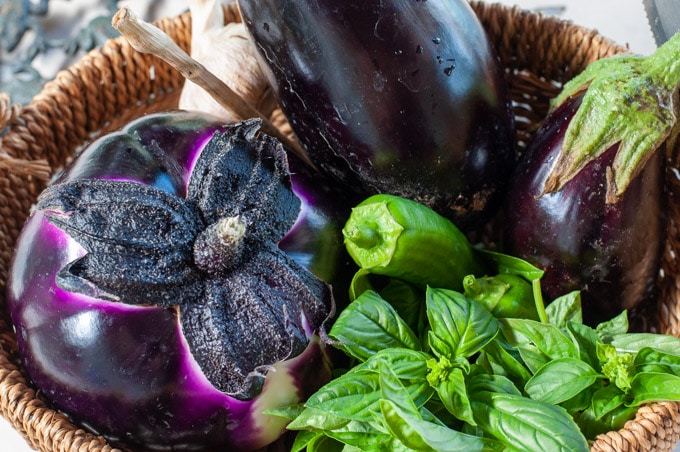
The use of "Whatever" recipe
I have a long list of recipes that can be made with "Whatever" vegetables you have at home: 20 Italian Vegetables Combinations You Can Use For Any Meal
They are the perfect meal to make when you need to use up vegetables in the fridge.
So here are some examples, you can follow the recipe or replace the vegetables with what you have in the fridge:
Primo piatto
- The Perfect Risotto Recipe
- Pasta dishes
- Pasta a Frittata: Italian Fried Pasta
- Vegetarian Rice Timbale with Grilled Aubergine Recipe
Main
One pot
- One Pot Pasta and Potatoes
- Ciambotta, Italian Vegetable Stew
- Creamy Romanesco Broccoli Soup With Cheese and Sausages
- Rice Arancini Recipe Gluten Free and Vegetarian
Casserole
Pizza
Dessert
What to do with leftover meat
You may have some leftover meat you need to use up. There are many different ways you can repurpose that meat, and they will never know:
Make a pie
Pies are perfect for recycling meat or vegetables. Mix them with a bechamel sauce or some gravy, add some herbs, spices and vegetables, make a nice crunchy crust and everyone will eat happily. Here are some ideas:
Wrap it up
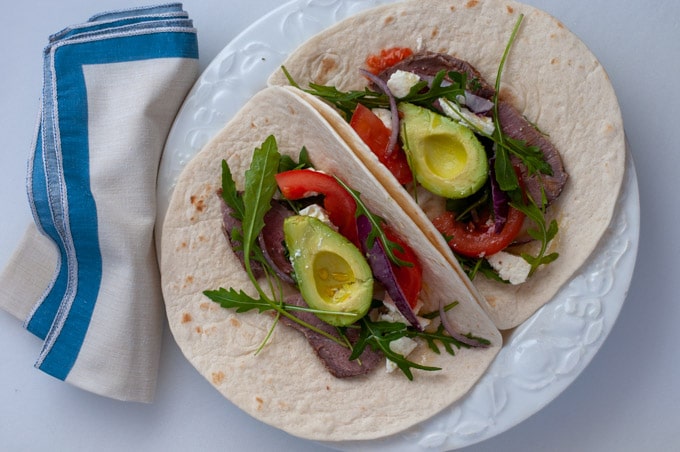
Wraps are a wonderful way to eat fresh vegetables and meat. You can make them with anything, leftover barbecue meat, ham, boiled chicken.
The seasoning is very important: if the meat is too dry use mayonnaise, aioli or greek yoghurt. I like to add avocado and season it with extra virgin olive oil and lemon juice. If you want something sweet, add some balsamic vinegar.
You don't have any wraps at home? Make them yourself:
Authentic Piadina Recipe Italian Flatbread
I don't feel like cooking, it is not a good excuse
"I don't feel like cooking, let's order in"...and throw away the food you have in the fridge?
That is not a good excuse, with all the kitchen gadgets we now have, you can make whatever meal in no time.
Using the right tools at the right time really optimizes your cooking time while improving food flavour.
- The microwave, for example, is a great time saver and perfect for low-calorie meals. Courgettes, broccoli, carrots and cauliflowers can be steamed in the microwave with a tablespoon of olive oil, salt and a tablespoon of water. It only takes 5 minutes, they remain crunchy and you don't have any pots to wash afterwards. Try the recipe: Baked Salmon Fillet In Oven With Steamed Zucchini
- Potatoes are the big winner in microwave cooking. No peeling, I just pierce them with a knife and cover them with kitchen paper, they are ready in 5 to 8 minutes depending on size. If your children don't want to eat steamed potatoes but are craving french fries, cut the cooked potatoes in quarters, add salt and pepper, sprinkle with olive oil and put them in the oven for 15 minutes.
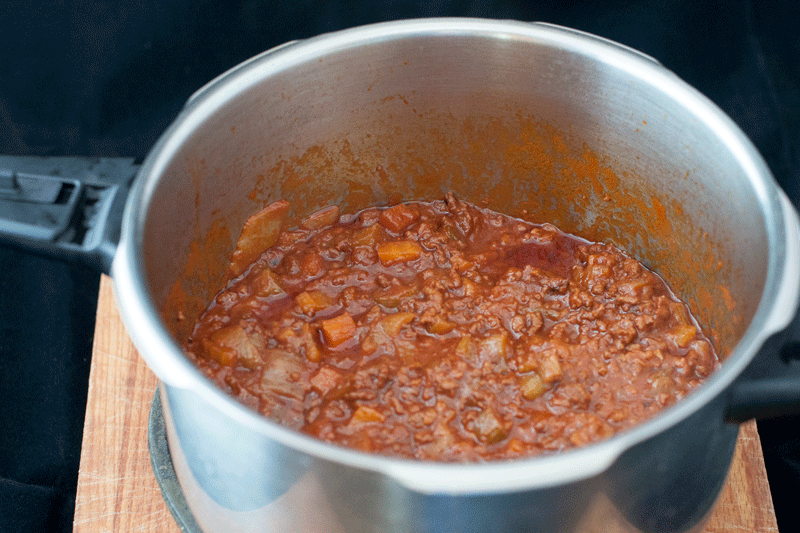
- The pressure pan is another big time-saver; it reduces cooking time to ⅓, and the flavour of the meal is all captured inside. You can have a Bolognese sauce done in 30 minutes and with that, you can make lasagna with an additional 30 minutes.
- With the pressure cooker, you can make stocks in 30 minutes and cook pulses in 15 minutes, or 30 minutes if you want them well cooked and creamy, maintaining a wonderful flavour. In the tradition of cucina povera, legumes serve as a nutritious, filling substitute for meat.
- Every once in a while, cook a large quantity of vegetables and freeze them. The baked ratatouille is one of my favourites for this purpose. You can find more meal prep freezing ideas in my previous article: Once a Month Freezer Meal Prep and in 80 Italian Recipes That Freeze Well. When you don't feel like cooking, these meals are there for you ready in only a few minutes.
- Freeze leftover egg whites to add to a frittata, or to make meringues or pavlova later.
- And remember, some recipes are even better the next day, like the caponata, the parmigiana and stuffed eggplants. The more time passes the better the flavours combine.
Not even scrap waste
I set my target high, would you?
I don't even want to waste scrap: eggshells, vegetable peels or hard leaves, so I compost.
How does a compost work
Compost is a way of recycling your food scrap by transforming it into natural plant fertilizer with the help of bacteria and fungi. It is a natural process for the environment and our health.
I do have the advantage of a garden so it is easier for me. However, you can find a small compost you can keep in the kitchen and use to fertilize your home plants and herbs.
To find out more about compost, you can read the article on the Old Farmer Almanac: How to compost: cold and hot methods.
The Ultimate No Food Waste Solution
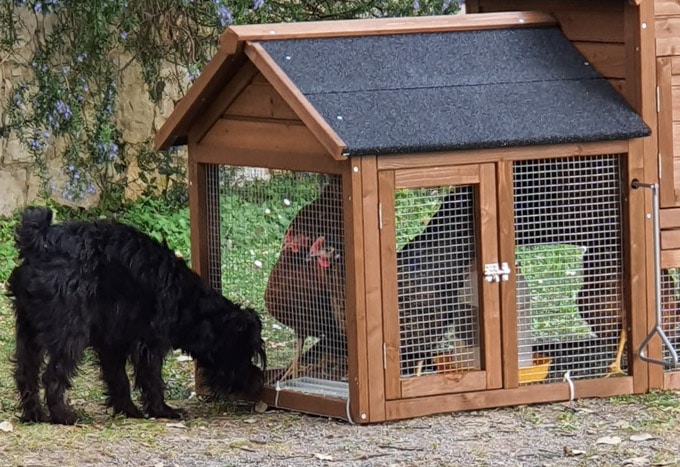
For a few years, I kept hens in my garden.
- they ate my green leaves scraps (cabbage external leaves, broccoli leaves, apple core)
- they ate dandelions from the garden
- they transformed all this rubbish into fresh eggs
Unfortunately, I no longer have hens, as they were eaten by the falcons. But I kept their chicken coop in case I decide to get them again, although they would not be able to run freely in the garden.
I hope you have found some good inspiration in the 5 articles of the series: Organize your kitchen and eat healthily.
Improving the way we eat can benefit our bodies as well as the environment. Plan your time, eat fresh and educate your family for a healthier life.
If your target is also a zero waste kitchen or if you have any other suggestions, leave your comment below I would like to hear from you. You can find more ideas if you FOLLOW ME on Facebook, YouTube, Pinterest and Instagram or sign up to my newsletter.
Leave a Reply