
The regions of Piedmont and Val d'Aosta, located in the northwestern corner of Italy, offer a fascinating culinary journey shaped by their distinct landscapes and historical influences. From the rolling hills and fertile plains of Piedmont to the alpine peaks of Val d'Aosta, their cuisines reflect the unique resources of their environments and centuries of cultural exchange. While Piedmont is renowned for its refined, French-inspired dishes and agricultural richness, Val d'Aosta exemplifies hearty alpine cooking rooted in local traditions. Together, they form a vital part of Italy's diverse gastronomic identity.

Jump to:
Traditional Piedmont and Val d'Aosta recipes
16 dishes you should try in Piemonto and Val D' Aosta:
| Dish | Description | Historic context |
|---|---|---|
| Bagna Cauda | Anchovy and garlic dipping sauce | Originates from Piedmont's salt trade routes (Via del Sale); reflects communal dining traditions. |
| Fondua | Cheese fondue with white truffle | Rooted in Val d'Aosta’s Alpine traditions, using local Fontina cheese and Piedmont’s prized white truffles. |
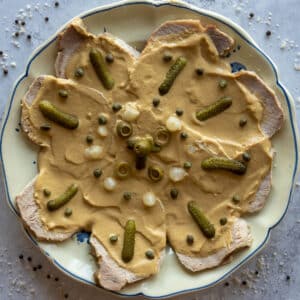
| Vitello tonne' | Poached veal with tuna sauce | Influenced by French sophistication in Piedmontese cuisine during the Savoy court era. |
| Angolotti, cannelloni | Fresh stuffed pasta | Highlights Piedmont’s tradition of artisanal pasta-making, dating back to the 15th century. |
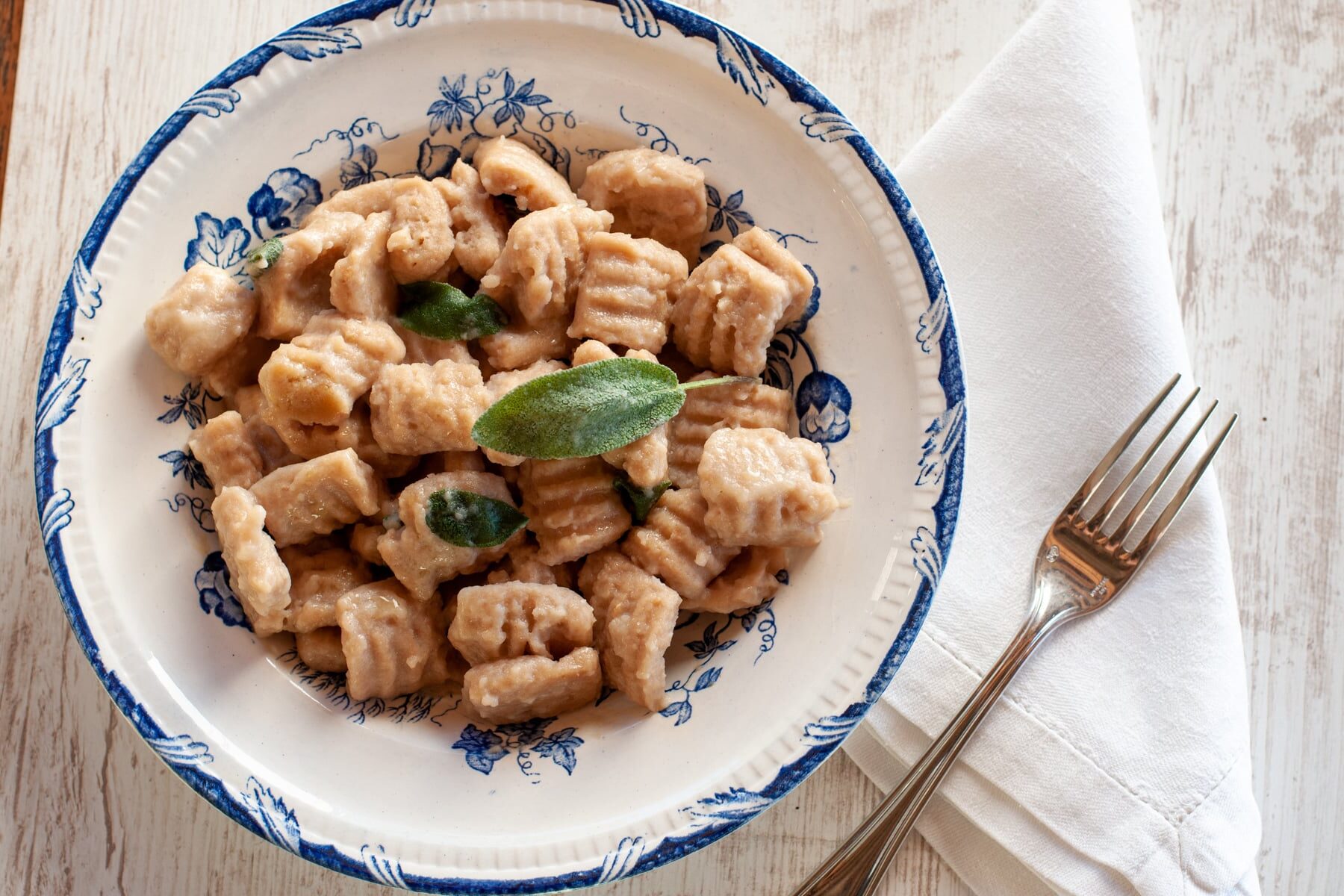
| Gnocchi | Potato and flour dumplings | Became prominent in Piedmont after potatoes were introduced in the 18th century. |
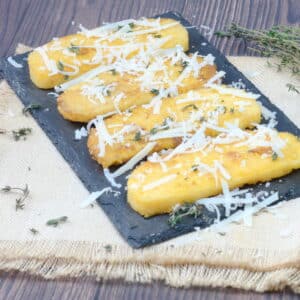
| Polenta alla Piemontese | Polenta with leftover roasted meat | Represents Piedmont’s practical use of leftovers and its reliance on hearty, corn-based staples. |
| Torta verde | Spinach tart, traditionally served at Easter | Celebrates seasonal spring greens, tied to agricultural cycles in Piedmont. |
| Cavolo farcito | Cabbage stuffed with meat | Reflects rural Piedmontese ingenuity in using affordable local ingredients during colder months. |
| Bollito misto | Boiled mixed meats | Influenced by the French pot-au-feu; symbolizes Piedmont’s high-quality beef and communal dining traditions. |
| Brasato al Barolo | Beef braised in Barolo wine | Showcases Piedmont’s renowned Barolo wine and its integration into local cooking traditions. |
| Fritto misto | Veal brain, pork liver, chicken nuggets, lamb chops, eggplants, zucchini, flower blossom, Semolino, mushrooms, trout, frog | Highlights Piedmont’s resourceful and creative use of varied ingredients in a celebratory dish. |
| Lepre in salmi | Hare stew | Rooted in Piedmont’s hunting traditions, featuring game meats and slow-cooking methods. |
| Baci di Dama, Brutti ma buoni and Amaretti | Almond-based cookies | Reflects Piedmont’s confectionery tradition, using local nuts like hazelnuts and almonds. |
| Budino | Pudding | A simple yet indulgent dessert prepared across Piedmont with regional variations using hazelnuts or chocolate. |
| Torta al gianduia, nutella | Chocolate and hazelnut tart | Originates from Piedmont’s innovation during cocoa shortages, blending local hazelnuts with chocolate. |
| Zabaione | Marsala custard | Likely originated in Piedmont; exemplifies the region’s use of eggs and fortified wines in desserts. |
Its historical significance in Italian cuisine
The culinary traditions of Piedmont and Val d'Aosta have been shaped over centuries, reflecting the impact of various historical periods and external interactions.
During Roman rule, Val d'Aosta saw the introduction of viticulture, which laid the foundation for its long-standing winemaking traditions.
Roman legions also brought barley-based soups and hunting techniques, which became integral to the region's diet.
In Piedmont, while specific Roman contributions are less documented, the rebuilding of Turin during this time likely influenced agricultural practices and the region's culinary development.
The Middle Ages marked pivotal changes in both regions.
In Piedmont, the Cistercian monks introduced rice cultivation in the marshy lands of Vercelli, which became a cornerstone of the region's cuisine, inspiring dishes like risotto and panissa.
Food preservation techniques, such as marinating foods in vinegar and spices ("in carpione"), became common.
Meanwhile, Val d'Aosta developed its cheese-making traditions, with Fontina cheese emerging as an essential regional product.
Rye and chestnuts were staples, contributing to simple yet hearty dishes like soups and bread.
Piedmont began refining its cooking techniques and embracing artisanal food preparation, particularly with pasta.
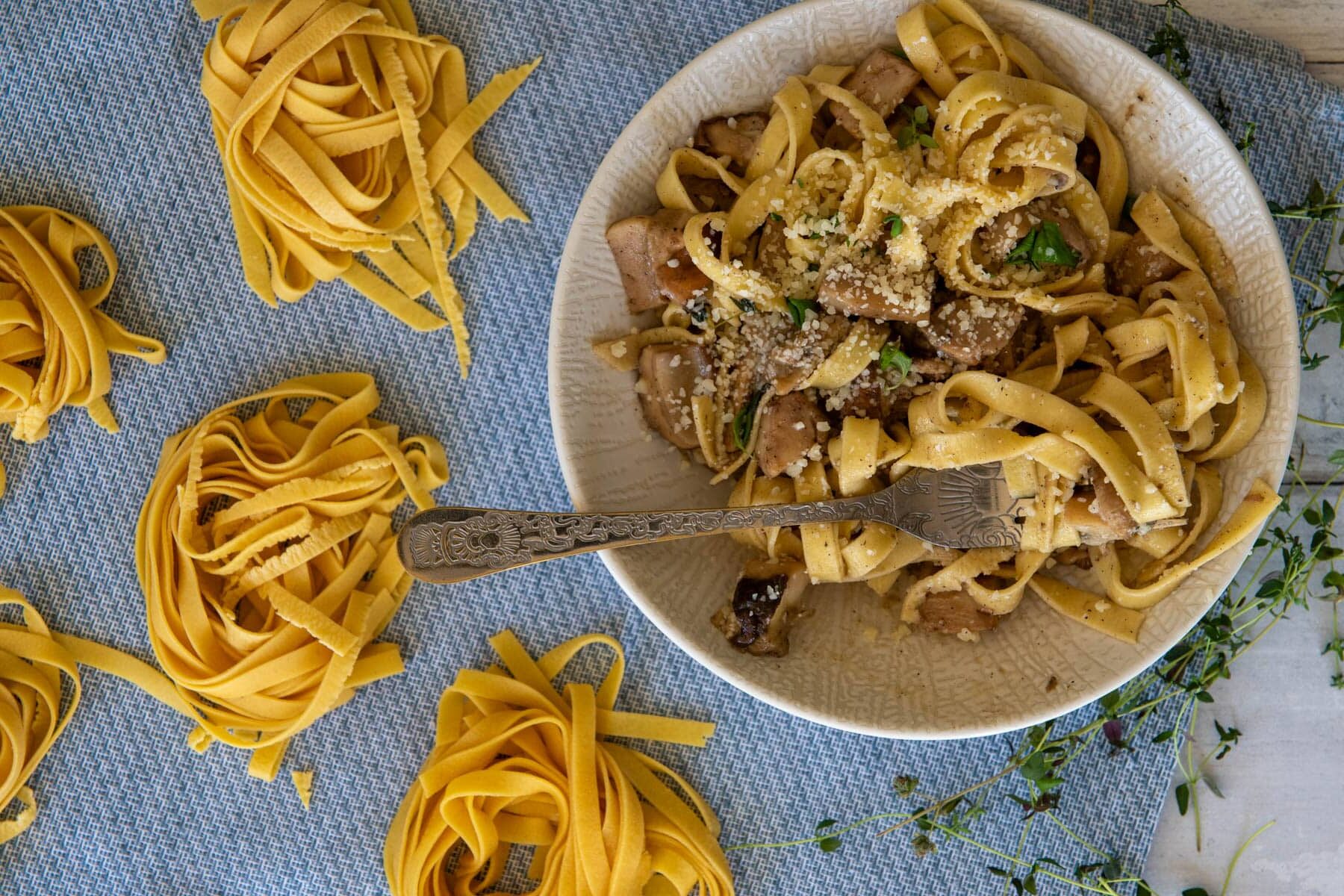
Dishes such as tajarin (egg-rich pasta) and ravioli del plin became central to Piedmontese culinary identity.
In Val d'Aosta, grains like rye continued to dominate, but the focus on cheese production, particularly Fontina, further solidified the region's culinary heritage.
Piedmont's proximity to France brought significant culinary influences during the 17th and 18th centuries.
French meal structures, sauces, and the use of butter were adopted, especially in the royal Savoy court.
This period also saw the publication of "Il cuoco piemontese perfezionato a Parigi" (1766), an adaptation of a French cookbook, which highlighted the blending of French techniques with local ingredients.
In Val d'Aosta, French culinary traditions similarly influenced dishes like fonduta (cheese fondue), reflecting the region's close ties to neighboring France.
The unification of Italy in 1861 elevated Piedmont's cuisine, as the region played a central role in the movement.
The Savoy court's refined, French-inspired cooking gained national recognition, further shaping perceptions of Italian gastronomy.
In contrast, Val d'Aosta faced economic challenges as transportation advances brought competition from southern Italian wines, which impacted its traditional wine trade.
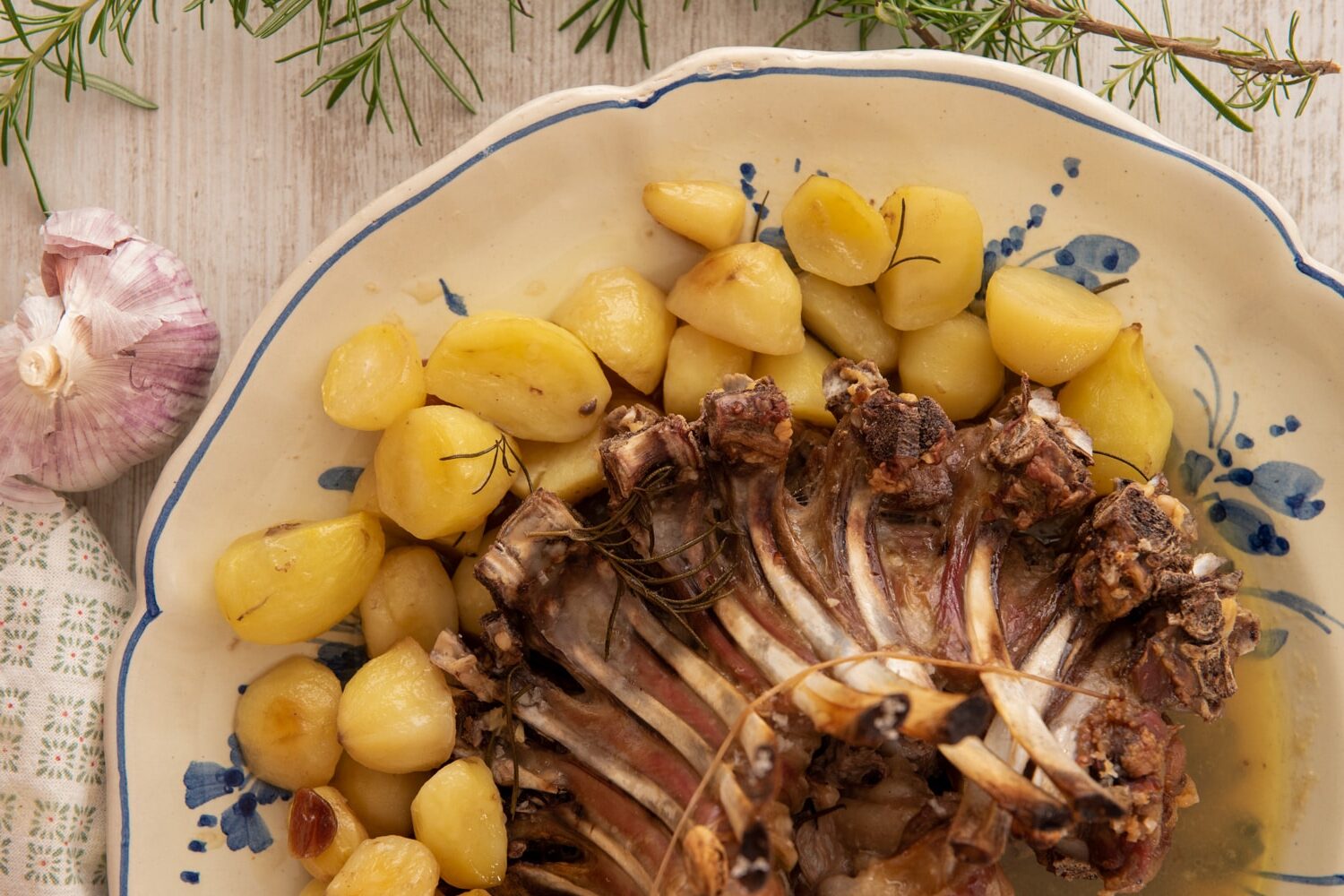
Geographical Diversity and Local Resources
The culinary traditions of Piedmont and Val d'Aosta are deeply tied to their geography and local resources, with each region adapting to its unique environment.
In Piedmont, the fertile plains and rolling hills support an agricultural abundance that has shaped its cuisine.
The region is one of Europe's largest rice producers, with the marshy lands of Vercelli cultivating rice varieties like Arborio and Carnaroli, which are essential for dishes like risotto and panissa.
Piedmont's vineyards produce world-renowned wines such as Barolo and Barbaresco, while hazelnut orchards provide key ingredients for sweets like gianduia chocolate.
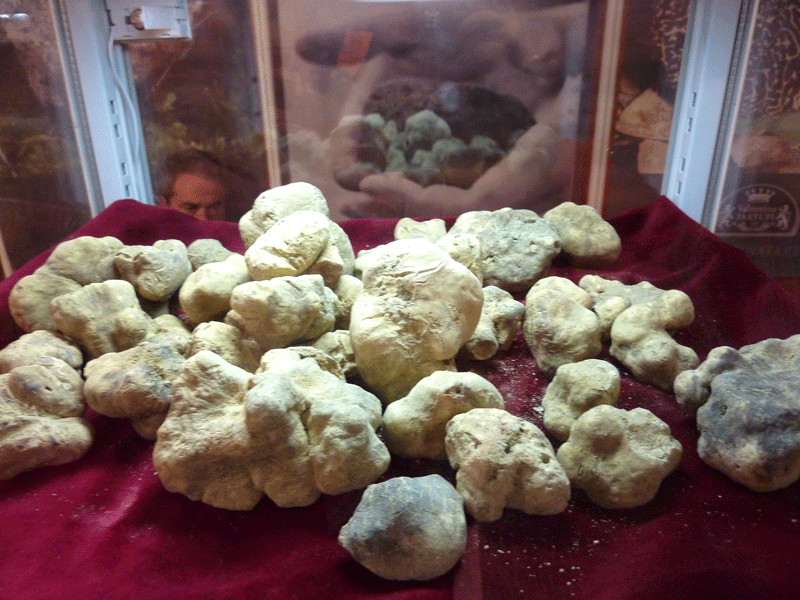
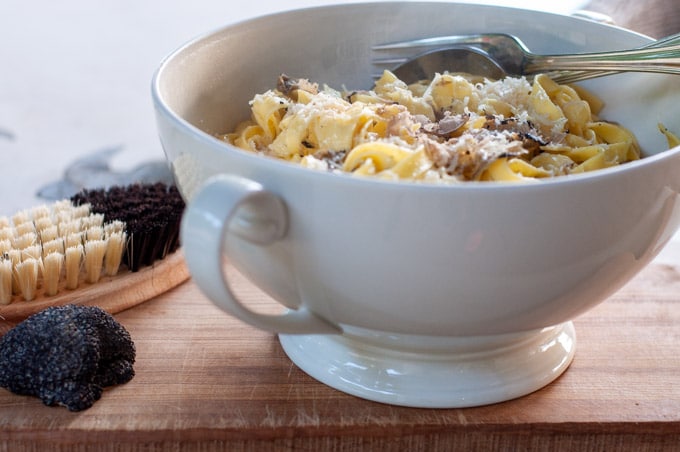
The region's forests yield the prized white truffles of Alba, a cornerstone of Piedmontese cuisine.
However, due to its colder climate, Piedmont diverged from the olive oil-centric Mediterranean diet, relying instead on animal fats like butter, lard, and pork products-a tradition known as "civiltà del maiale" (the civilization of pork).
Harsh winters historically required a focus on food preservation.
Techniques such as curing meats (e.g., salami) and drying fruits and vegetables were common practices, alongside the storage of chestnuts, a crucial survival food.
These preservation methods also shaped culinary techniques, favoring long, slow cooking at low heat to tenderize ingredients and develop rich flavors, as seen in dishes like cotenna di maiale della tofeja (pork rind stew) and bollito (boiled meats).
Val d'Aosta, with its alpine terrain, presents a stark contrast.
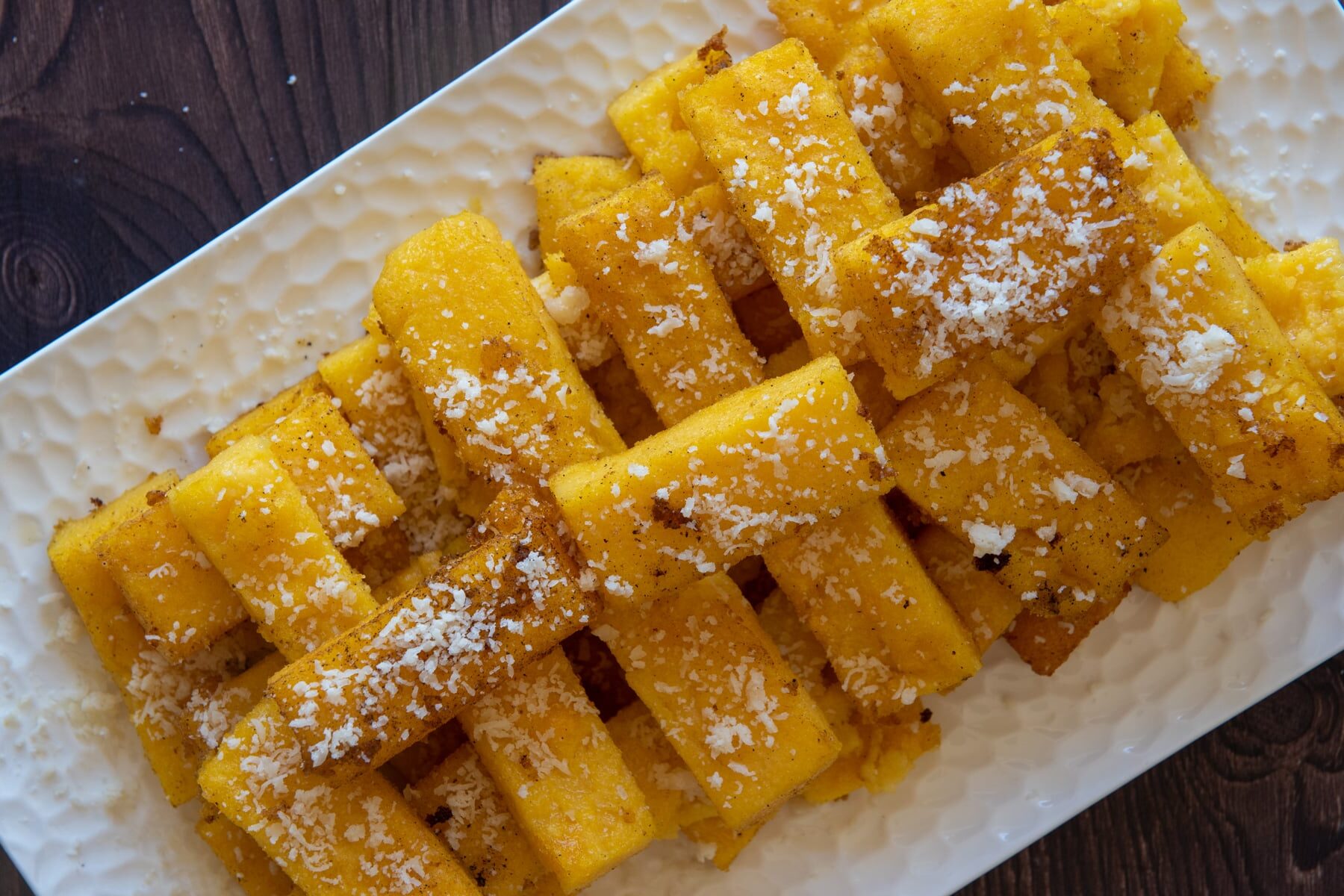
The region's high-altitude pastures are ideal for cattle farming, leading to the production of Fontina cheese, a key ingredient in traditional dishes such as fonduta (cheese fondue) and polenta concia.
Rye, chestnuts, and game meats like venison and chamois have long been staples, reflecting the resourcefulness of the local population in adapting to the rugged environment.
Preservation techniques, such as salting and curing meats like mocetta and boudin, were similarly essential for enduring long winters.
Both regions display a remarkable ability to adapt to their geographical conditions.
Piedmont's agricultural abundance fosters refined dishes featuring rice, wine, and truffles, while Val d'Aosta's reliance on dairy, grains, and preserved foods reflects its alpine identity.
Cities Exchange and Interactions (Trade)
The unique geographical positioning of Piedmont and Val d'Aosta at the crossroads of Italy, France, and Switzerland has made trade and exchange central to their culinary evolution.
Both regions benefited from historic trade routes, which facilitated the movement of goods, ingredients, and culinary ideas, shaping their distinct food traditions.
Piedmont served as a key hub for trade, particularly along the "Via del Sale" (Salt Route), which brought essential salt from Liguria.
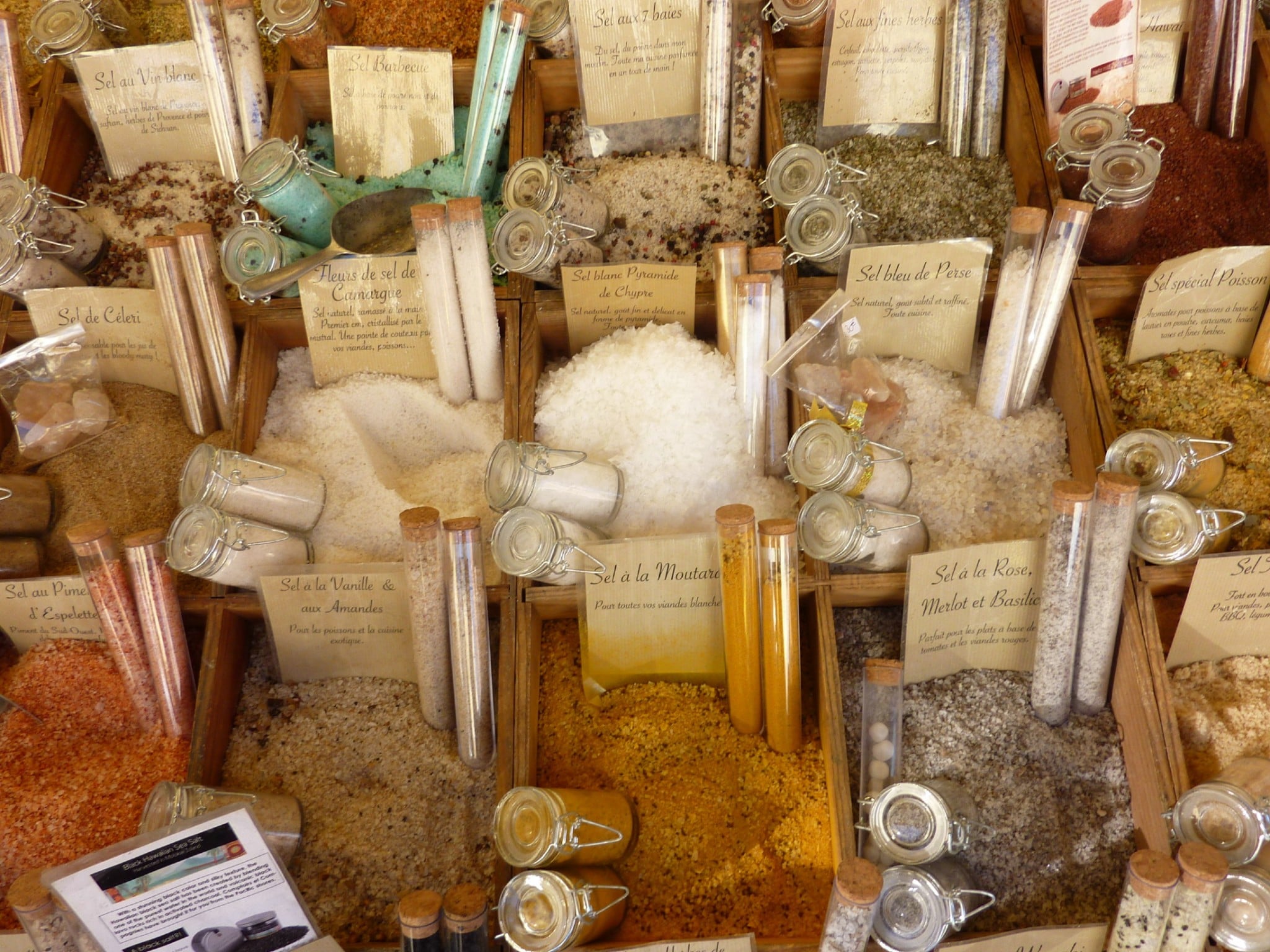
This introduced new food preservation techniques and ingredients like anchovies, which became integral to dishes such as bagna cauda, a warm dip featuring garlic, anchovies, and oil.
Piedmont was also a center for the export of its high-quality agricultural products, including rice from Vercelli and wines like Barolo and Barbaresco, which gained international acclaim.
Trade connections also played a role in the rise of the region's chocolate industry, with Turin becoming a significant producer of hazelnut-based sweets like gianduia.
These exchanges not only influenced the ingredients used in the region but also its culinary practices, as seen in the adaptation of French techniques into Piedmontese recipes.
Val d'Aosta's location in the Alps placed it at the heart of trade networks between Italy, France, and Switzerland.
This facilitated the exchange of both goods and culinary traditions.
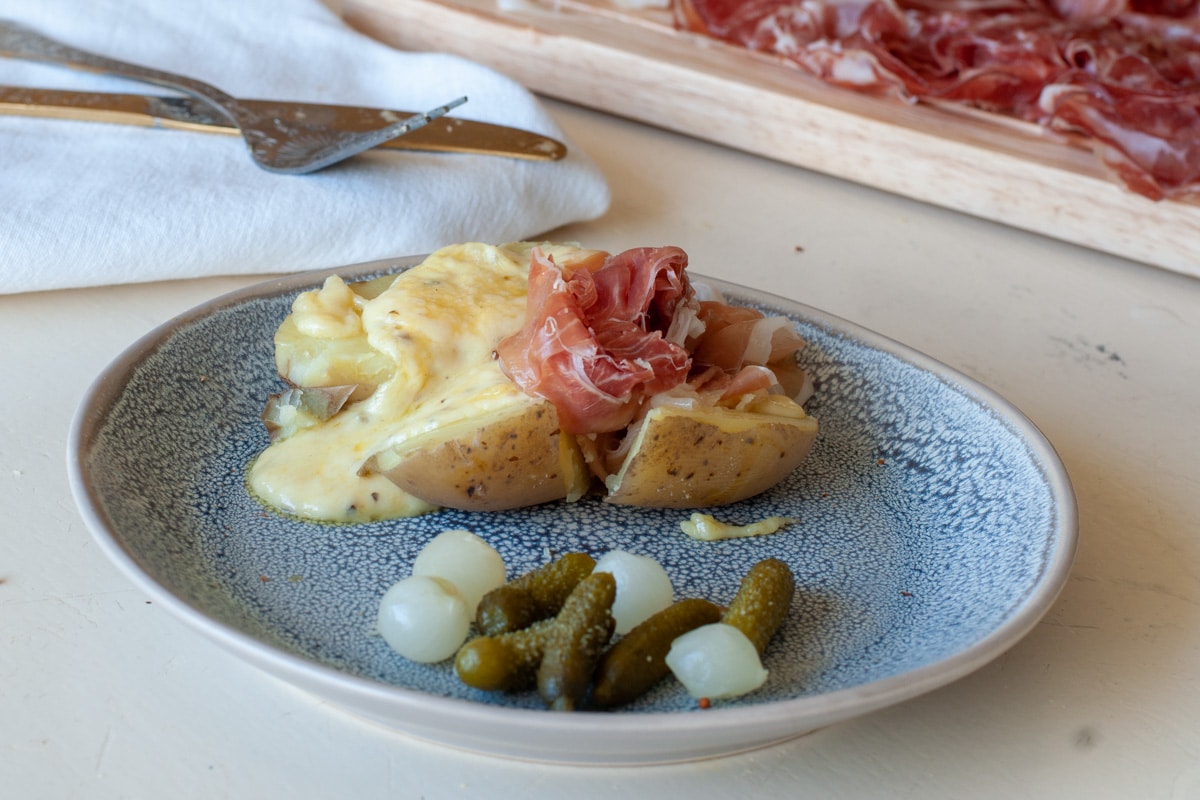
Alpine products such as cheeses, including the renowned Fontina, were traded across borders, while techniques for curing meats and making sausages, like mocetta and boudin, were influenced by Swiss and French methods.
The region also imported spices and other goods that enhanced its rustic dishes. Additionally, Val d'Aosta's viticulture benefited from these trade connections, allowing local wines to reach broader markets.
Piedmontese Cuisine and French Influence
Piedmontese cuisine reflects a rich blend of local traditions and French culinary influences, shaped by the region's geographical proximity to France and the historical ties of the Savoy court.
During the late 17th and early 18th centuries, French cuisine gained prominence across Europe, and Piedmont became a channel for its refinement.
The publication of Il cuoco piemontese perfezionato a Parigi in 1766, an adaptation of Menon's La cuisinière bourgeoise, exemplified this influence.
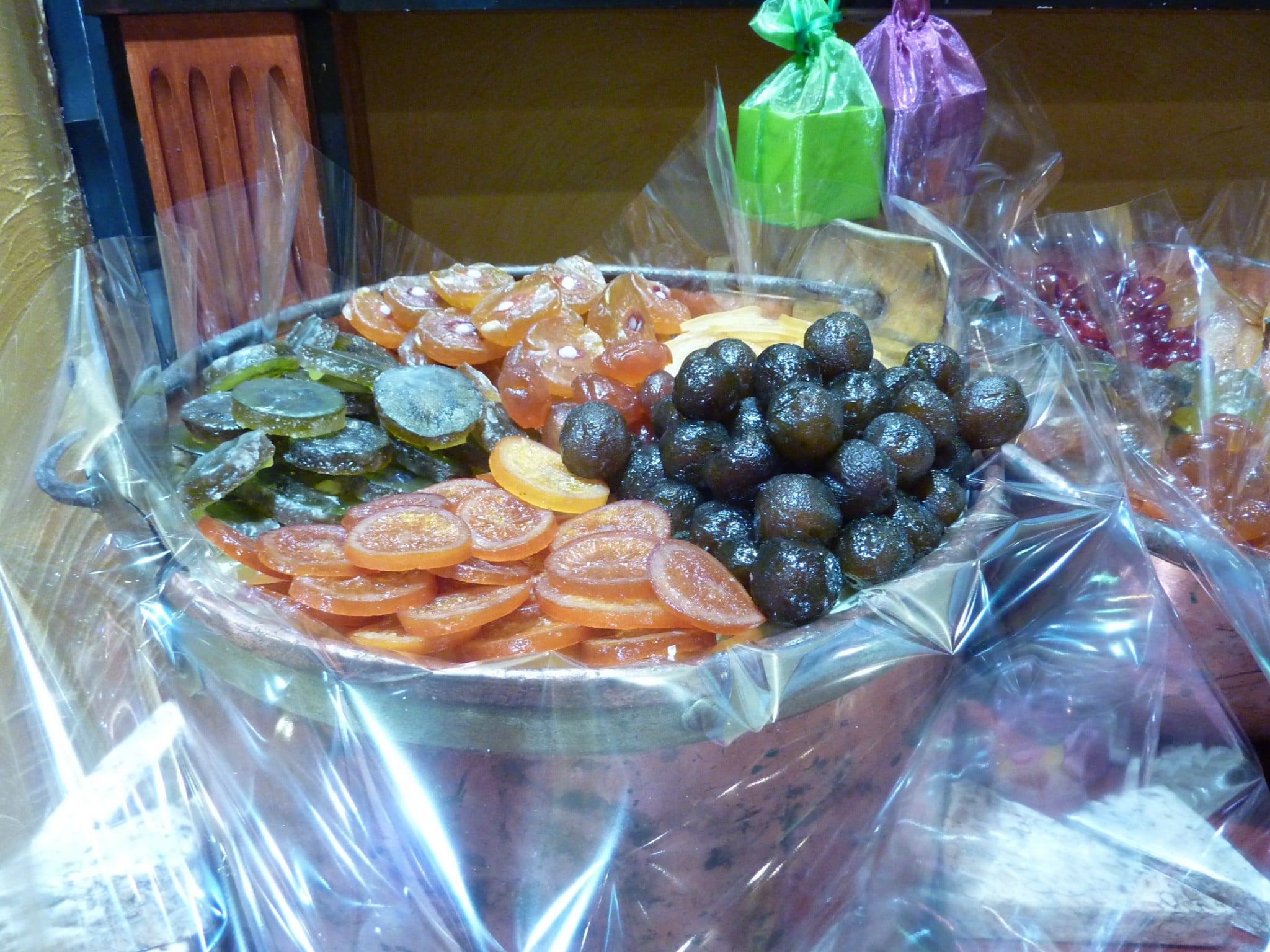
The cookbook introduced a practical, bourgeois style of cooking, offering precise instructions for making jams, candied fruits, syrups, flavored waters, and liqueurs.
Its popularity, seen in reprints across Venice and Milan, highlighted how deeply French culinary techniques had permeated Italian kitchens, particularly in Piedmont.
The aristocracy in cities like Turin embraced French-inspired sophistication in their dining habits.
Elaborate meal structures, rich sauces, and the use of butter replaced the olive oil more common in other Italian regions.
Signature dishes such as vitello tonnato (veal with tuna sauce) and bollito misto (a mixed boiled meat dish) showcased the availability of high-quality meats and imported ingredients like anchovies.
Desserts like hazelnut-based gianduia and candied chestnuts (marrons glacés) reflected the region's access to exotic ingredients, such as sugar and cocoa, through trade.
Despite French critics often dismissing Italian contributions to gastronomy as excessive, Piedmont maintained pride in its culinary heritage.
Italians countered by developing the Catherine de' Medici legend, claiming that Italian cooks introduced refinement and "good taste" to France during her marriage to Henry II-a narrative that, while historically inaccurate, symbolized Italian pride and cultural significance.
Over time, Piedmontese cuisine has evolved into its own distinct identity while retaining some French-inspired elements.
Today, it is defined by the abundant use of butter and lard, the careful use of garlic in dishes like bagna cauda, and an emphasis on high-quality local ingredients, including Sanato veal, truffles, and cheeses.
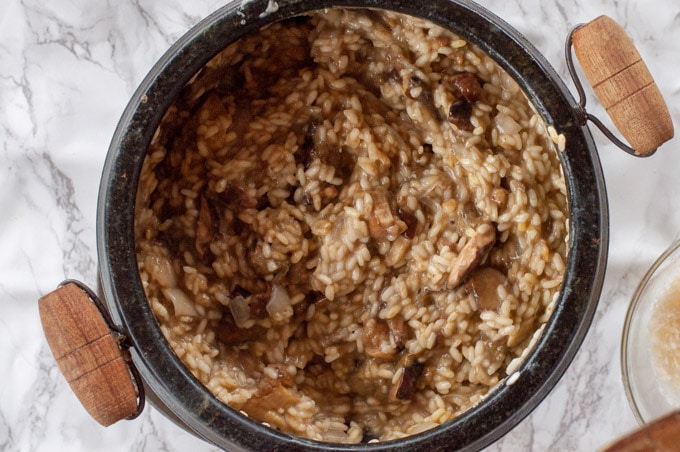
The reclamation of Piedmont's marshy lands by Cistercian monks in the Middle Ages also paved the way for rice cultivation, leading to iconic dishes like panissa, a risotto made with beans and sausage.
Piedmont's culinary traditions demonstrate a seamless blend of local innovation and external influences, making it a cornerstone of Italy's gastronomic heritage.
Conclusion
The cuisines of Piedmont and Val d'Aosta reflect the deep connection between geography, history, and culture.
Piedmont's fertile lands and French influence shaped a refined and agricultural gastronomy, while Val d'Aosta's alpine environment fostered hearty, resourceful cooking rooted in local traditions.
For more Italian regional recipes, you can check out the articles:
A History of Italian Cuisine: Exploring Regional Diversity & Authentic Flavors and 32 Most Popular Italian Street Food Recipes To Try




Leave a Reply