
The Feast of the Seven Fishes, known to us simply as La Vigilia di Natale, is the tradition of abstaining from meat on Christmas Eve while waiting for the birth of Jesus. While customs vary across Italy-with some inland regions taking a more relaxed approach-my family in the coastal South has always strictly dedicated this night to the sea. Here, I share not just the recipes, but the traditional planning techniques I use to orchestrate this lavish banquet without the stress.

Jump to:
- La Vigilia vs. The Feast of Seven Fishes
- The Stress-Free Strategy
- Aperitivo (The Warm-Up)
- Antipasti (To Serve or Not to Serve?)
- Primi Piatti (The First Course)
- Dolci (The Grand Finale)
- Digesting the feast
- For a signature gift, add a professional label and a recipe book to print to your homemade liqueur.
- Setting up an Italian dinner table
- Other Non-Italian Seafood Ideas
La Vigilia vs. The Feast of Seven Fishes
Some wonder if the "Feast of the Seven Fishes" is a genuine Italian tradition.
It is, though in Italy we simply call it La Vigilia di Natale.
The custom is rooted in the Catholic practice of mangiare di magro, abstaining from meat the night before Christmas to await the birth of Jesus.
While habits vary across Italy-with some inland families adopting a more relaxed approach-my experience is rooted in the coastal South.
Having spent a lifetime of Christmases there, my family always strictly dedicated the 24th to the sea.
This all-seafood tradition is well-documented in the "bibles" of Italian cuisine. From Pellegrino Artusi to Ada Boni's Il Talismano della Felicità and the La Cucina Italiana collection from the 1970s, every authoritative text reports a Vigilia menu based strictly on seafood.
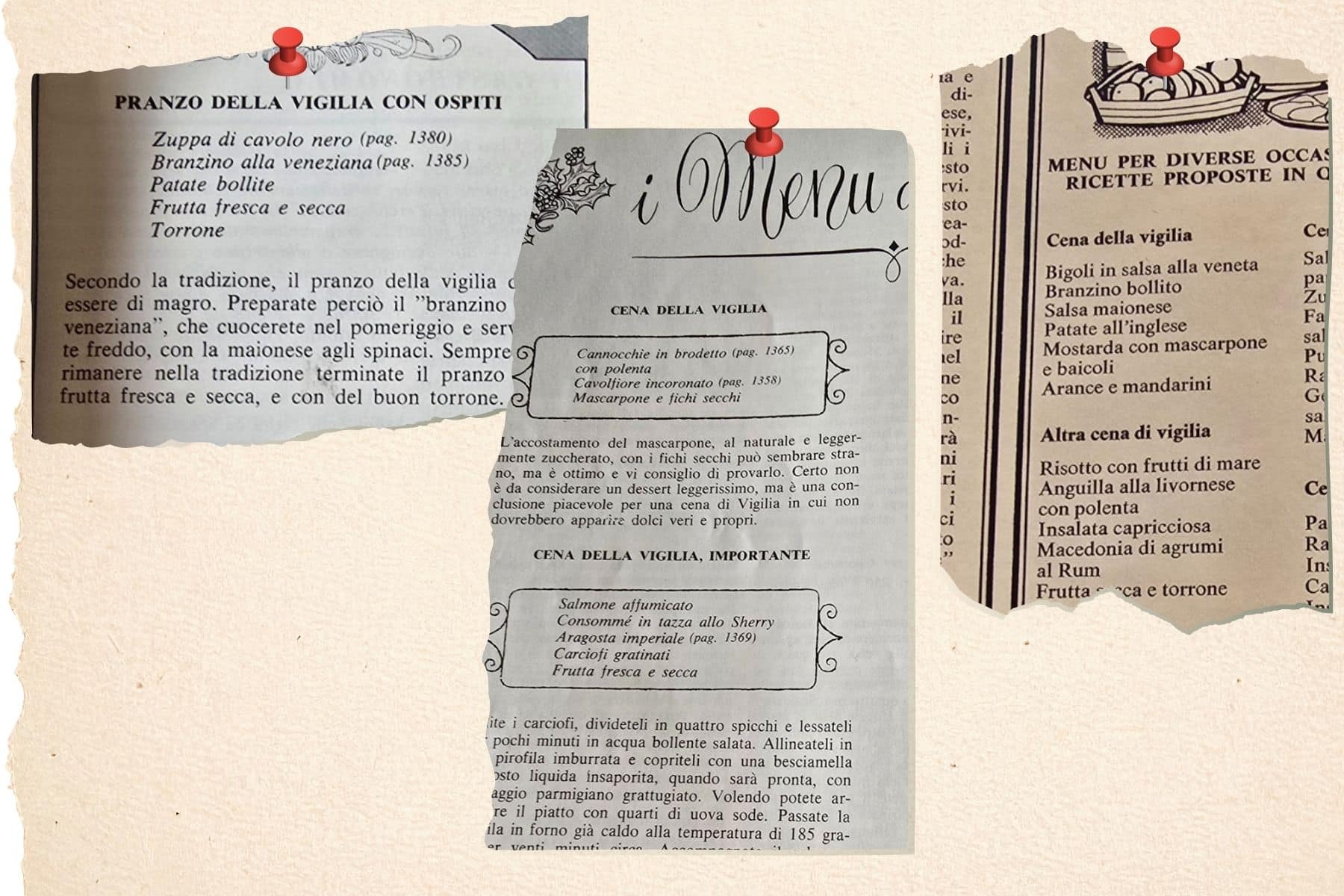
Interestingly, none of these texts specify the number "seven".
The "seven" is likely an American addition, perhaps referencing the seven sacraments.
For us, the rule is simply a sumptuous banquet of fish, which also serves a practical purpose: it is easier to digest before the heavy meat feast of Christmas Day.

The Stress-Free Strategy
The biggest mistake is trying to cook seven main dishes or sticking to a rigid plan.
An authentic Italian menu-especially when dealing with seafood-is never set in stone; it is dictated strictly by the fresh catch found at the market that morning.
Once the fresh ingredients are secured, we spread the seafood across the entire evening, starting from the Aperitivo and moving through the Antipasto, Primo, Secondo, Contorno, and Dolce.
The secret to a stress-free Vigilia is a menu that mixes cold, make-ahead, and limited last-minute dishes, combined with family collaboration.
In Italy, the host is never alone.
Whether it is an uncle acting as "fry master"-like my father did-or relatives bringing their own specialties, everyone contributes.
This shared effort creates a rich assortment of dishes and makes the preparation part of the celebration itself.
Aperitivo (The Warm-Up)
The Aperitivo is the perfect way to manage the flow of the evening while waiting for all the guests to arrive.
It is served standing up, usually in the living room, creating a relaxed atmosphere before the formal dinner begins.
It also serves a practical purpose: it keeps the early birds entertained, and for those who are late... well, they will just miss out on the fresh nibbles!
- Simple Nibbles: Alongside the crispelle, we put out simple stuzzichini like olives and nuts. Since this is a meat-free night, we skip the usual cured meats.
- The Drink: We typically serve Prosecco or a Spritz.
- The Absolute Must: Fried Dough Crispelle. In my home, it simply isn't Vigilia without these. The dough is a very fluid pizza batter made with yeast, so I prepare it early in the morning to allow it plenty of time to rise. Traditionally, they are filled with a small piece of anchovy; that salty, umami flavor beautifully balances the sweetness of the aperitivo. For those who don't love anchovies, I also make versions filled with sun-dried tomatoes or ricotta.
- The "Fry Master" Secret: Since Crispelle must be eaten hot and fresh, they require a last-minute "fry master." I find an electric deep fryer to be an essential tool for Christmas Eve. I set it up outside so the house doesn't smell like fried food before the guests even sit down, and it allows us to fry large batches quickly and efficiently.

Antipasti (To Serve or Not to Serve?)
Since we started with a rich Aperitivo like the Crispelle, whether you serve a formal Antipasto depends entirely on your Primo Piatto (First Course).
- The Rule of Balance: If your Primo is a substantial dish like a heavy pasta, risotto, or a seafood Timballo, you can skip the Antipasto altogether to avoid overfeeding your guests.
- The Alternative: If you want to serve a full spread of Antipasti, keep the Primo light-for example, a delicate seafood soup or Minestra.
The Warm Antipasto (Make-Ahead & Flash Fry/Bake)
If you serve appetizers, the Italian rule is to serve the warm dishes first.
The genius of these warm appetizers is that all of them can be assembled ahead of time-breaded, stuffed, or mixed-and simply fried or baked at the very last minute.
Since the "fry master" already has the deep fryer going for the Crispelle, we utilize the hot oil for these festive specialties:
- Fried Calamari (Calamari Fritti): Crispy squid rings are best eaten immediately. Since the oil is hot, batch them right after the crispelle.
- Whitebait Fritters (Frittelle di Neonata or Rossetto): These are delicate fritters made with tiny, seasonal fish. They are a rare treat that tastes like the pure essence of the sea.
What is Italian Neonata? Often mistaken for juvenile fish, Neonata (or Rossetto) are actually small adult Transparent Gobies (Aphia minuta) harvested during the winter months. Unlike Bianchetti (baby sardines or anchovies), these delicate fish are a distinct species and a prized seasonal delicacy.
- Uova alla Monachina: Since the fryer is on, this is a unique festive starter that pairs beautifully with a seafood dinner. It is a hard-boiled egg filled with a mixture of yolk and ricotta (instead of the heavier béchamel), then breaded and fried. These are labor-intensive, so I make them weeks in advance and freeze them. On Christmas Eve, I fry them directly from frozen-stress-free and delicious.

For a non-fried warm option:
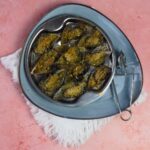
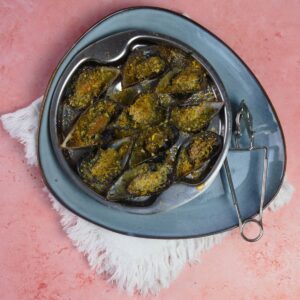
- Cozze Gratinate (Gratin Mussels): These are mussels on the half-shell topped with seasoned breadcrumbs, garlic, and parsley. You can prepare the trays in the morning and simply broil them in the oven for 5 minutes right before serving.
The Cold Antipasto (Make-Ahead)
Once the hot items are enjoyed, move to the refreshing cold dishes. These cleanse the palate and are completely hands-off during the dinner.
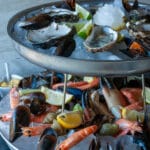
- Ultimate Seafood Platter: For a true showstopper, nothing beats a chilled tower of seafood (plateau de fruits de mer). Piled high with oysters, prawns, and whelks on ice, it is the ultimate expression of abundance. While often associated with our French neighbors, it fits perfectly with the Vigilia spirit, feeds a crowd, and best of all-requires absolutely no cooking.
- Italian Octopus Salad (Insalata Di Polpo): Served at room temperature, this staple improves after marinating overnight.
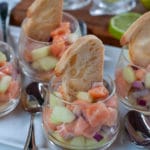
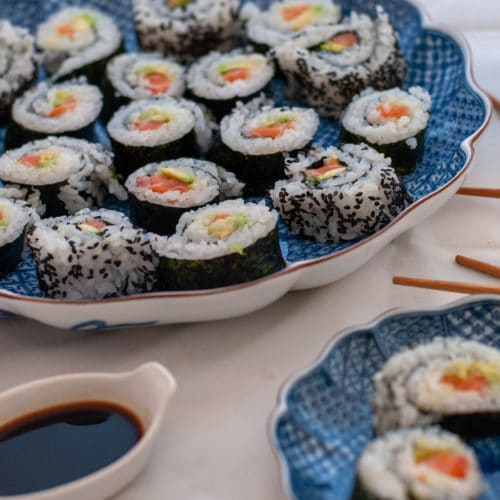
- Easy Fresh Salmon Tartare: A modern, fresh addition prepared with raw salmon, cucumber, and lemon.

Primi Piatti (The First Course)
The choice of your Primo (First Course) is dictated by how much you served in the previous courses.
Option A: The Light Warm-Up (If You Served Antipasti)
If you served the full spread of fried and cold appetizers, your guests will need a lighter first course to save room for the main event.
A warm, liquid-based dish is perfect here.
The best part is that most soups can be made the day before and simply warmed up just before serving, saving you precious stove space.
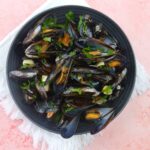
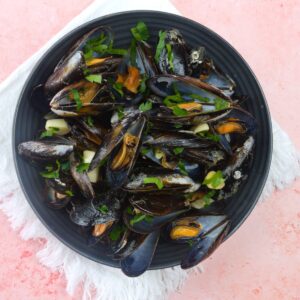
- Cozze lalla marinara and Pepata di Cozze (Impepata): Often misunderstood abroad as a main course, in Italy, this is eaten more like a soup. It is a dish of pure simplicity-mussels cooked quickly in a pot with plenty of black pepper and their own juices. While this must be done last minute, it takes only 5 minutes to cook, so it won't disrupt your evening. Served with crusty bread to soak up the broth, it is the perfect light transition between the appetizers and the roasted fish.
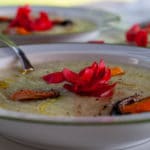
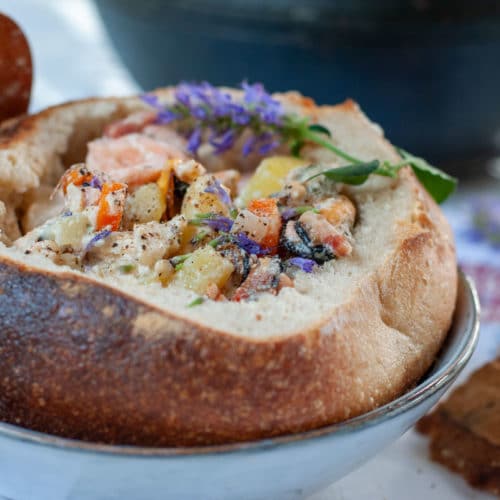
- Italian Chayote Squash Soup with Mussels: This is a fantastic alternative to a heavy seafood chowder. It is gluten-free and dairy-free, relying on the creamy texture of the chayote squash rather than cream or flour. The bitterness of the broccoli rabe balances the sweetness of the mussels perfectly.
- Fish Consommé: For something incredibly elegant and light, serve a clear Strong Fish Broth (Fumet). It warms the stomach without filling it, preparing the palate for the roasted fish to come. You can garnish it with some light steamed vegetables or, for a fancy serving, some lobster bites.
Option B: The Main Primo (If You Skipped Antipasti)
If you decide to skip the antipasti or keep them minimal, the Primo becomes the main focus of the meal.
If you are hosting a large gathering, be careful with quantities.
Cooking a massive amount of pasta in one pot often compromises the quality of the outcome-it is harder to drain perfectly al dente and difficult to sauce evenly.
In Italy, we often solve this by preparing 2 or 3 different primi piatti in smaller quantities, one of them often purely vegetable-based.
This offers a lighter alternative to the rich seafood dishes and provides a delicious option for guests who might want a break from fish.
3 Techniques for the Perfect Italian Seafood Pasta:
To ensure the best results for your seafood pasta, focus on these three essential techniques:
- Let the Market Decide the Menu: The best flavor comes from freshness, not the recipe itself. Instead of deciding on a specific dish beforehand, look for the freshest catch at your fishmonger that morning.
- The White Wine Deglaze: To achieve depth of flavor, deglaze your seafood base with dry white wine. This acidity cuts through the richness of the olive oil and lifts the natural sweetness of the sea.
- Keep the Heads On: For the most intense flavor, use whole, uncooked prawns. The true essence of the shellfish is concentrated in the head, which releases its rich juices into the sauce as it cooks.
Once you have your fresh ingredients, here is how to choose the right recipe based on your timing:
1. Make-Ahead and Bake (The "Oven" Strategy)
These are the stress-savers. You assemble them hours (or even a day) in advance and simply slide them into the oven when guests arrive.
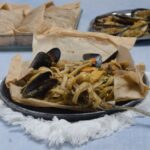
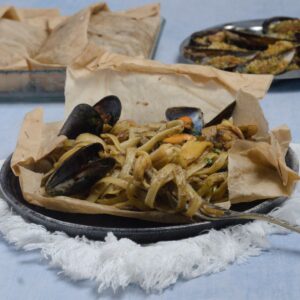
- Pasta Mari e Monti al Cartoccio: This technique involves wrapping the pasta with seafood and mushrooms in parchment paper. It seals in the flavors and allows you to prep the packets beforehand, baking them just before serving.
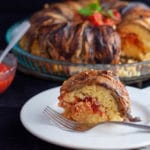
- Vegetarian Rice Timbale: This is the perfect vegetable-based option. It looks elegant on the holiday table, offers a break from the seafood, and is ideal for children or guests who prefer a lighter dish.
- Seafood Lasagna: A luxurious alternative to the meat classic, layered with béchamel and a rich seafood ragu. However, keep in mind that a luscious meal like this is so filling that it often replaces the need for a Secondo entirely.
2. Sauce Ahead, Cook Last Minute (The Traditional Way)
For these recipes, you can prepare the sauce in the morning or the day before. When it is time to eat, you simply boil the pasta and toss it in the warmed sauce.
Remember: unless baked, pasta must be cooked at the very last minute.
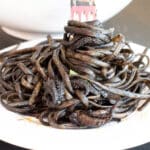
- Pasta with Squid Ink: Don't be afraid of the color! This dish allows you to really taste the sea.
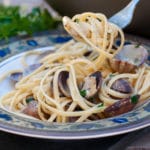
- Linguine alle Vongole: A timeless classic using fresh clams. Ensure the clams are purged of sand beforehand.
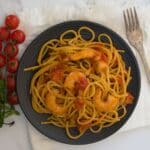
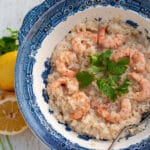
- Pasta with Prawns and Cherry Tomatoes: A sweet and light sauce made with shallots and fresh basil that balances well with the rest of the meal.
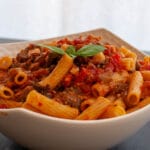
- Pasta with Swordfish Ragu: A delicious ragu made with swordfish and eggplants, offering a meaty texture without the meat.
3. No-Prep & Fancy (The Pantry Heroes)
These require almost no preparation but rely on high-quality ingredients to make the dish feel festive.
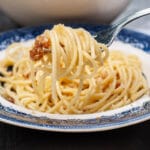
- Spaghetti alla Bottarga: Cured mullet roe (Bottarga) brings an intense, savory sea flavor. It is the perfect solution for a last-minute dinner as the ingredients have a long shelf-life.
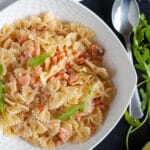
- Smoked Salmon Pasta: Ready in less than 15 minutes. The smoked salmon adds a festive touch, while lemon zest and black pepper keep it fresh without the need for heavy cream.
A Note on Risotto
You might notice I haven't listed a risotto here. While delicious, I do not recommend serving risotto at a dinner party.
A proper Italian risotto requires complete attention for at least 20 minutes of continuous stirring.
There are no shortcuts here-using a pressure cooker or Instant Pot produces a result that has nothing to celebrate.
Unless you have a dedicated person willing to leave the table and work over the stove while everyone else socializes, skip it completely.
Secondi Piatti (The Main Course)
In an authentic Italian menu, especially with seafood, the Secondo is not the massive main event you might see in other cuisines.
Since your guests have likely already eaten appetizers and a substantial bowl of pasta, they will be starting to feel full.
There is no need to prepare huge portions; the seafood Secondo should be elegant, flavorful, but manageable.
The smartest way to handle this course on Christmas Eve is to use the oven.
While you were boiling the pasta, the main course should have been quietly cooking itself, keeping your stove free.
1. The Stuffed Classic (Lighter & Make-Ahead)
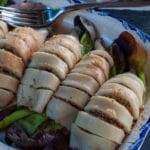
- Stuffed Calamari: This is a true classic of the Italian Vigilia. Unlike the heavy stewed versions, this is a lighter white wine recipe with no tomato sauce, making it perfect for a large dinner party where guests are already eating multiple courses. The squid tubes are filled with breadcrumbs, garlic, parsley, and Parmesan. I recommend preparing this the day before; sitting in the fridge allows the flavors to melt together beautifully. You simply need to warm it up before serving.
2. The "Oven Strategy" (Hands-Off)
These dishes are impressive but forgiving. They allow you to sit with your guests while the oven does the work.
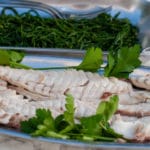
- Whole Sea Bream in Salt: This is very festive but, in fact, very easy to make. You encase the whole fish in coarse salt and bake it, sealing in the moisture so it never dries out. The only challenge is the serving and cleaning of the fish at the table, so I recommend finding a volunteer to handle that task while you relax!
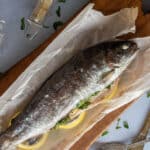
- Trout in Parcel (Al Cartoccio): A fantastic option for inland regions where river fish like Trout are more common. The fish is baked inside a parchment paper packet with herbs and lemon, steaming in its own juices. This technique works equally well with sea fish like Orata (Sea Bream) or Branzino (Sea Bass).
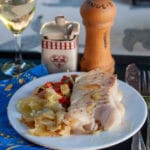
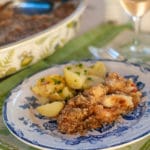
- Baked Cod with Potatoes: A rustic classic where cod fillets bake on top of a bed of thinly sliced potatoes and onions. The fish stays soft, while the potatoes become crisp and absorb the savory flavors.
- Cod and Salmon Fish Pie: In Italy, savory fish pies are traditionally made with Stocco (dried stockfish). However, Stocco has a pungent flavor and chewy texture that not everyone appreciates. My alternative is a creamy pie made with fresh cod and salmon. While not strictly a traditional Italian Christmas recipe, it is a fantastic alternative for a stress-free dinner. It is hearty, bone-free (great for children), and the crispy breadcrumb topping adds a festive texture.
3. The Messina Strait Tradition (Swordfish)
Swordfish is typical in the Messina Strait (between Calabria and Sicily), so it is often the centerpiece of our dinner parties.
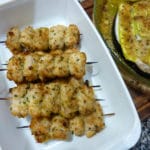
- Swordfish Rolls (Braciolette): These small rolls of swordfish filled with seasoned breadcrumbs are a traditional Sicilian recipe. They can be treated as a small "side secondo" or a lighter main option. You can assemble them ahead of time and bake them quickly at the last minute.
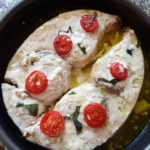
- Baked Swordfish Wheel: If you are hosting a large family, this is perfect. A single "wheel" can serve up to 8 people. It cooks in a Bain Marie to stay moist and makes for a stunning centerpiece without requiring you to plate individual fillets.
Contorni (Side Dishes)
Since seafood dinners can be rich, especially if you have included fried items, the side dishes should provide freshness and acidity to cleanse the palate.
In Italy, we keep these very simple to let the quality of the vegetables shine.
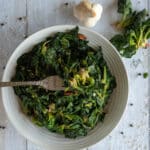
- Stir-Fried Spinach or Chard: For a cooked vegetable option, we simply blanch spinach or Swiss chard and then stir-fry it in a pan (ripassata) with olive oil and a clove of garlic. It is a healthy, warm side that adds color to the table without competing with the flavors of the seafood.
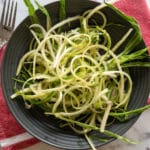
- Puntarelle alla Romana: Growing up in Rome, this was our classic winter salad. Puntarelle are the tender shoots of a specific variety of chicory (Catalogna). They are crunchy and have a slightly bitter flavor that pairs perfectly with fish. I like to keep the tradition alive by serving them with the classic Roman dressing made of pounded anchovies, garlic, and vinegar.
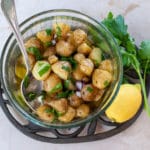
- Sicilian Potato Salad (Salmoriglio): Forget heavy mayonnaise-based potato salads. In the South, we dress boiled potatoes with a Salmoriglio-a simple emulsion of extra virgin olive oil, lemon juice, garlic, and plenty of fresh parsley. It is light, zesty, and complements grilled or salt-baked fish beautifully.
Dolci (The Grand Finale)
In Italy, dessert at Christmas is never a single dish-it is a spread.
The beauty of the Vigilia dessert table is that almost everything is either long-lasting, made weeks in advance, or bought from the best local artisans.
This means absolutely zero stress on the night itself.
- The Artisanal Classics (Panettone & Pandoro): We rarely bake these at home. Instead, we buy high-quality artisanal Panettone or Pandoro from our favorite local pasticceria. To make them even more festive, serve slices with a homemade sauce.
- The Creamy Classic (Tiramisu & Mascarpone Cream): For those who prefer a creamy dessert, Tiramisu is the answer. It is incredibly simple to make and, crucially for your schedule, it must be made the day before to allow the flavors to settle. If you want to save even more time, you can skip the coffee and ladyfingers entirely: simply make the rich Mascarpone Cream and serve it in a bowl as a luxurious sauce to pour over slices of Panettone or Pandoro.
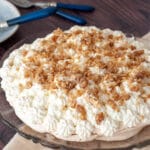
- The Winter Essential (Chestnuts): Chestnuts are a must at Christmas. You can serve the traditional Mont Blanc or a Chestnut Pavlova. They are practically the same dessert, just different sizes: a meringue base topped with chestnut spread and whipped cream. You can often buy them ready-made at the pasticceria, or they are incredibly easy to make at home by simply buying the meringues and chestnut puree separately and assembling them just before serving.
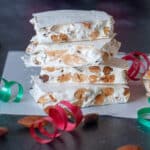
- The Boozy Touch (Vov & Chocolate Liqueur): If you make your own Nougat (Torrone), you will have leftover egg yolks. In my kitchen, these always become Vov (Italian Eggnog). It is delicious poured over a slice of Panettone or Pandoro. Alternatively, a rich homemade Chocolate Liqueur makes for a decadent topping.
- The Fried Honey Traditions: The most iconic Southern Christmas dessert is Struffoli-fried dough balls coated in honey and sprinkles. However, this concept takes many forms and names across Southern Italy: you might know them as Pignolata, Purcedduzzi, or Giggeri. Other variations include Nacatole or Pitta 'nchiusa. Since they are preserved in honey, they last for weeks.
- Cannoli (The Fresh Exception): If you want to serve Cannoli, remember one strict rule: the shells can be fried in advance, but they must be filled on the same day (ideally right before serving) to ensure they remain crunchy.
- Dried Fruits: Finally, no table is complete without dried fruits. The simplest and most delicious version is dried figs covered in cocoa powder or stuffed with almonds-a humble yet essential end to the feast.






Digesting the feast
After such a luxurious meal, it is no wonder that every fancy Italian dinner ends with a digestivo, ranging from the zesty Limoncello to the potent Grappa.
The proudest Italians always have their own homemade liqueurs to serve.
Here you can find a collection of homemade liqueur recipes you can prepare and give as an edible gift.
Whether it is the nutty Nocino, a rich Limoncello cream, or the classic Homemade Orange Liqueur Curacao , these recipes are a treasured legacy carried within families for generations.
However, these infusions usually require weeks of soaking to mature.
If it is too late to start infusing your own liqueur to gift for Christmas, you can still share this tradition.
I have compiled my family's generationally tested recipes into a Homemade Italian Liqueurs Ebook, complete with custom vintage labels.
You can print the Ebook and labels and offer them to your guests as a fun memory of the day, inviting them to start their own legacy when the time is right.
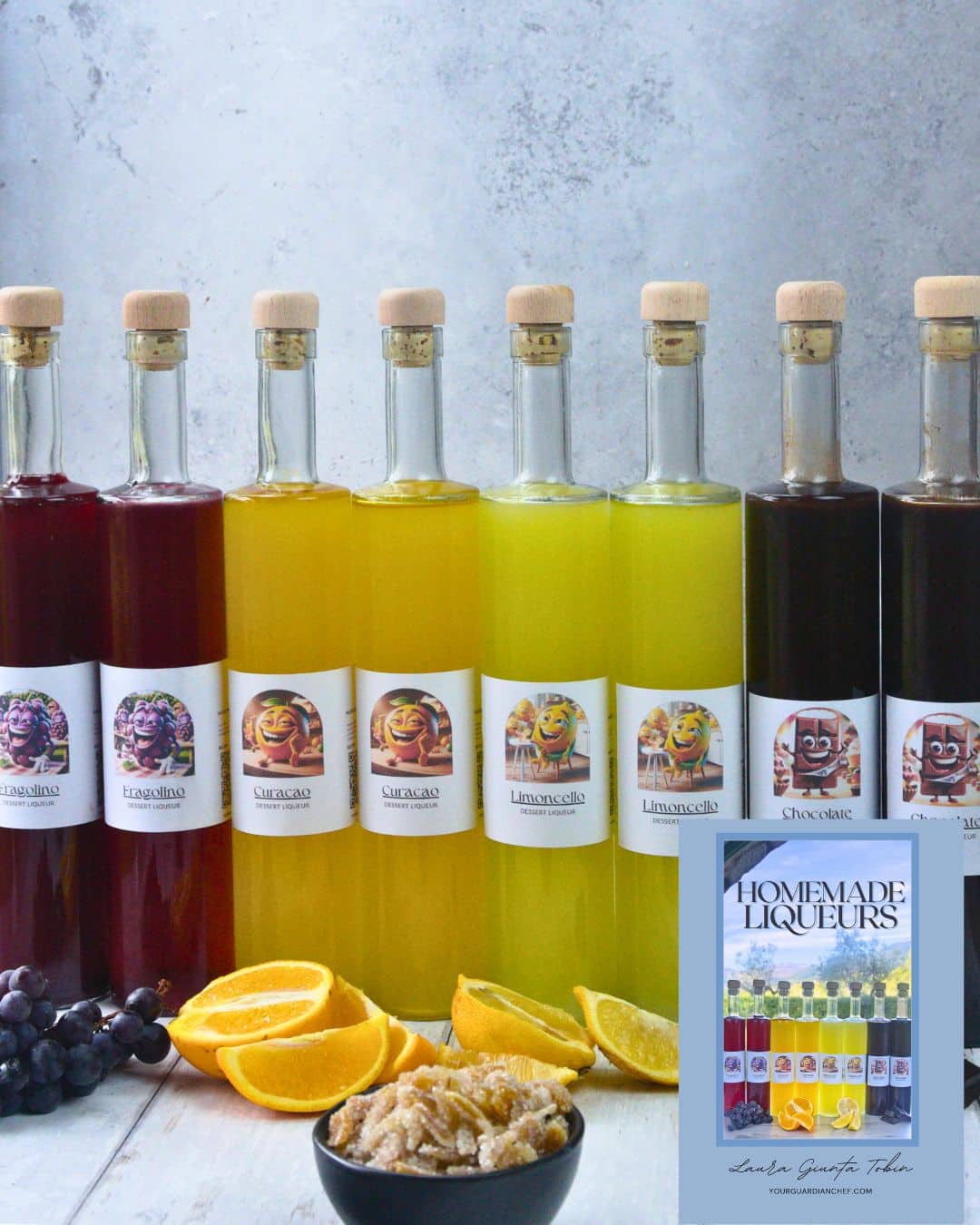
For a signature gift, add a professional label and a recipe book to print to your homemade liqueur.
- The Master's Collection Ebook: 11 recipes, including the "forbidden" Fragolino Wine - print it out and add it to the bottle to make the gift extra special.
- Professional Labels: Custom illustrations with Smart QR codes that link to the recipes, formatted for your region (USA, UK, Europe).
The complete bundle is $10.50. Choose your region:
Setting up an Italian dinner table
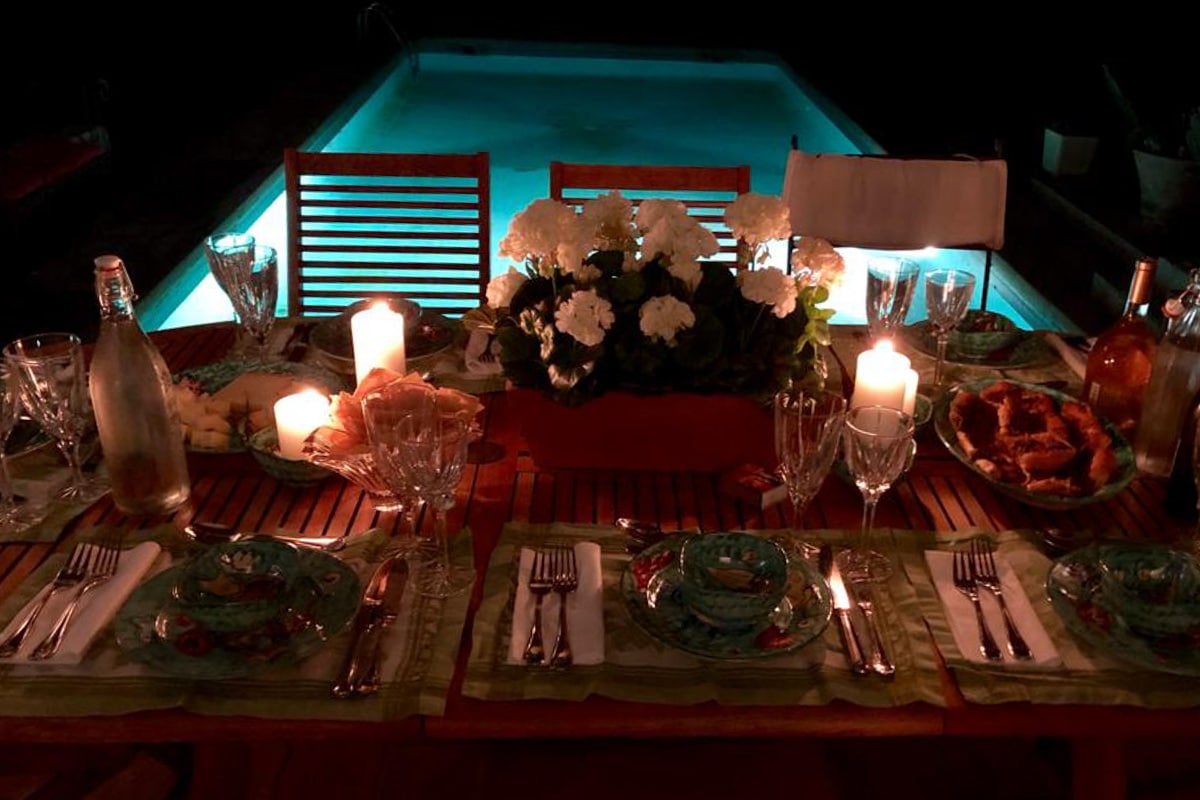
Once you have chosen your menu, it is time to set the stage. If you are planning an authentic Italian party, following the traditional table setting and etiquette is just as important as the food.
- Treat Yourself: I always use my nice dishes for La Vigilia. What better occasion to treat yourself and your family to a fancy table set?.
- Involve the Children: Children should be involved in the table setting so they can learn from an early age how to set the dinner table and how to eat properly. It is a great way to keep them occupied and make them feel part of the preparation.
- Etiquette: Fun fact: Did you know you are not supposed to say "Buon appetito" before dinner starts?.
To ensure the serving goes smoothly and to find out why we don't say that phrase, you can read the detailed guide: Italian Table Setting And Etiquette.
How are you celebrating your Christmas Eve?
If you are making any of the recipes above, leave your comment below I would like to hear from you. You can find more delicious ideas if you FOLLOW ME on Facebook, YouTube, Pinterest and Instagram or sign up to my newsletter.
Danielle Wolter
What a great collection of fish recipes! I'm not catholic, but I am all about eating fish for xmas dinner!
Laura
Yes, in the evening fish is so much lighter
Paula Montenegro
I hadn't heard of this feast, but the recipes sound amazing! I grew up Catholic but only heard about fish during Easter. LOVE this idea, thanks for sharing!
Laura
Yes, it is very Italian and therefore Italian-American
Demeter
Wow! So many amazing options to pick and choose from. Thank you pulling all of these wonderful recipes together.
Laura
I am glad you find it helpful, I would have them all at once
Kelly Anthony
What a great collection of Christmas Eve recipes. I love reading about traditions and how everyone spends their Christmas Eve.
Laura
Thank you, yes it is so nice to know about traditions
Heidy L. McCallum
Every recipe link looks amazing. I'm so happy to have come across this round-up! Great holiday recipes. We will be trying a few of these.
Laura
Thank you, I am glad you found some ideas
Noreen
We eat fish on Christmas Eve because of Mary’s labor.
Laura
Interesting, thank you for the comment